
Original briefings. Zero spin.
Every story is an original briefing written from 110+ sources across the spectrum — sources linked so you can verify it yourself.
 finance
Notable (6/10)
August 24, 2026 at 03:04 PM
finance
Notable (6/10)
August 24, 2026 at 03:04 PM
Thames Water Creditors Propose New Board to Fend Off Nationalisation
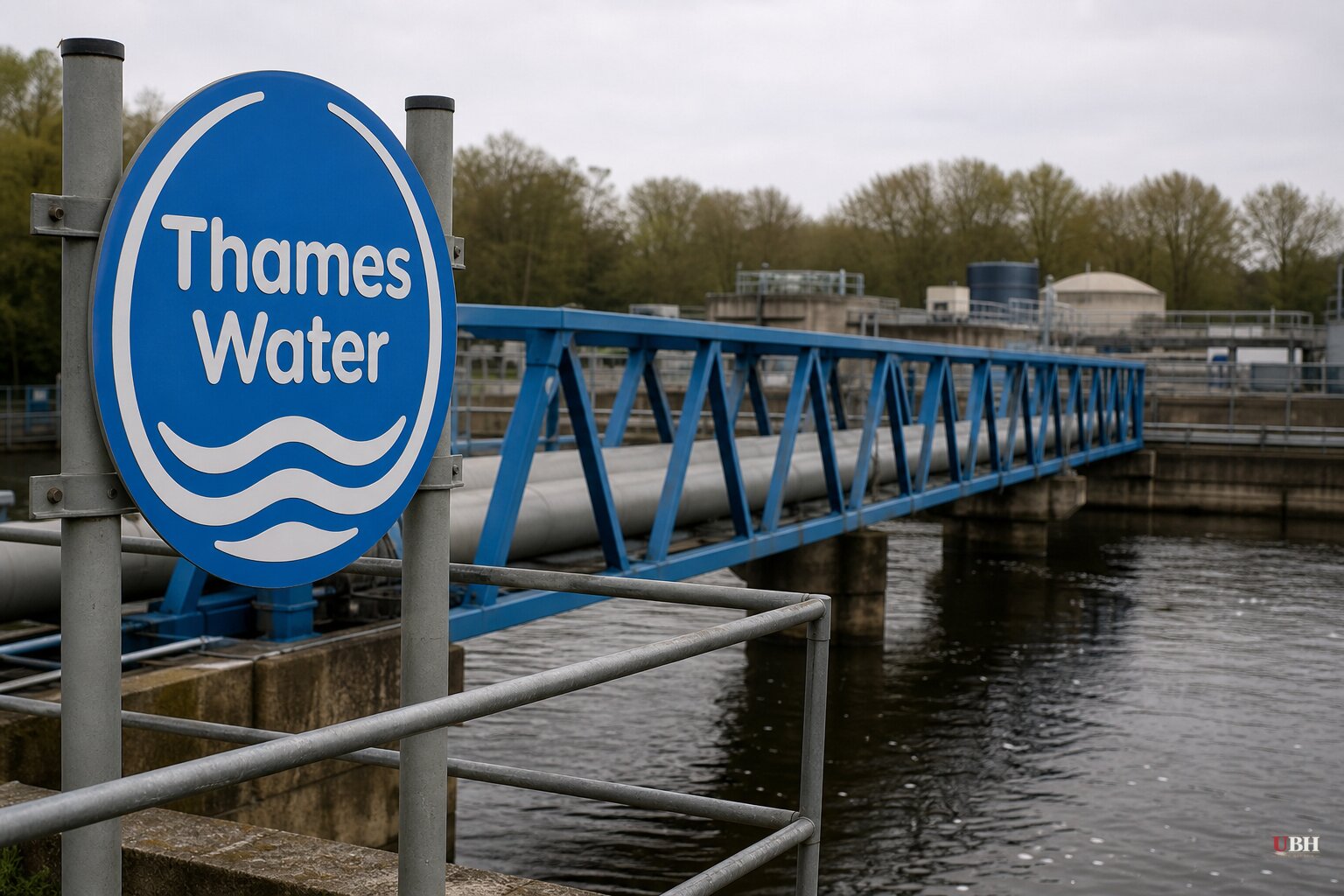
Thames Water's creditors want the government to know they're serious about cleaning house. Whether that's enough to save their rescue deal is another matter.
London & Valley Water (L&VW), a consortium of roughly 100 institutional investors holding £17 billion of Thames Water's £21 billion debt pile, has unveiled plans for four new board members. The proposed additions are Liz Barber, former chief executive of Yorkshire Water, Clive Selley, former chief executive of Openreach, and Dame Bernadette Kelly, former permanent secretary at the UK's Department for Transport, according to The Guardian and The Telegraph.
Mike McTighe, the turnaround specialist currently chairing Openreach, would take over as Thames Water's board chair, replacing Sir Adrian Montague, if the £10 billion recapitalisation plan gets approved, per multiple outlets including the Irish News and upday.
McTighe framed the move as a genuine reset. "If this recapitalisation plan is accepted, we will apply full dedication as a new board, working alongside the executive team to transform the business and build a culture in which the customers and local communities who depend on Thames Water come first," he said, according to the Guardian and the Telegraph.
Why This Is Happening Now
Thames Water serves about 16 million customers across London and the Thames Valley. It's carrying more than £20 billion in debt and has warned it could run out of cash as soon as October, according to the Telegraph and the Independent.
A previous rescue attempt involving US private equity firm KKR collapsed in May 2025. Since then, L&VW has been the last realistic private-sector option on the table, per the Irish News.
The stakes for L&VW are real. If the government instead places Thames Water into a special administration regime, a form of temporary nationalisation, the company itself estimates that could cost UK taxpayers roughly £2 billion, according to the Guardian and ua.news.
Labour First Minister Andy Burnham has pushed for a 10-year plan to bring the water industry back under public control, and has said he wants "greater public control" of Thames Water specifically, the Guardian reported. The Guardian also noted that the Prime Minister said he was "angry" after Thames Water and other utilities were recently allowed to raise bills further, warning companies they can't treat customers like a "blank cheque."
L&VW isn't just proposing new faces. The consortium has floated offering the government a "golden share" in the company, according to the Independent and Irish News, and says it's willing to forgo dividends for a decade while reinvesting profits, with an eventual goal of relisting Thames Water on the London Stock Exchange, potentially by 2030, according to upday.
The Pushback
Cat Hobbs, director of the public ownership campaign group We Own It, isn't buying it. She called the plan "absolutely absurd" and a "cosy stitch-up that has nothing to do with the interests of the 16 million people who depend on Thames Water," telling the Guardian it amounts to nothing more than "reshuffling of chairs on the deck of the Titanic."
Swapping out directors doesn't erase £21 billion in debt, and critics can reasonably ask whether new names on a letterhead change the financial structure that got Thames Water into trouble in the first place. Former environment secretary Emma Reynolds already sent creditors back to the drawing board once, warning in June that their original £10 billion plan didn't go far enough to protect customers or the environment, according to the Independent and Irish News.
On the other side, L&VW's defenders would point out that the creditors are the ones putting up new capital to keep the lights on and the water running, while a special administration regime shifts costs directly onto taxpayers. The consortium includes major investors like Apollo Global Management, Elliott Management, Farallon Capital Management, and Silver Point Capital, according to the Guardian and ua.news, all of whom have billions of pounds at risk and presumably some interest in actually fixing the company rather than just extracting value from it.
The Infrastructure Problem Doesn't Wait
Whatever happens in the boardroom, Thames Water's pipes are falling apart in real time. The Telegraph reported the company imposed a hosepipe ban on July 23 amid one of the driest summers on record, and is now dealing with more than 1,000 leaks a week as hardened, dry clay soil cracks aging pipes. There were 2,871 burst pipes at street level last month alone, nearly double the total from July of last year, per the Telegraph. The company says 95% of the water lost to leaks never becomes visible to the public.
L&VW is hoping to lock down approval from Ofwat, the water regulator, and the government this autumn, according to the Independent and Irish News. If that timeline slips much further, the October cash crunch the company itself has flagged could force the government's hand regardless of which board is running the show.
None of the reporting here suggests the government has made a final decision. Burnham has signaled a preference for public control, but past government statements favored a "market solution," and no formal move toward special administration has been announced. The government must decide whether Ofwat and ministers view a leadership overhaul as sufficient assurance, or whether they conclude the debt load itself is the problem no new board can fix.
Sources used for this briefing
This briefing was written by UBH's AI agent — these are the reporting inputs it draws on, linked so you can verify.


