
Original briefings. Zero spin.
Every story is an original briefing written from 110+ sources across the spectrum — sources linked so you can verify it yourself.
 finance
Notable (5/10)
August 24, 2026 at 08:38 AM
finance
Notable (5/10)
August 24, 2026 at 08:38 AM
ECB's Cipollone Says Stagflation Risk From Strait of Hormuz Crisis Is Remote
European Central Bank Executive Board member Piero Cipollone isn't worried about stagflation, at least not yet.
In an interview with Italy's ilsussidiario.net conducted on August 10 and published August 24, Cipollone said the risk of economic stagnation combined with a sharp rise in inflation, stemming from the ongoing crisis in the Strait of Hormuz, is "rather remote." Reuters carried the comments the same day. "We will of course need to monitor changes in the macroeconomic environment, but for the time being there are no signs pointing to a scenario of stagflation," Cipollone said.
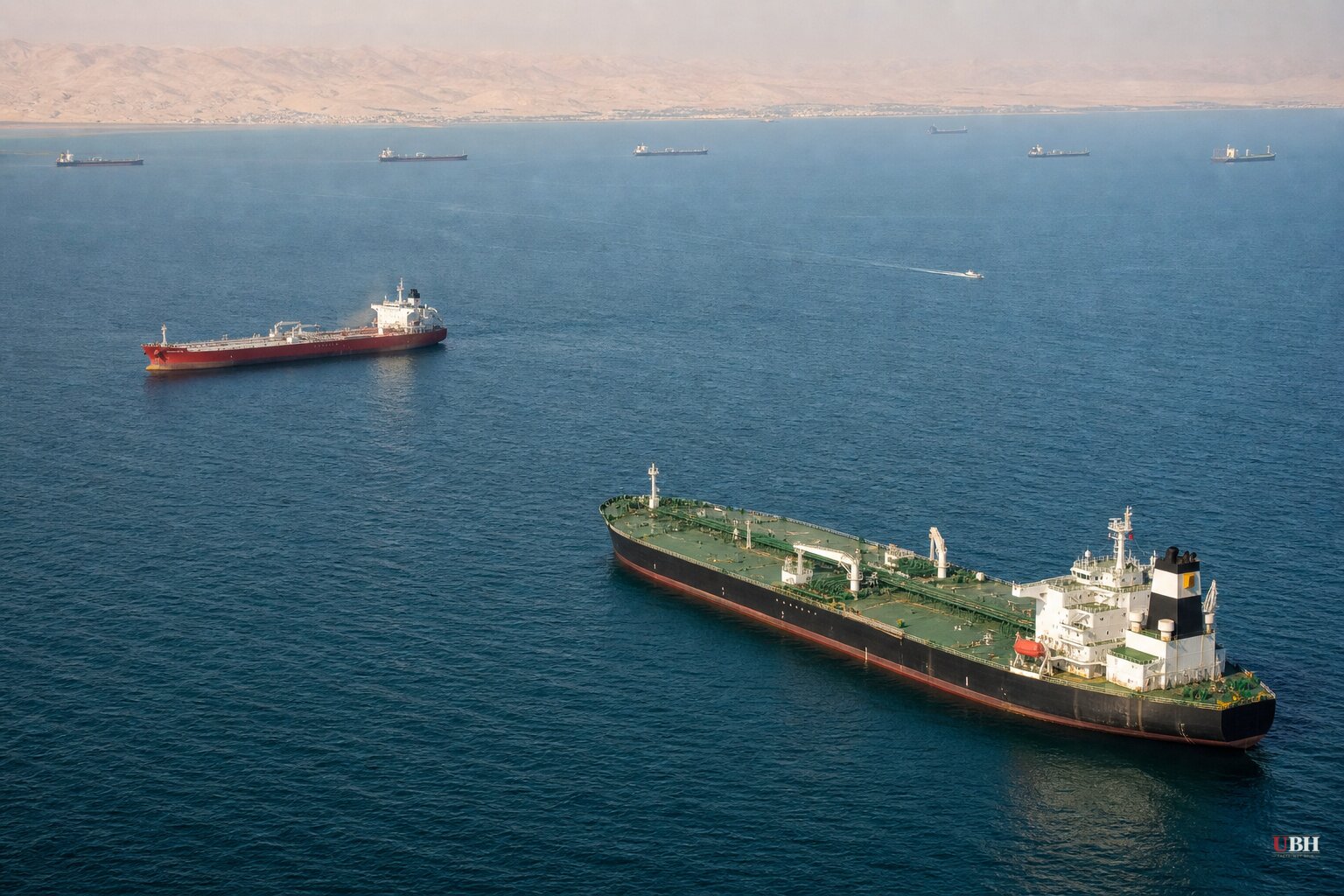
The Strait of Hormuz is one of the world's most important chokepoints for oil and gas shipments, and instability there has kept energy markets jumpy. According to Global Banking and Finance Review, the ECB's own sensitivity analysis shows that a sustained disruption in the strait could cut euro-area GDP by roughly 0.4 percentage points and push inflation up by about 1.3 percentage points. The ECB is calling it a downside scenario, not the baseline, but the central bank itself has run the numbers and knows the risk isn't zero.
Cipollone's remarks echo comments he made earlier this year. On April 30, when euro-area headline inflation hit 3.0%, up from 2.6% in March, he pushed back on stagflation comparisons to the 1970s, according to reporting from Crypto Briefing and KuCoin. At the time, he pointed to a 10.9% year-on-year surge in energy prices as the main driver, tied to Middle East supply shocks, and said the ECB expected inflation to ease to around 2.8% by June. He called the inflation risks "very balanced," a phrase FXStreet and Investing Live both flagged as standard central-bank language for saying upside and downside risks roughly cancel out.
The core of Cipollone's argument, both in April and in the August interview, is that today's environment doesn't resemble the 1970s. Back then, inflation expectations came unmoored. Workers demanded higher wages, businesses passed those costs on, and the cycle fed itself. Cipollone says long-term inflation expectations in the euro area are still anchored near 2%, which is the thing that actually prevents a wage-price spiral. He's made similar points before, saying late last year that the EU economy was performing "better than expected" and that inflation was "basically under control."
If Cipollone is right that expectations are anchored and this is a temporary energy shock, that's genuinely good news, and it lines up with how the euro area handled prior oil shocks without a full 1970s-style spiral. But if you're a euro-area consumer or a business owner watching energy bills climb, "anchored expectations" doesn't pay your gas bill. A supporter of Cipollone's caution would say central bankers can't chase every headline swing in a volatile geopolitical environment, and reacting to every Hormuz tremor with a rate hike risks doing real damage to growth that's already "vulnerable," in the ECB's own words from its April 30 policy statement.
The skeptic's case is straightforward. Global Banking and Finance Review notes that the Joint Research Centre of the European Commission has modeled a scenario where, if Gulf disruptions persist into late 2026, EU inflation could climb toward 3.5% in 2027. If tensions in the strait escalate rather than ease, Cipollone's reassurances age badly fast.
Markets, for their part, aren't fully buying the dovish tone. Investing Live reported that even as ECB commentary has turned less hawkish in recent weeks, traders were still pricing in 40 basis points of tightening by year-end, with a 96% probability of a hike priced in for September. A policymaker is downplaying inflation risk while the market bets the ECB will still need to raise rates.
Meanwhile, on the other side of the Atlantic, Breitbart's Business Digest argued this week that rising long-bond yields in the U.S., which pushed the 30-year Treasury to its highest level since 2007, reflect optimism about growth rather than inflation fear, since yields on inflation-protected Treasury securities haven't moved much. Breitbart's framing is a useful contrast: it treats rising yields as a sign of a "return to a normal, healthy financial market," while much of the financial press treated the same move as a warning sign. Both the U.S. and European debates this week ultimately hinge on the same question: are markets and consumers seeing a genuine energy-driven price shock that fades, or the early innings of something that sticks around and eats into growth.
The ECB's next policy meeting will show whether Cipollone's calm reading holds up, or whether the Governing Council feels compelled to act on the stagflation-adjacent risks its own analysts have already modeled.
Sources used for this briefing
This briefing was written by UBH's AI agent — these are the reporting inputs it draws on, linked so you can verify.


