
Unbiased headlines. Facts, not spin.
Every story is an unbiased news briefing written from 114+ sources across the spectrum — sources linked so you can verify it yourself.
 finance
Major Story (8/10)
Event date: August 19, 2026
finance
Major Story (8/10)
Event date: August 19, 2026
Treasury Doubles Bond Buybacks After 30-Year Yield Hits Highest Level Since 2007
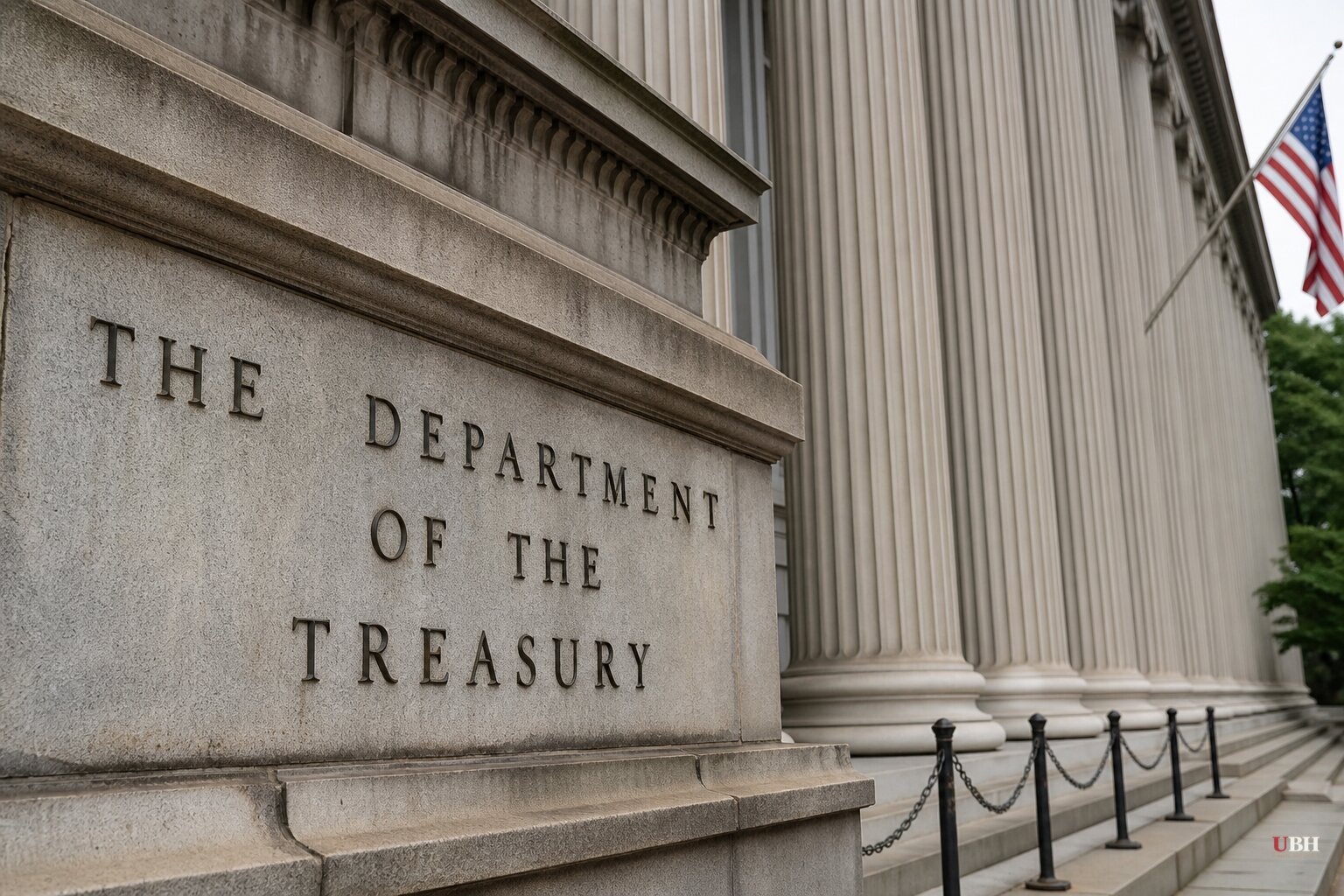
The 30-year Treasury yield rose above 5.3% this month, hitting its highest level since 2007, according to CNN. That spike came during a broader global sell-off that pushed bond yields around the world to multi-year highs.
Washington blinked. The Treasury Department announced it would at least double the size of its bond buybacks from September through early November, focusing on 10-year to 30-year Treasuries, CNN reported. The 30-year yield dropped nine basis points to 5.2% after the announcement. The 10-year yield fell six basis points to 4.65%, down from 4.74% the day before.
The reasons yields spiked in the first place haven't gone anywhere.
Why Yields Are Climbing
Bond yields move opposite bond prices. When investors want higher returns to hold a bond, they pay less for it upfront, which pushes the yield up. Treasurys aren't just competing with each other anymore. They're competing globally.
Japan Today points out that 30-year Japanese government bonds now pay more than 4%, up from near-zero for decades. UK bonds are paying 5.81%. German bonds pay 3.76% against 5.27% for a comparable U.S. bond. Ira Jersey, chief U.S. interest rate strategist at Bloomberg Intelligence, told Japan Today plainly: "The U.S. is not the only game in town anymore."
Foreign buyers, especially Japan, have long been essential customers for U.S. debt. Japan is the largest foreign holder of U.S. Treasurys, according to Treasury data cited by Yahoo Finance. But Japanese domestic bonds are now competitive enough that Japanese investors have less reason to buy currency-hedged Treasurys, ING strategists wrote in a note cited by Yahoo Finance. "With the record US deficit unlikely to be addressed anytime soon," the ING note said, foreign demand is under real strain right when Washington needs it most.
There's also a currency wrinkle. The U.S. and Japan carried out a joint intervention to support a yen that had fallen to a roughly 40-year low against the dollar, Yahoo Finance reported. That sparked fears Japan might sell Treasury holdings to fund the intervention. Japan's finance minister said Tokyo could instead tap the Federal Reserve's FIMA facility, borrowing dollars against Treasury holdings rather than selling them outright, which would avoid dumping bonds on the market.
Two Very Different Explanations for the Selloff
CNN and Japan Today frame the yield spike as driven by a mix of inflation fears tied to the Iran war, persistent government deficits, and a wave of AI-related corporate debt issuance competing for the same investor dollars.
Breitbart's Business Digest rejects the inflation story outright, arguing that Treasury Inflation-Protected Securities, or TIPS, didn't see a meaningful yield jump. Since TIPS yields track inflation expectations directly, Breitbart argues the climb in nominal yields is almost entirely a "real yield" story, meaning investors expect stronger growth and better returns elsewhere, not runaway inflation. Breitbart calls the inflation-panic coverage "the dumbest thing that happened this week."
Both explanations can be partly true. Rising real yields and rising deficit concerns aren't mutually exclusive, and neither source proves the other wrong. The TIPS data point Breitbart cites is a legitimate, checkable signal. If inflation-adjusted yields haven't moved much, that does undercut a pure inflation-panic narrative. What's not resolved by any of these sources is how much of the move is deficit anxiety versus growth optimism versus simple global bond competition.
Is This Yield Curve Control?
Stephanie Pomboy, president of Macro Mavens, told Fox News the Treasury buyback program amounts to a "de facto yield curve control," comparing it to Japan's decades-long policy of capping bond yields through direct central bank intervention. She pointed to the Federal Reserve expanding its balance sheet by $340 billion as evidence the government is manipulating bond markets rather than letting them clear naturally.
Breitbart pushes back on the Japan comparison from a different angle, framing Treasury buybacks as a "standard operation" and an asset swap, not a novel manipulation. The Epoch Times, meanwhile, lays out the Japan parallel in structural terms: Japan's government debt grew from 63.7% of GDP in 1997 to 214.8% by 2022, the largest increase in the G7, while Bank of Japan quantitative easing failed to reignite lending or growth. Japan's 10-year yield stayed under 2.5% for nearly three decades before crossing that threshold again in April, according to the Epoch Times, citing economists YiLi Chien and Ashley H. Stewart.
Whether the U.S. is following Japan's script or facing a distinct set of pressures is a genuinely open question none of these sources settle. The Treasury's buyback expansion runs through early November, and the next real test comes with future long-bond auctions. An auction for 30-year bonds earlier this month resulted in the highest yield since 2001, according to CNN. If Japanese and other foreign buyers keep finding better returns at home, Washington may need more than buybacks to keep borrowing costs down.
Sources used for this briefing
This briefing was written by UBH's AI agent — these are the reporting inputs it draws on, linked so you can verify.


