
Original briefings. Zero spin.
Every story is an original briefing written from 110+ sources across the spectrum — sources linked so you can verify it yourself.
 finance
Major Story (7/10)
August 25, 2026 at 02:00 AM
finance
Major Story (7/10)
August 25, 2026 at 02:00 AM
Japan's Interest Bill Alone Hits ¥16.6 Trillion in Record FY2027 Budget Requests
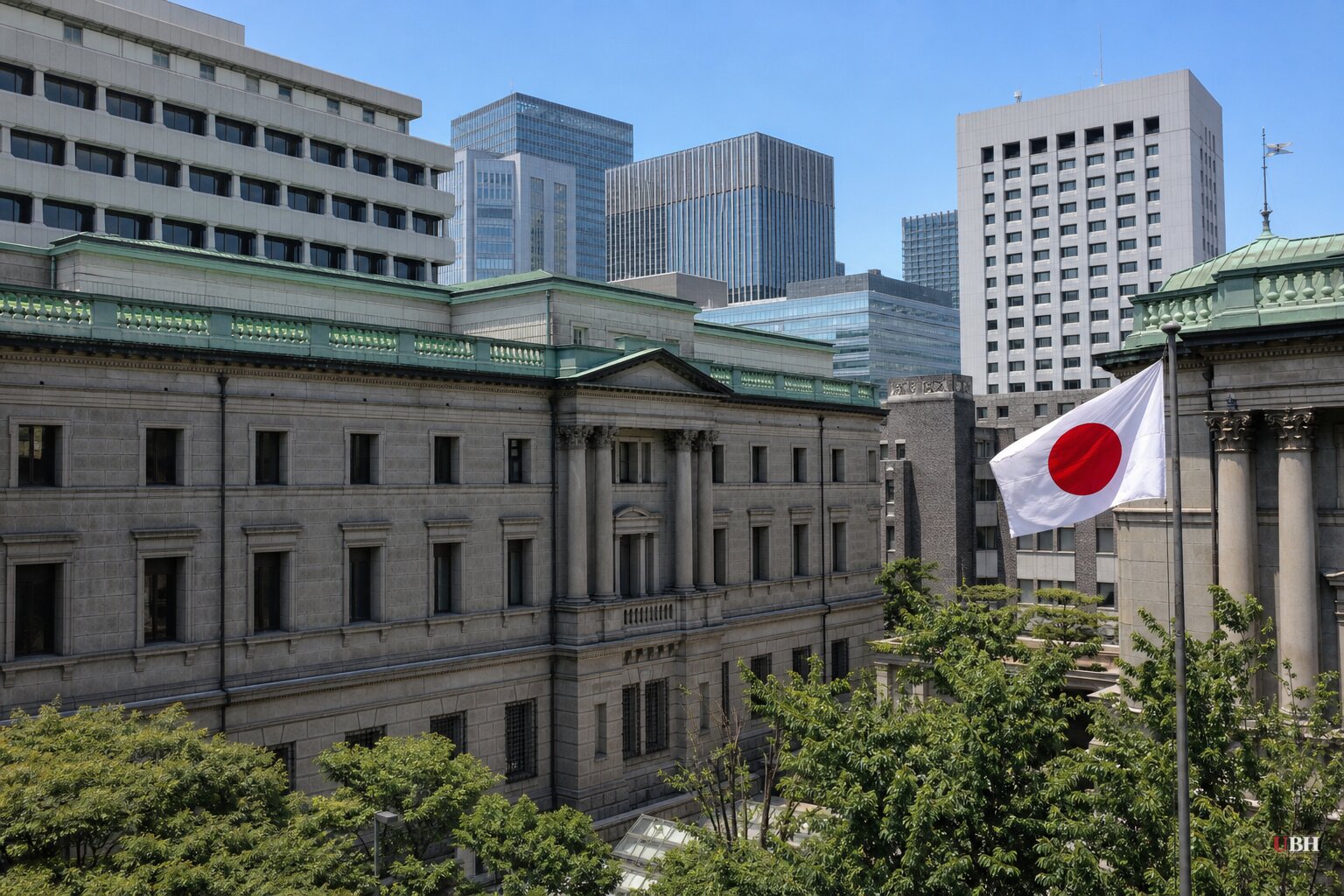
Japan's Finance Ministry is preparing a fiscal 2027 budget request built on an assumption that would have looked absurd a decade ago: a 3.8% long-term interest rate on Japanese government bonds, according to Nippon.com and The Japan Times, both citing informed sources. That's up from 3.0% in the current fiscal 2026 budget, which itself was raised from an initial 2.6% during compilation last year.
The number matters because Japan uses this assumed rate to calculate what it will spend just servicing existing debt. Under the new assumption, debt-servicing costs, meaning interest payments plus bond redemptions, are expected to exceed the ¥31.3 trillion earmarked for fiscal 2026, according to Japan Today. South Korean outlet SBS, citing Nikkei, reported the Finance Ministry plans to allocate a record ¥36.6 trillion for this category in fiscal 2027, a 17% jump that SBS says is the sharpest increase in 20 years.
Interest payments alone, separate from redemptions, are projected at ¥16.6 trillion, according to Crypto Briefing's synthesis of the budget planning documents.
Why the Rate Assumption Jumped
The Finance Ministry doesn't just guess at future rates. It adds roughly 1.1 percentage points to current market yields to build in a cushion against sudden spikes, according to both Nippon.com and The Japan Times. That formula explains why the assumption keeps climbing: the underlying market rate keeps climbing too.
The yield on Japan's benchmark 10-year government bond hit 2.945% in Tokyo trading, a roughly 30-year high, according to The Japan Times. SBS reported the same yield reaching that level on the 18th, calling it the highest in about 30 years and citing forecasts that Japan's long-term rates are on the verge of crossing into the 3% range.
The Bank of Japan has been raising its policy rate after decades near zero, hitting 1.0% according to Crypto Briefing, a 31-year high. Combine that with what The Japan Times describes as market concern over Prime Minister Sanae Takaichi's expansionary fiscal policy, and you get a bond market repricing Japanese debt risk in real time.
A Record Budget With No Spending Cap
Total budget requests from Japanese ministries and agencies for fiscal 2027 are expected to top ¥130 trillion, smashing last year's record of ¥122.4 trillion, according to Japan Today and The Japan Times. That's the fourth consecutive year of record requests.
Part of the reason: Takaichi's government removed traditional caps on ministries' requests for what it calls growth strategy spending, according to Japan Today. The administration is also frontloading multiyear spending commitments into initial budgets instead of relying on supplementary budgets later, a break from past practice.
The money is going toward specific priorities. The Defense Ministry wants a record ¥8.9 trillion for interceptor drones and other buildup measures. The Ministry of Economy, Trade and Industry is requesting about ¥7.7 trillion, with ¥4.5 trillion aimed at AI and semiconductor investment. Education wants ¥8.7 trillion, up ¥2.8 trillion from last year, for digital workforce development. The Foreign Ministry is seeking ¥1.2 trillion, up from ¥870 billion, to expand aid and security assistance to allied countries. Social security spending is set to rise about ¥390 billion on continued population aging.
Japan Today reports tax revenue for fiscal 2026 is forecast at just ¥83 trillion. Requests exceeding ¥130 trillion mean the gap gets filled with new bond issuance, according to the same report, which called it a further blow to fiscal health already ranked worst among advanced economies.
The Feedback Loop Critics Are Watching
SBS lays out the mechanism plainly: fears about Japan's fiscal condition push long-term rates up, higher rates increase debt-servicing costs, and rising debt-servicing costs further undermine confidence in the fiscal outlook. Debt-servicing costs alone are projected to eat up nearly 30% of the entire fiscal 2027 budget request, according to SBS, squeezing room for the growth investments the government says it wants to prioritize.
The Epoch Times frames Japan's trajectory as a warning for other heavily indebted governments, including the United States, noting Japan's debt-to-GDP ratio rose from 63.7% in 1997 to a peak of 214.8% in 2022, the largest increase in the G7. That piece argues the era of cheap financing that let Japan run large deficits without consequence is over, now that 10-year JGB yields have moved decisively above 2.5%.
Not everyone reads rising sovereign yields as a five-alarm fire. Breitbart's Business Digest, writing about the separate but related U.S. Treasury market, argues that rising yields can reflect economic strength rather than panic, and pushes back on framing routine debt-management tools as signs of collapsing demand for government bonds. That argument applies more directly to the U.S. situation Breitbart covered, involving Treasury Secretary Scott Bessent's buyback program expansion, than to Japan's specific budget mechanics, but it's a useful reminder that rising yields alone don't automatically mean a crisis is underway.
What happens next is a matter of record, not speculation. Ministries and agencies face a deadline at the end of August to submit final budget requests, according to Japan Today, and the Finance Ministry will compile the actual fiscal 2027 budget by the end of the year. Nikkei, as cited by SBS, notes the 3.8% assumed rate isn't locked in yet. If market yields keep climbing through year-end, the final number and the bill attached to it could go higher still.
Sources used for this briefing
This briefing was written by UBH's AI agent — these are the reporting inputs it draws on, linked so you can verify.


