
Unbiased headlines. Facts, not spin.
Unbiased Headlines is an independently owned news organization. We bring you the facts, not opinions, written fresh from 110+ named sources. Sources linked so you can verify it yourself.
 health
Notable (6/10)
health
Notable (6/10)
Small Trial Finds Experimental Shigella Vaccine 89% Effective, Researchers Report in The Lancet
Diarrheal disease has made domestic headlines this summer, with a Cyclospora outbreak tied to tainted lettuce sickening thousands of Americans and killing two people in Michigan, according to prior reporting. But globally, a different pathogen does far more damage every single year, and a small new study suggests science may finally have an answer for it.
Shigella bacteria cause more than 1 million diarrheal deaths worldwide annually, and nearly half of those who die are children under age 5, according to NPR. Chad has the worst rate on record: roughly 1 in 140 children there die from the illness before their fifth birthday.
Researchers at Cincinnati Children's Hospital Medical Center and Emory University's Hope Clinic in Atlanta ran a joint trial of a vaccine candidate called WRSs2, named for the Walter Reed Army Institute of Research, which helped develop it. The results were published this summer in The Lancet Infectious Diseases.
How the trial worked
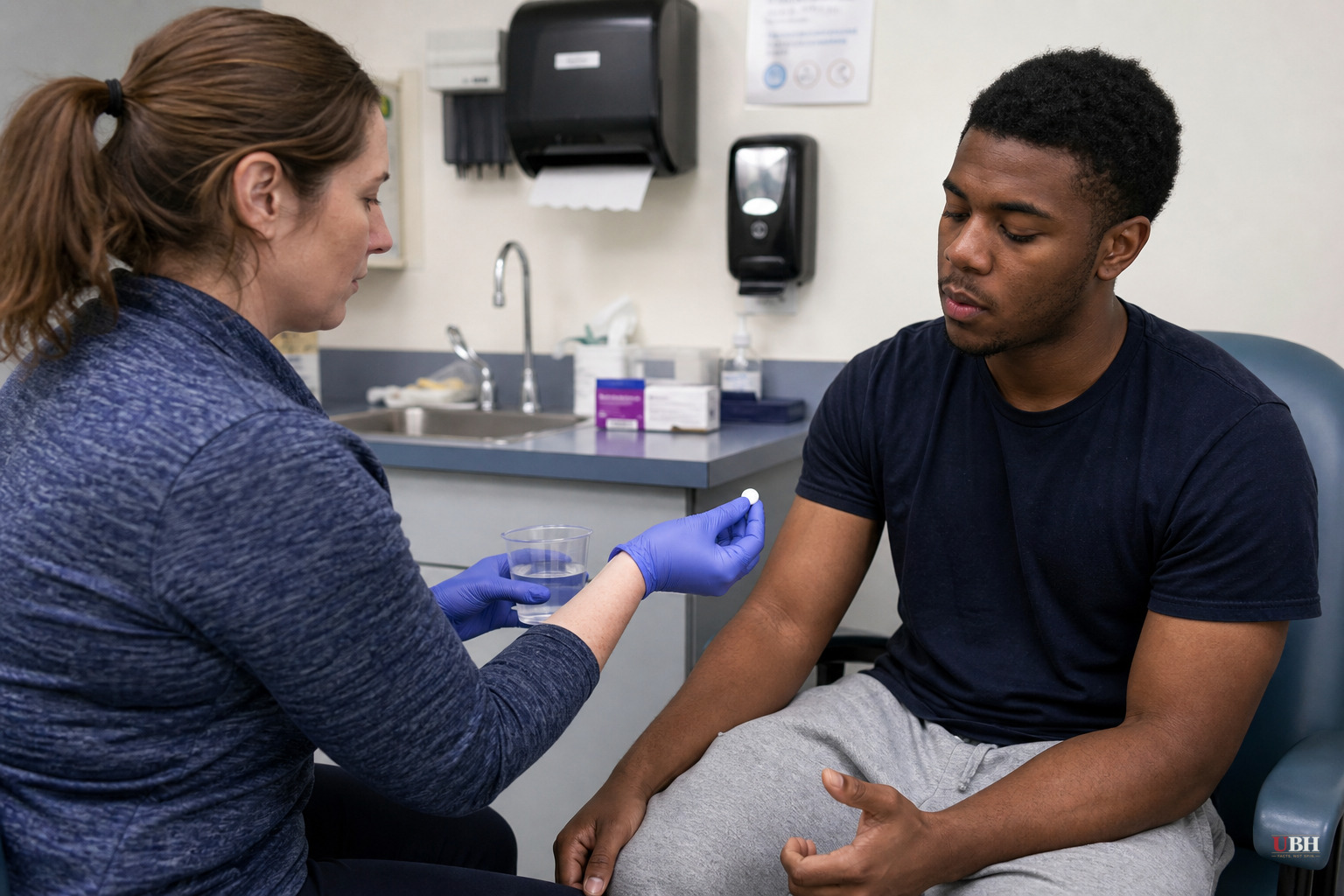
The study enrolled 108 adult volunteers. Half got the vaccine, a weakened strain of shigella bacteria suspended in a liquid, taken in two doses about a month apart. The other half got salt water as a placebo.
This wasn't a passive wait-and-see study. It was a deliberate human challenge trial: after vaccination, participants were intentionally exposed to live shigella bacteria to test whether the vaccine actually worked.
Dr. Robert Frenck, a professor of pediatrics at Cincinnati Children's and director of its Center for Vaccine Research, co-led the trial. He told NPR the weakened bacteria in the vaccine is strong enough to trigger an immune response without making volunteers seriously ill.
The results were stark. In the placebo group, 81% of volunteers got sick, some developing diarrhea and fever before being treated with antibiotics. Among those who got the actual vaccine, illness was blocked in 89% of cases.
Why researchers are calling this a big deal
Dr. Kawsar Talaat, an infectious disease physician and vaccine scientist at the Johns Hopkins Bloomberg School of Public Health who was not involved in the trial, called the design "rigorous" and said that toughens the credibility of the 89% figure even with a relatively small sample size.
"So the fact that the vaccine prevented almost 90% of the illness is really remarkable," Talaat told NPR. "It's the best efficacy we've ever seen."
Talaat is an outside expert who runs her own vaccine studies and has no stake in this particular trial's outcome. Human challenge trials are a faster, more efficient way to test efficacy than waiting for thousands of people to naturally encounter the bacteria in the field, which is the traditional trial model.
Frenck noted volunteers were paid roughly $250 a day for about a week and had to pass a quiz confirming they understood the risks before enrolling. That's standard practice for challenge trials, which intentionally infect healthy adults with a pathogen and therefore carry real risk and require informed consent.
What the trial doesn't tell us yet
A 108-person adult trial in a controlled setting is not the same as a vaccine deployed to children in Chad, Bangladesh, or other high-burden countries where shigella actually kills. Children under 5 are the primary victims of shigellosis worldwide, but this trial tested adults.
Efficacy in healthy adult volunteers under deliberate, monitored exposure doesn't automatically translate to efficacy or safety in malnourished infants and toddlers in low-resource settings, where the disease burden is worst. Pediatric trials, larger sample sizes, and field studies in endemic regions would be the next necessary steps before any vaccine reaches the populations that need it most.
NPR's coverage frames the story partly around the "poo taboo," the idea that diarrheal disease gets less public health attention and funding because people are squeamish discussing it. Shigella and diarrheal disease broadly have long been on the radar of organizations like the World Health Organization and the Gates Foundation, which have funded vaccine research in this space for years. The taboo framing shouldn't obscure that real institutional money and effort have already gone into this problem, even if outcomes have lagged.
What comes next
No regulatory body has approved WRSs2 for use, and no timeline for larger trials or licensure has been announced in the available reporting. The vaccine remains an experimental candidate at the human challenge trial stage.
The next logical question is whether the Walter Reed Army Institute of Research, Cincinnati Children's, or Emory's Hope Clinic will pursue larger-scale trials, particularly in children in high-burden countries like Chad, where the actual mortality crisis lives. Until that happens, an 89% efficacy number in 108 healthy American adults is a genuinely promising data point, not a solved problem.
Sources used for this briefing
1 link from 1 independent newsroom (syndicated copies of the same report count once)
These are the sources it draws on, linked so you can verify.


