
Original briefings. Zero spin.
Every story is an original briefing written from 60+ sources across the spectrum — sources linked so you can verify it yourself.
 health
Notable (5/10)
August 8, 2026 at 12:45 AM
health
Notable (5/10)
August 8, 2026 at 12:45 AM
Senate Confirms Mark Cruz to Lead Indian Health Service After 18-Month Vacancy
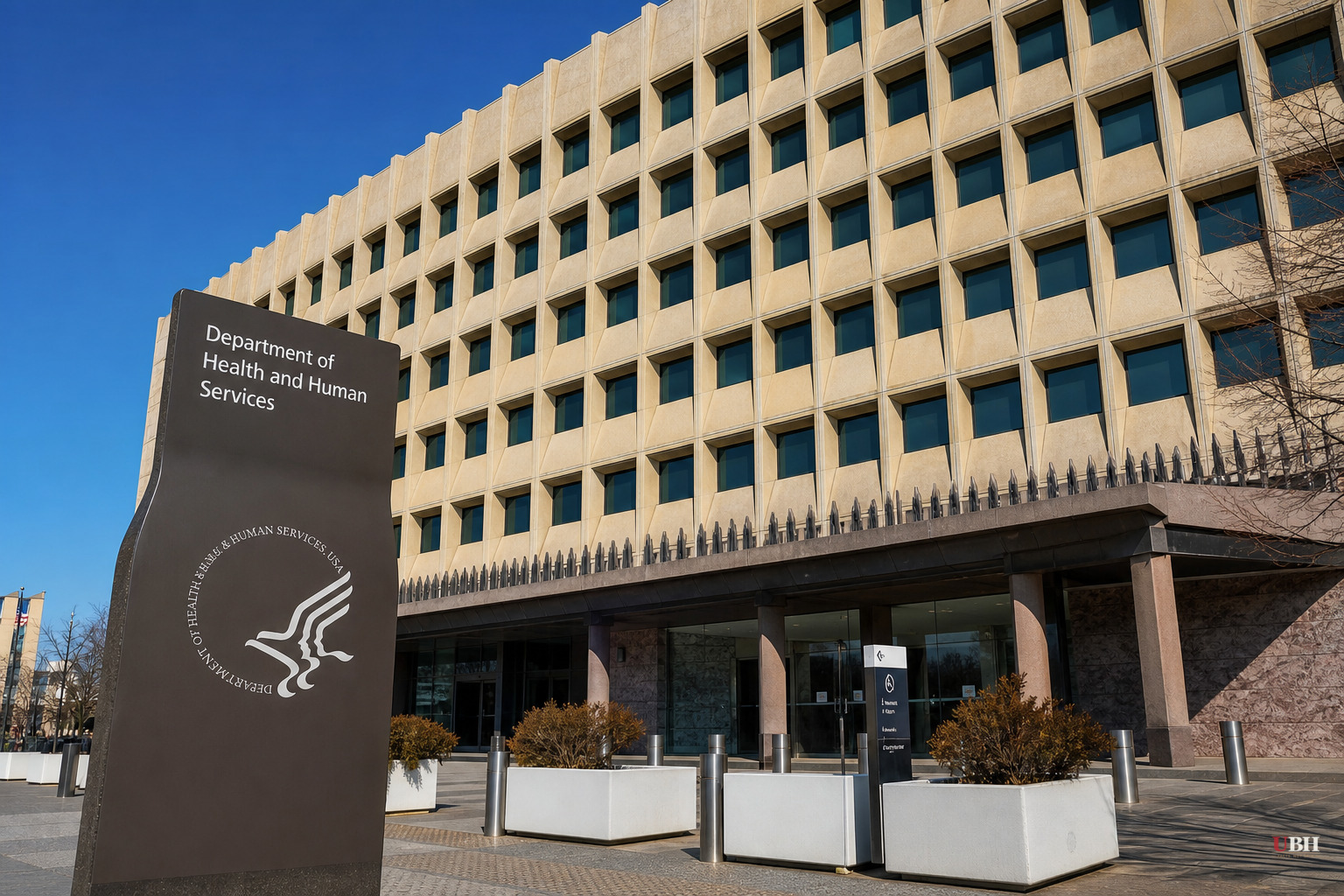
The Senate confirmed Mark Cruz as director of the Indian Health Service on a 51-47 vote, according to Native News Online. The vote fell along party lines and made him the agency's 12th Senate-confirmed director.
Cruz is a citizen of the Klamath Tribes and previously worked as senior advisor for Native Affairs to Health and Human Services Secretary Robert F. Kennedy Jr., according to ICT News. President Trump nominated him June 1, and he testified before the Senate Committee on Indian Affairs on June 24.
The job had been empty of permanent leadership since Roselyn Tso, a Navajo IHS director appointed under President Biden, resigned January 17, 2025, according to ICT News. Two acting directors, Benjamin Smith and Clayton Fulton, held the role in the interim. That's an 18-month gap in permanent leadership at an agency responsible for health care for roughly 2.8 million American Indians and Alaska Natives from 575 federally recognized tribes.
Who Cruz is
Cruz holds a bachelor's degree in political science from Pepperdine University and a master's in urban education policy from Brown University, according to both Native News Online and ICT News. He worked in the Interior Department during Trump's first term on tribal issues, then returned to Oregon after the 2020 election to serve as chief of staff to Republican House leaders Christine Drazan and later Vikki Breese-Iverson, according to OPB.
His time in Salem included the state's longest-ever Republican walkout of the Capitol and fights over redistricting, OPB reported. Cruz left state government to become a lobbyist in 2023 before joining Kennedy's team last year.
He's also worked for Republican Reps. Todd Rokita of Indiana and Tom Cole of Oklahoma, a citizen of the Chickasaw Nation, according to ICT News.
What he says he'll do
Cruz told the Indian Affairs Committee in June that his priorities include advance appropriations for IHS, cutting the agency's staff vacancy rate, modernizing electronic health records, and improving the purchased/referred care system that lets patients get treatment outside IHS facilities when needed, according to ICT News.
"I firmly believe that tribal consultation is a process, not an event," Cruz testified, according to ICT News. "Tribal leaders and Congress can count on me to engage early, listen carefully, and be transparent. I am realistic about the challenges but optimistic about what we can achieve together."
He also tied his agenda directly to the administration's budget request, telling the committee, "My vision for the Indian Health Service aligns with the President's Fiscal Year 2027 Budget Request."
Tribal leaders and national Native organizations pushed the Senate to confirm Cruz quickly, citing the need for stable leadership, according to Native News Online. But the same IHS budget picture Cruz says he supports comes amid what Native News Online describes as "mounting fiscal uncertainty" for the agency. IHS already runs on chronic underfunding relative to need. Whether the FY2027 request actually protects or cuts tribal health funding isn't something these sources spell out in dollar terms, and that's a real open question Congress will have to settle when it takes up the budget.
The bigger picture
Cruz's confirmation was one of 74 Trump nominations the Senate pushed through Friday before leaving Washington and returning in September, according to ICT News. That means IHS leadership was bundled into a broader batch confirmation rather than considered as a standalone priority, though the outcome is the same either way: the agency now has a permanent, Senate-confirmed director for the first time in a year and a half.
Cruz isn't the only Oregonian Trump has tapped for a role in this administration. OPB notes he's one of at least four, alongside former Rep. Lori Chavez-DeRemer, who resigned as labor secretary in April after what OPB called "a checkered year," and George Glass, the sitting ambassador to Japan. Chavez-DeRemer's departure also sank a separate nomination for former Oregon Senate Minority Leader Daniel Bonham, whose bid for assistant labor secretary Trump withdrew shortly after.
Cruz now begins a four-year term. The immediate test will be whether he can move the needle on IHS's workforce vacancy rate and aging facilities, both problems that predate this administration and that no single confirmation vote solves by itself.
Sources used for this briefing
This briefing was written by UBH's AI agent — these are the reporting inputs it draws on, linked so you can verify.

