
Original briefings. Zero spin.
Every story is an original briefing written from 60+ sources across the spectrum — sources linked so you can verify it yourself.
 health
Major Story (7/10)
August 7, 2026 at 10:13 PM
health
Major Story (7/10)
August 7, 2026 at 10:13 PM
Flesh-Eating Screwworm Cases in Mexico Top 2,300 as Parasite Spreads North
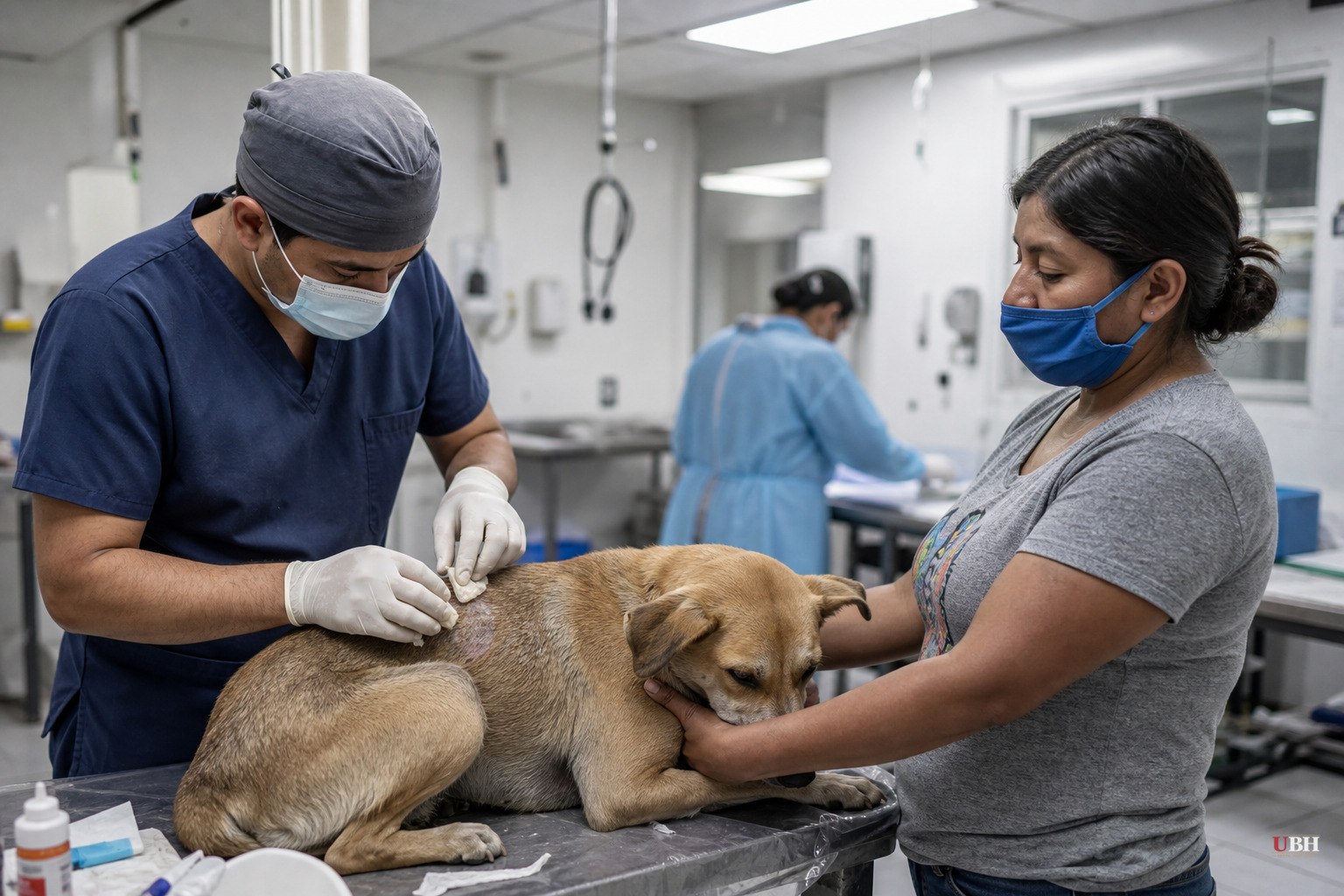
A screwworm outbreak that eradication programs wiped out of Mexico more than two decades ago is now spreading north, and it's landing on people, not just cattle.
According to a study published this week in the journal Emerging Infectious Diseases, researchers identified 204 confirmed human cases of New World screwworm myiasis in Mexico between April 2025 and March 2026. Six patients died. Investigators concluded at least one death was directly caused by the maggot infestation, according to Ars Technica's reporting on the study.
The New World screwworm fly lays its eggs in open wounds and orifices of warm-blooded animals, including people. The eggs hatch within a day, and the resulting maggots spend five to seven days eating living flesh, not dead tissue, according to myvetcandy. Left untreated, the wounds can chew through muscle, cartilage, and bone.
How bad, how fast
The pace is accelerating. Researchers found the case rate in 2025 ran about three confirmed cases per week. In just the first ten weeks of 2026, that jumped to more than nine cases a week, according to both Ars Technica and myvetcandy, which cited the same underlying study.
By March 2026, confirmed human cases had spread across 12 Mexican states, with the heaviest concentration in Chiapas in the south, myvetcandy reported. Modeling cited in that same coverage estimates the screwworm population could be moving north at roughly 1.2 to 1.9 kilometers a day.
The CDC's most recent public update, dated August 4, 2026, puts the regional toll higher: more than 189,000 animal cases and 2,360 human cases combined across Mexico and Central America since the outbreak began. That's a broader count than the 204-case academic study, which focused specifically on the 12-month window from April 2025 to March 2026 and required sufficient case data for inclusion.
Who's getting hit
This isn't randomly distributed. The study found 72 percent of confirmed patients were men, with a mean age of 61. Seventy-seven percent had at least one underlying health condition, most commonly diabetes, alcoholism, hypertension, cancer, or chronic skin ulcers, according to myvetcandy. Fifty-five percent of infestations were on the lower limbs, which makes sense given that chronic leg and foot ulcers give female flies an easy target to lay eggs in.
People with open, poorly healing wounds and no easy access to wound care are the ones paying the price. That's a public health infrastructure problem as much as an entomology problem.
Where the US stands
The CDC says the risk to the American public remains very low. On June 3, 2026, USDA confirmed the first US animal case of this outbreak, and as of July 31, 2026, USDA's Animal and Plant Health Inspection Service had logged 37 domestically acquired animal cases, concentrated in Texas and New Mexico screwworm zones.
There have been zero locally acquired human infestations in the US. The one American human case on record was travel-related, a person who returned from El Salvador in August 2025 and was diagnosed after the fact, according to the CDC.
The eradication program that worked, until it didn't
Mexico declared the screwworm eradicated in 2003. Panama followed in 2006 and maintained a biological barrier at the Darién Gap using sterile male fly releases, a technique that works because female screwworm flies mate only once in their lives. That barrier held for 16 years.
It broke in 2022. Mexico started seeing animal cases again in 2024. Since then, more than 36,000 animal cases have been logged in Mexico alone, with nearly 2,000 still active as of August 5, according to USDA figures cited by Ars Technica.
Ranchers and border-state officials have argued for months that Washington was too slow to respond once the barrier failed in 2022, letting the fly work its way through Central America and into Mexico for two years before US animal cases showed up in June 2026. That's a fair complaint: an eradication success story unraveled on a multi-year timeline, and the sterile-fly production capacity needed to push it back out doesn't get rebuilt overnight.
USDA's current response, in coordination with the CDC and Department of the Interior, leans on the same playbook that worked before: sterile fly releases, livestock movement controls, surveillance, and public education in affected zones, according to the CDC. Whether that response scales fast enough to outrun a parasite moving up to 1.9 kilometers a day into a country with a shared 2,000-mile border is the open question nobody in Washington or Mexico City has answered yet.
The CDC says anyone in or traveling through affected zones should keep wounds covered, wear long sleeves and pants, and use EPA-registered insect repellent. For now, that's the extent of the individual defense available while the fly keeps moving north.
Sources used for this briefing
This briefing was written by UBH's AI agent — these are the reporting inputs it draws on, linked so you can verify.

