
Unbiased headlines. Facts, not spin.
Unbiased Headlines is an independently owned news organization. We bring you the facts, not opinions, written fresh from 110+ named sources. Sources linked so you can verify it yourself.
 health
Major Story (7/10)
Small-Firm Workers Pay $9,687 for Family Health Coverage, $2,847 More Than Workers at Larger Employers, KFF Finds
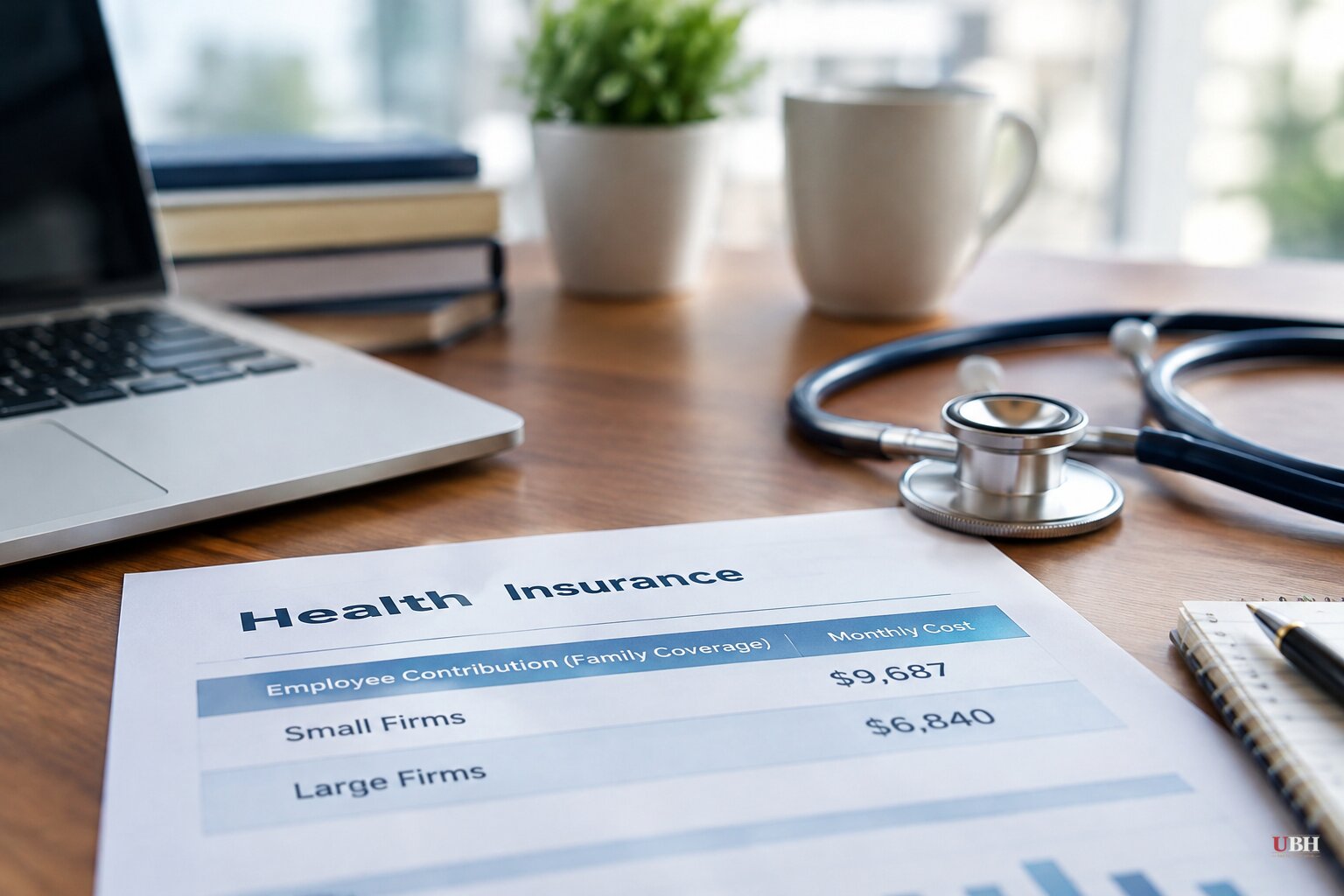
A day after KFF's 2026 Employer Health Benefits Survey put the average worker contribution for family coverage at $7,471, the firm-size numbers show where the squeeze is worst: small businesses.
Covered workers at smaller firms paid an average of $9,687 toward family coverage this year, according to KFF. At firms with 200 or more workers, the figure was $6,840. A year earlier, the small-firm figure was roughly $8,900 and the large-firm figure about $6,200.
That is a gap of $2,847 a year per family.
Workers at small firms carry a bigger share
The survey found that workers at smaller firms pay an average of 37% of the family premium. At larger companies, they pay 25%.
About 32% of covered workers at small firms are in plans where they pay more than half the family premium. At larger companies, that share is 6%.
Deductibles follow the same pattern. The average deductible at small firms is nearly $1,000 higher than at large firms, KFF found. More than half of small-firm workers face a deductible of at least $2,000, compared with about a third of workers at large firms.
Single-coverage premiums are similar across firm sizes. The gap is in family plans and in out-of-pocket exposure.
Fewer small firms offer coverage, and many workers have little choice
Sixty-six percent of small firms offer health benefits, compared with 98% of firms with 200 or more workers. That is up from 59% in 2025 but still below the 72% level of five years ago.
Small businesses employ about 62.3 million people, or 45.9% of private-sector workers, according to the Small Business Administration. Roughly 157 million Americans under retirement age get coverage through an employer.
Small firms have less leverage with insurers. They are also much less likely to self-fund their plans, so they pass along insurer rate increases more directly. A single employee with expensive medical needs can move their claims and future premiums sharply.
"Workers are paying a bigger chunk this year," said Matthew Rae, associate director of KFF's Program on the Health Care Marketplace, "which also brings up the issue of affordability."
Dropping coverage, and what comes next
Amber Kostka, who owns The Stockpot restaurant in Hampton Roads, Va., says premiums have roughly tripled since she began offering coverage in 2018. She splits the roughly $400 monthly premium with employees. About 35% of her eligible staff now enroll, she says, down from 50% before COVID. "It's just a cost thing, at the end of the day," she said.
The Commonwealth Fund found the share of working-age U.S. adults without insurance rose to 11.2% in 2026, from 8.9% in 2024.
Beth Umland, director of employer research at Marsh, says that feeds back into prices. "When providers have to provide a lot of uncompensated care, how do they make themselves whole? They raise prices," she said. A Marsh survey found employers expect total health benefit costs per employee to rise 8.2% in 2027, the highest increase since 2003. Umland pointed to health-system consolidation, which gives some hospital systems pricing power in their markets, and to lower government spending on public programs pushing costs onto private plans.
Elisabeth Rosenthal, a senior contributing editor at KFF Health News, wrote in a Washington Post opinion column that with insurance costs per employee expected to rise by more than 8% next year, many employers say they can no longer afford coverage. Their choices, she wrote, are to hire less and skimp on raises, or to shift more cost to workers through premiums and deductibles.
The political fight
An AP-NORC poll conducted in October found about 7 in 10 registered voters call health care "one of the most important issues" in this year's midterms.
President Donald Trump has made affordability part of his pitch. He says his most-favored-nation prescription drug pricing would reduce costs, and he has promised rebates for some Americans. The KFF survey does not measure either policy's effect on employer premiums.
The ACA marketplace, the fallback for many small-business workers and the self-employed, got more expensive in 2026. Premiums there rose an average of 58% after Congress declined last year to renew expiring enhanced subsidies, according to TIME's reporting on the changes. That decision came from a Republican-controlled Congress, and the cost shows up directly in the marketplace plans that employees compare against their employer's offer.
Neither party has put forward a plan that targets the small-group market specifically. That market is where the survey finds the highest worker cost, the thinnest choice of plans, and the lowest rate of employers offering coverage at all.
The next test arrives with 2027 renewals. If Marsh's 8.2% projection holds, small employers will again have to choose between absorbing it, passing it to workers, or dropping coverage. They will make that call with the 66% offer rate KFF just recorded as the baseline.
Sources used for this briefing
7 links from 5 independent newsrooms (syndicated copies of the same report count once)
These are the sources it draws on, linked so you can verify.


