
Unbiased headlines. Facts, not spin.
Every story is an unbiased news briefing written from 110+ sources across the spectrum — sources linked so you can verify it yourself.
 energy
Notable (6/10)
June 14, 2026 at 02:32 AM
energy
Notable (6/10)
June 14, 2026 at 02:32 AM
Six States Are Changing Fuel Taxes This Summer, With Pump Prices Already Volatile From the Iran Conflict
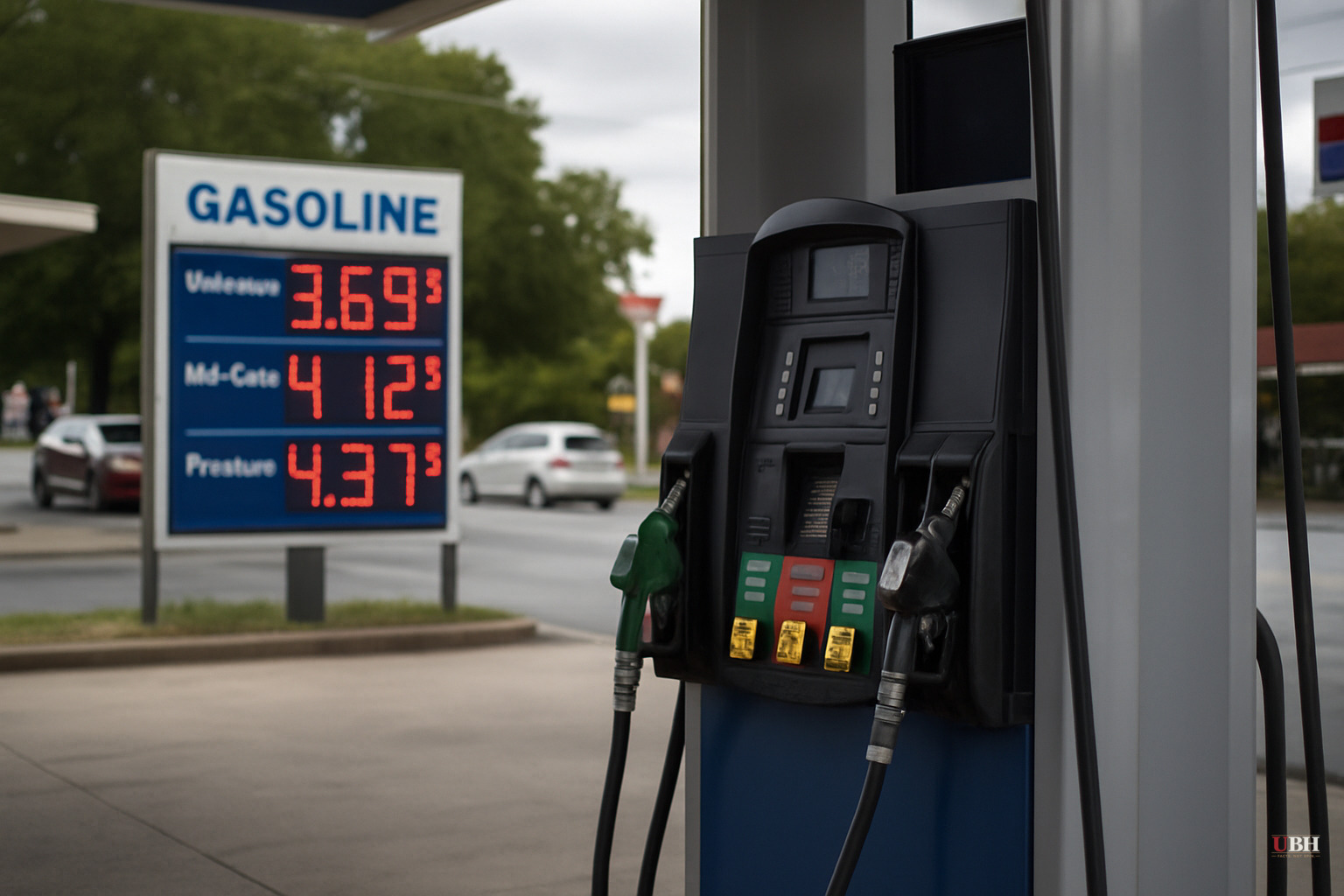
Since the Iran conflict began reshaping global energy markets earlier this year, the story at the pump has been almost entirely about crude prices and the prospect of a diplomatic deal. That narrative is accurate as far as it goes. But OilPrice.com flagged a parallel development this week: six states are implementing fuel tax changes this summer, and those adjustments will affect what drivers actually pay regardless of what happens in Tehran.
OilPrice.com reported the state tax changes in the context of accelerating energy inflation. WTI crude was listed at $84.88 as of the most recent session data in that source, with Brent at $87.33, both showing single-session declines of more than 3%. That is consistent with the Iran deal speculation covered in prior reporting. Gasoline futures in the same data showed $3.050 per gallon, also down. So the wholesale market is softening. The retail picture at the state level is more complicated.
What State Fuel Taxes Actually Do
Most state motor fuel taxes are set by statute and adjusted either annually or on a fixed schedule tied to inflation indices or wholesale price formulas. When wholesale energy prices spike, as they have since the Iran conflict escalated, some states' variable-rate mechanisms automatically ratchet taxes upward. Others are cutting taxes as a political response to constituent pressure. The OilPrice.com report identified six states undergoing changes but did not specify which direction each state is moving. That distinction matters for drivers trying to understand their actual cost.
The AP News source did not load substantive content. Its page returned a navigation shell with no article body. The specific six states, the direction of each change, and the effective dates cannot be confirmed from these two sources alone. What can be confirmed: the OilPrice.com data shows the changes are real and timed to a period of elevated energy inflation.
The Strongest Case for Higher Fuel Taxes Right Now
Some state budget officials would argue this is exactly the right moment to adjust fuel taxes upward if a formula requires it. Infrastructure funding tied to fuel tax revenue has been systematically underfunded as more fuel-efficient and electric vehicles reduced per-mile tax collection. If the formula adjusts to reflect current energy prices, the revenue goes toward roads and bridges that benefit everyone, including drivers who resent the increase. That is a defensible position, not just bureaucratic self-interest.
The Problem With That Argument
The counterargument is straightforward. American households are already absorbing elevated energy costs from a conflict they did not choose. Stacking a state tax increase on top of a supply-shock-driven price spike is a double hit, one from the market and one from the government. The political logic of automatic inflation-linked tax adjustments made more sense when energy inflation was driven by gradual demand growth, not a Middle East war. Several states have suspended or waived fuel tax increases during past price spikes for exactly this reason, and the question of whether any of the six states identified by OilPrice.com are doing the same is unanswered in these sources.
The Broader Context
OilPrice.com also noted that the U.S. military is currently helping move approximately 7 million barrels per day out of the Persian Gulf, a figure attributed to remarks by an official identified only as "Wright" in the headline data. That throughput number matters: if a deal closes and Iranian export capacity comes back online, the crude price could fall faster than state fuel tax schedules can respond. This means drivers in high-tax states could end up paying more than market conditions justify for a period of months.
The OPEC Basket price in the OilPrice.com data was listed at $98.07 per barrel, roughly $13 above WTI. That spread is wide and reflects the premium buyers in some markets are still paying for non-Iranian supply. If Iran returns to full export capacity under a deal, that spread compresses and WTI follows it lower.
What to Watch
The question heading into next week is whether any of the six states implementing fuel tax changes will revisit those schedules if a formal Iran deal is announced and crude prices drop materially. Some state legislatures have the authority to suspend automatic adjustments mid-cycle. Others do not. Until the specific states and their statutory mechanisms are publicly identified, drivers have no way to know whether the tax change in their state is a one-way ratchet or something that can respond to market relief.
Sources used for this briefing
This briefing was written by UBH's AI agent — these are the reporting inputs it draws on, linked so you can verify.


