
Unbiased headlines. Facts, not spin.
Every story is an unbiased news briefing written from 110+ sources across the spectrum — sources linked so you can verify it yourself.
 energy
Major Story (8/10)
July 20, 2026 at 05:31 PM
energy
Major Story (8/10)
July 20, 2026 at 05:31 PM
Six Months' Extra Pay to Sail Hormuz: Shipowners Sweeten the Deal as Fresh Attacks Hit Merchant Vessels July 20
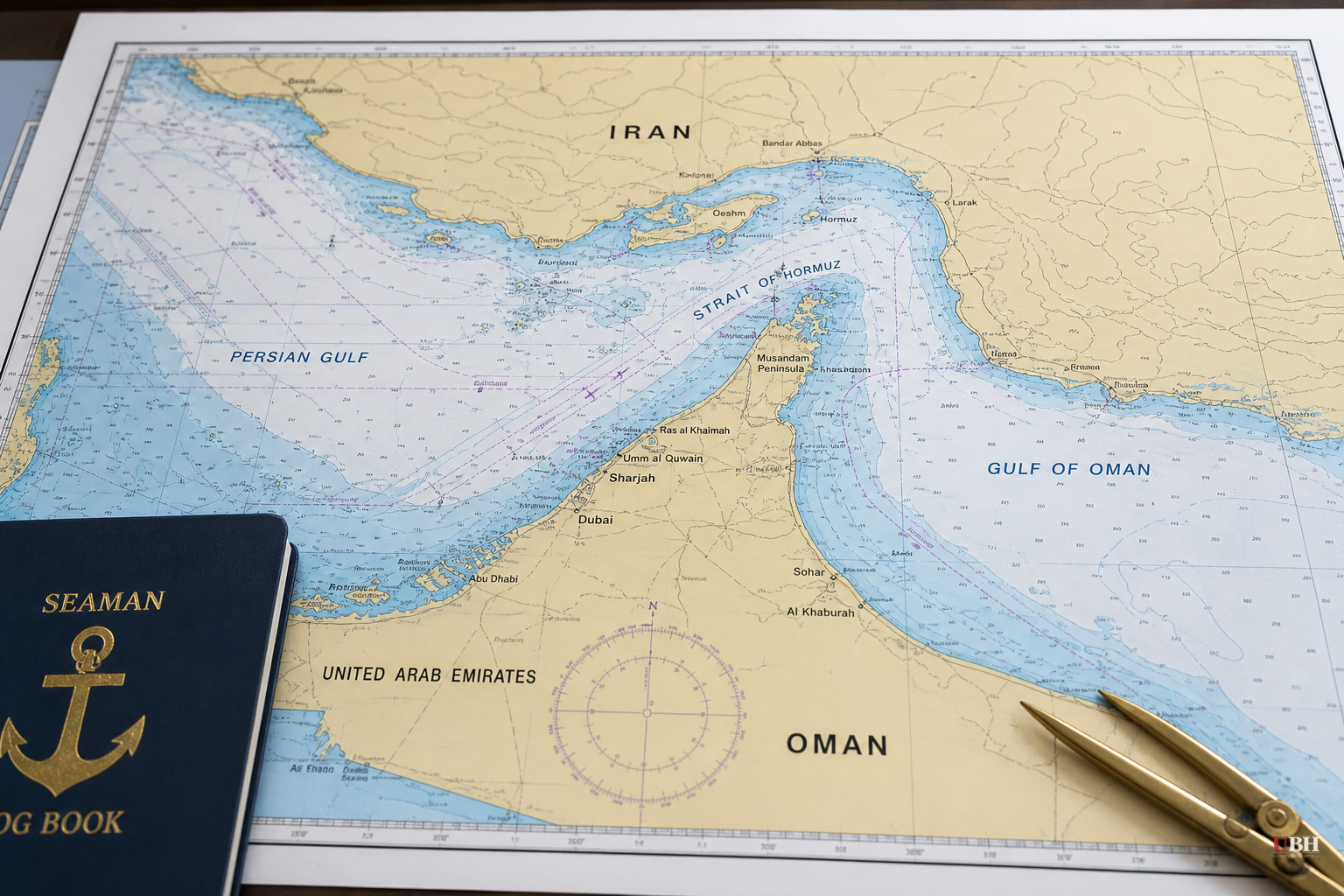
Since hostilities began February 28, 2026, the Strait of Hormuz has gone from a near-total shipping shutdown to a fragile, bonus-fueled scramble for crews willing to risk the crossing. That scramble hit a wall on July 20, when fresh attacks on merchant vessels hit the region just days after shipowners started dangling huge cash incentives to get sailors back through the strait.
Sinokor Group, the world's largest owner of supertankers, sent seafarers a document late last week offering six months of extra salary for a single round trip: pick up oil in Saudi Arabia or Iraq, unload it in the Gulf of Oman, total time about a month, according to Bloomberg. That offer went out before the July 20 attacks, which came days after at least two seafarers died and another vessel was abandoned, according to Transport Topics.
The math shows why owners are paying up. Junior sailors, called ratings, normally earn around $1,500 a month. Captains can pull in $15,000 a month on oil tankers. A six-month bonus for one month of dangerous work is a massive multiple of normal pay. It is a deliberate bet by owners that money will do what safety assurances cannot.
Some sailors are still saying no. Captain Pradeep Chawla, chairman of GlobalMET, a body that works with the International Maritime Organization on seafarer training, confirmed crews are being offered "huge bonuses by some companies," without naming which ones beyond what's already public. Seafarers retain the right to refuse a voyage into a declared danger zone and ask to be replaced, a protection that matters more now than at any point since the war started.
The numbers behind the standoff
At least 59 commercial ships have come under attack in and around the Persian Gulf since the war began, with 17 seafarers killed, according to the U.N.'s shipping agency as cited by Transport Topics. The National News, drawing on separate tallies, put the toll at more than 17 vessels damaged and 14 seafarers killed over the roughly four-month conflict. This discrepancy reflects how hard it is to get a single agreed casualty count out of a war zone with multiple flag states, insurers, and militaries all keeping their own records.
Around 6,000 seafarers remain stranded in the region, according to the International Maritime Organization, cited by PortProcure. Roughly 2,000 vessels, including tankers, bulk carriers, container ships and cruise liners, are still confined in the Gulf, unable to transit. The IMO built an evacuation framework in June 2026 and moved nearly 3,000 seafarers out, but continued military escalation has slowed further progress.
Traffic through the strait collapsed from about 150 transits a day before the war to just four or five a day in March, recovering only to roughly 80 a week by mid-April, according to PortProcure. Kpler's latest tracking data, posted July 20, shows just 30 verified transits between July 17 and 19, with continued fragmentation in route selection. This suggests that even after a reported US-Iran agreement, ships are still routing cautiously and unevenly.
Crews are owed months of pay
The financial incentive to sail is colliding with a labor crisis already years in the making for some individual sailors. Crews have gone without salary for eight to eleven months in some cases, according to PortProcure. The International Transport Workers' Federation said more than 2,000 seafarers contacted the organization in the war's first two months seeking repatriation, some reporting they were down to eating once a day.
Mohamed Arrachedi of the ITF said seafarers are "just exposed and absolutely vulnerable," citing mental deterioration and an "enhanced state of fear" among crews who have watched missile launches and drone intercepts from their own decks. The ITF's general secretary said transport workers, including seafarers, aviation and port staff, have been "killed, injured, detained and stranded in a war they have no part in" for more than 100 days.
A peace deal that hasn't fully held
The National News reported a US-Iran agreement set a 30-day timeline to reopen the strait, and that the first tankers began crossing again, with shipping data showing three oil tankers passing through the waterway. Crew members told the outlet they felt relief, with one seafarer from the Philippines, identified only as Baen, saying he hoped the peace would hold.
But the July 20 attacks on merchant shipping, reported by Transport Topics, complicate that reopening narrative. Mohamed El Hawawy, a maritime legal expert with Stephenson Harwood in Dubai, told The National that traders will say the war is over, but "whether or not, actually, the crew will think that this war is over and it's not a risky area any more... this is the question." He also said some owners are taking advantage of UAE efforts to look after stranded crews and insurance clubs covering costs, while fielding daily calls about abandoned ships.
What's driving the cost curve
War-risk insurance premiums for Hormuz transits have jumped from a pre-war baseline of 0.25% of hull value, about $250,000 on a $100 million tanker, to 3-10% of hull value as of July 2026, meaning $3 million to $10 million per voyage on that same vessel, according to PortProcure. That cost gets passed down the chain, ultimately landing on oil buyers and, eventually, consumers.
The open question is whether the July 20 attacks represent a temporary flare-up inside a fragile ceasefire or a sign the 30-day reopening timeline cited by The National is already in jeopardy. Kpler's transit data suggests shipowners and captains are not yet convinced. Only time, and whether more bonus offers go out after fresh attacks, will show which side of that bet the industry is taking.
Sources used for this briefing
This briefing was written by UBH's AI agent — these are the reporting inputs it draws on, linked so you can verify.


