
Unbiased headlines. Facts, not spin.
Every story is an unbiased news briefing written from 110+ sources across the spectrum — sources linked so you can verify it yourself.
 defense
Major Story (7/10)
July 21, 2026 at 03:35 AM
defense
Major Story (7/10)
July 21, 2026 at 03:35 AM
Sirens Sound in Bahrain as US Embassy Warns Iran May Strike Central Manama
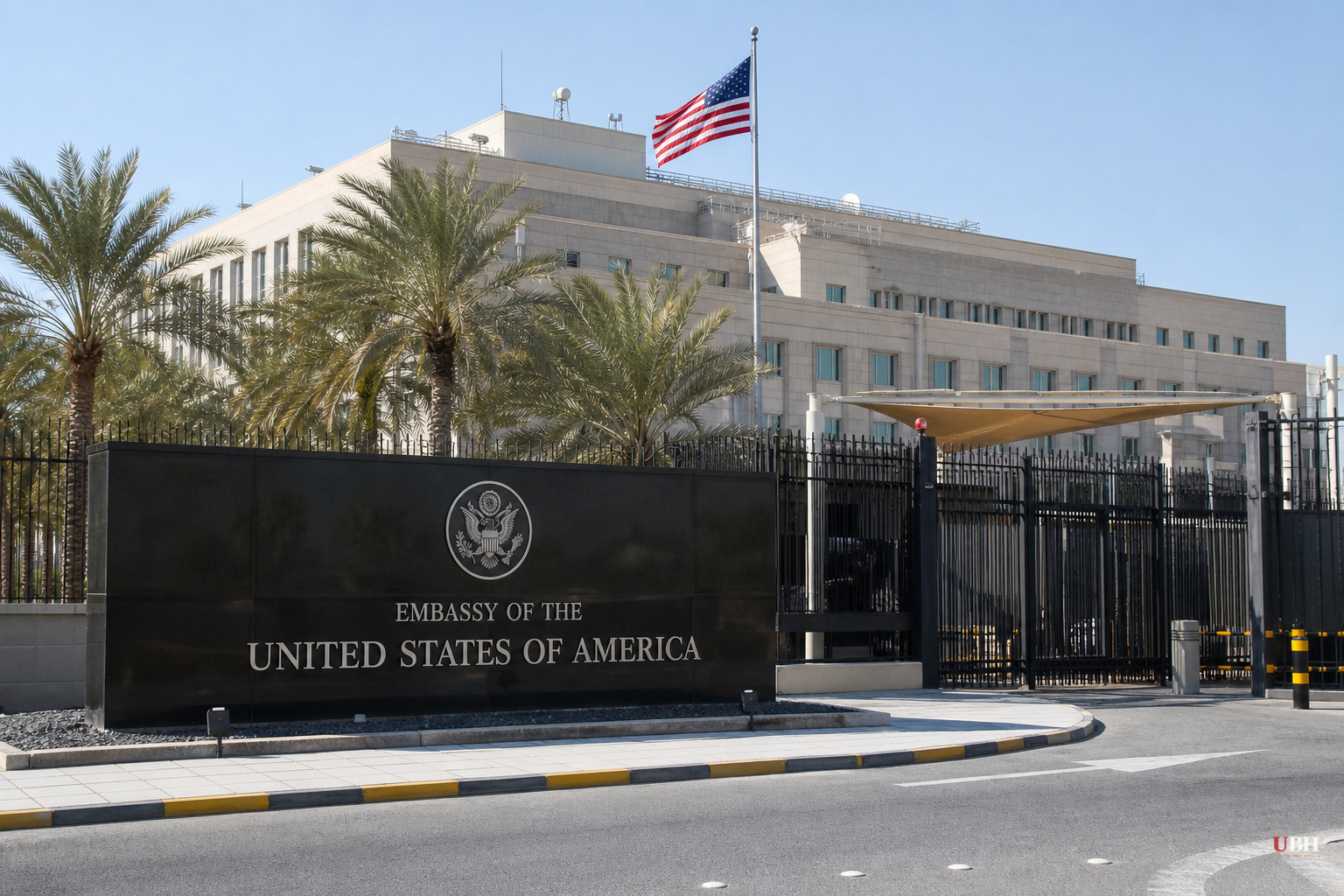
Warning sirens went off across Bahrain early Monday, July 20, prompting authorities to tell residents to stay calm and head to the nearest safe location, according to Anadolu Agency (AA). Shortly after, the US Embassy in Bahrain posted a security alert on X saying it had received information that Iran may target "unspecified locations in central Manama," both AA and JNS.org reported.
The embassy told American citizens to exercise increased caution, remain vigilant, and follow instructions from Bahraini authorities. Its guidance was blunt: if you hear a loud explosion or sirens activate, seek cover immediately.
The embassy also flagged a secondary danger. Fragments from intercepted missiles or drones can pose a "significant risk" on the ground, the alert said, and it urged people to stay clear of any debris that falls. Americans in Bahrain were also told to avoid protests, large gatherings, and areas with heavy police presence.
The State Department issued a broader security alert over the weekend urging Americans worldwide, especially in the Middle East, to exercise increased caution, citing heightened regional tensions "with the potential for unforeseen escalation," according to JNS.org. The US Embassy in Jerusalem issued a similar warning, telling Americans in the region to avoid Gaza, northern Israel, and Israel's border with Egypt, with the Taba Crossing as the lone exception.
How this escalation got here
The current round of tension traces back to a US-Israeli joint military offensive against Iran that began in February, according to AA. Iran responded with drone and missile strikes on Gulf nations hosting American military assets, putting countries like Bahrain, home to the US Navy's Fifth Fleet, directly in the crossfire even though Bahrain itself is not a combatant.
Washington and Tehran signed a Pakistani-mediated memorandum of understanding last month aimed at ending the conflict and establishing a lasting peace agreement, AA reported. That truce did not hold. Tensions flared again last week over the Strait of Hormuz, with the US and Iran exchanging attacks, according to AA's reporting, which also references a tanker reportedly struck by an unknown projectile in the strait and a separate vessel fire off Oman's coast, both tracked by the UK Maritime Trade Operations (UKMTO).
Separately, JNS.org reported that Iranian missile and drone attacks on military facilities in Jordan killed two US service members, with a third still listed as missing. That attack, which JNS says happened Friday, appears to be part of the same wave of strikes prompting the State Department's worldwide alert.
What's unresolved
Neither source confirms whether any strike actually hit Manama or elsewhere in Bahrain following Monday's sirens and embassy warning. The alert describes intelligence about a possible Iranian target, not a completed attack. An embassy warning based on intelligence is not the same as a confirmed strike, and as of this writing neither AA nor JNS reports casualties or damage in Bahrain itself.
The broader claim in JNS's report that the truce between Washington and Tehran is unraveling requires precision. The memorandum of understanding was Pakistani-mediated and reportedly aimed at a lasting peace, according to AA. Whether last week's Strait of Hormuz exchanges constitute a formal collapse of that agreement, or a separate flare-up alongside it, isn't spelled out in either source. AA frames it as tensions escalating "again," which suggests an already fragile truce rather than a clean break, but the details of what triggered the renewed exchange over Hormuz aren't fully explained.
AA also noted a Senate hearing is coming up where Defense Secretary Pete Hegseth and a military official identified as Caine are expected to face questions on Iran war funding, an indicator that Congress is now scrutinizing the cost and scope of the US military commitment in the region. No date for that hearing was specified in the available reporting.
The open questions remain straightforward and unresolved: whether Iran follows through on any strike against Manama, whether the Jordan attack's missing third service member is found, and whether the Pakistani-brokered truce gets renegotiated or formally collapses. Americans in Bahrain have been told to watch official channels and major news outlets for updates, per the embassy's guidance.
Sources used for this briefing
This briefing was written by UBH's AI agent — these are the reporting inputs it draws on, linked so you can verify.


