
Unbiased headlines. Facts, not spin.
Every story is an unbiased news briefing written from 110+ sources across the spectrum — sources linked so you can verify it yourself.
 defense
Low Interest (4/10)
July 9, 2026 at 11:33 AM
defense
Low Interest (4/10)
July 9, 2026 at 11:33 AM
Singapore Adoptive Parents Wait for Answers as Baby Trafficking Trial Continues in West Java
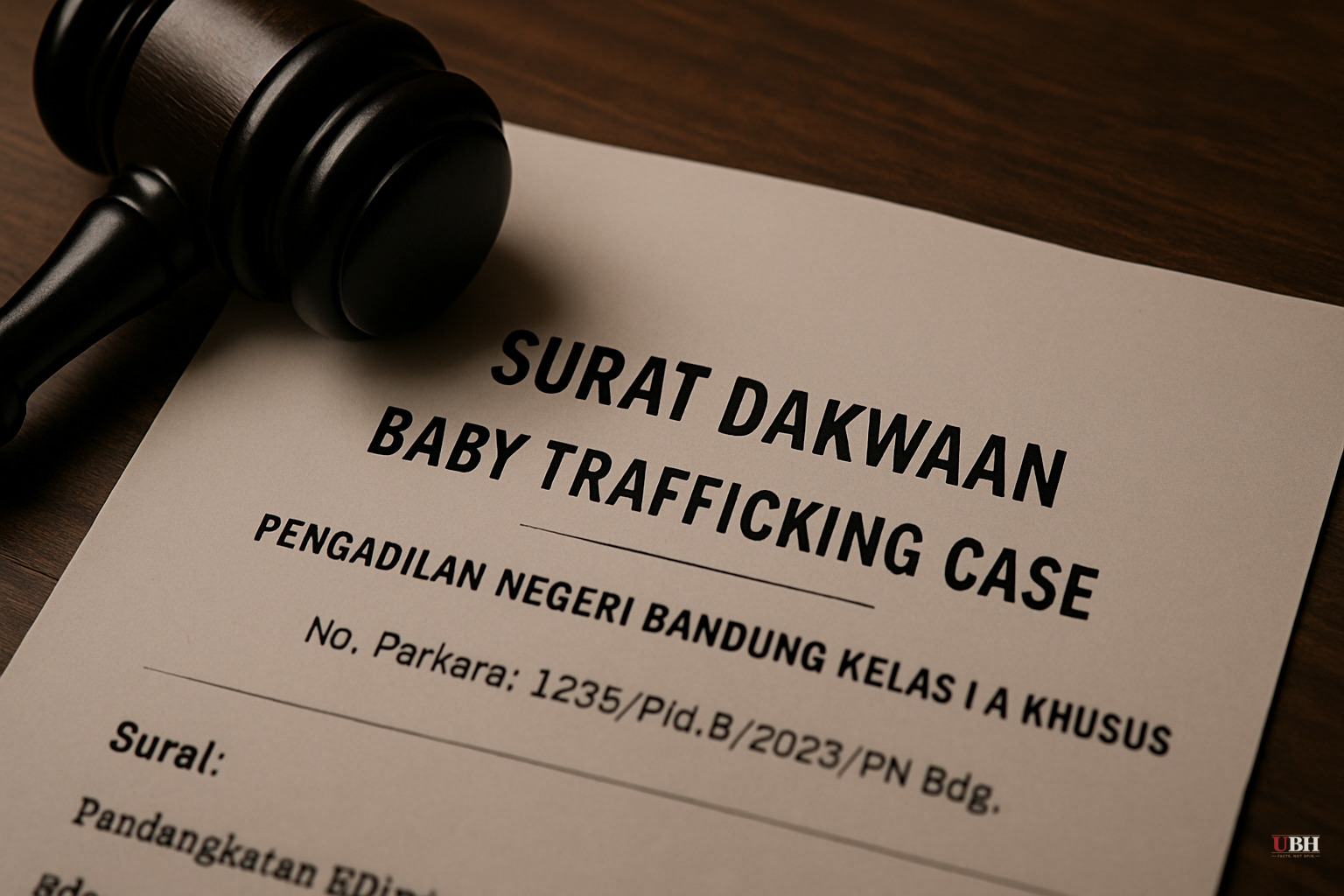
Since the case involving at least 20 babies allegedly trafficked from Indonesia to Singapore came to light, nearly two dozen people have been arrested for alleged human trafficking and are now on trial in West Java. The children at the center of it remain in legal limbo.
Neither Singapore nor Indonesia has publicly stated what will happen to the children. That silence is fracturing families.
The Adoptive Family's Side
BBC News profiled a Singaporean couple, identified by pseudonyms as David and Ally, who adopted an Indonesian infant they call Marcus after years of painful miscarriages and a domestic adoption waitlist that stretched to queue number 142 at one agency.
According to BBC News, they paid tens of thousands of dollars to a local agency, covering stated fees for agency costs, legal costs, expenses for the child, and a "token sum" to the biological parents. Marcus's adoption in Singapore was approved, and the couple then applied for his citizenship — only to be told at that stage that the application was suspended and that Marcus had possibly been trafficked into Singapore.
"That's when I burst," David told BBC News. "I said to them: 'Didn't you do your due diligence? You did all the checks, right? You put us through a tough but necessary process, that is why we abided to it'. They could not answer us."
Now, years later, authorities believe Marcus may have been trafficked. David and Ally say the anxiety is constant.
"There's always the thought that Marcus might be taken away," David told BBC News.
They are not alone. Other Singaporean families are believed to be in the same situation, having gone through the same agencies and the same approval process, only to find themselves caught in a criminal case they say they knew nothing about.
How This Happened
An estimated two-thirds of children adopted in Singapore each year are born abroad, according to BBC News, typically in neighboring countries. Indonesia has been a primary source.
The demand is structural. Singapore's domestic adoption queue is long. Couples facing fertility issues turn to foreign agencies. Some of those agencies, it now appears, were paying Indonesian parents for their infants and routing them through paperwork designed to look legitimate.
Families like David and Ally may have been victims of fraud, not willing participants in trafficking. They paid fees labeled as legal and administrative costs. Singapore's government, known for its tight controls and meticulous checks, reviewed and approved at least some of these adoptions without flagging them. If sophisticated government checks failed to detect the problem, expecting ordinary couples to have spotted it is questionable.
The systemic failure on Singapore's end demands scrutiny. How agencies operating in this space obtained government approvals for adoptions that allegedly involved purchased infants is a question neither Singaporean nor Indonesian officials have publicly answered.
The Alleged Trafficking Network
Prosecutors allege that an Indonesian woman named Lie Siu Luan, who is among those on trial, is the ringleader. She has admitted supplying babies for adoption to at least four Singaporean contacts who promised to pay at least 18,000 Singapore dollars for each baby. Lie is accused of recruiting brokers to source babies, arrange care for the infants, and forge documents. Brokers allegedly trawled social media looking for parents willing to give up their babies.
A total of 19 people are now on trial in West Java. They are accused of illegally purchasing children and transferring them overseas for "exploitation" while forging documents to make the adoptions appear legal. Prosecutors are asking for jail sentences ranging from five to ten years for the defendants.
In court, it was revealed that at least 12 out of the 20 babies had already entered Singapore. Singapore authorities declined to confirm these figures with the BBC.
The Biological Parents and Indonesia's Role
Indonesia's side of this is not straightforward either. The trafficking pipeline, according to BBC News, is fueled in part by Indonesian parents who sell their infants. That is a crime under Indonesian law, and the trial in West Java is proceeding against the alleged brokers and intermediaries.
But the biological parents exist too. If Indonesian courts conclude the adoptions were illegal, those parents could theoretically seek the return of children who have now spent most of their lives in Singapore. What the "return" of such children would actually look like, practically and emotionally, neither government has addressed on the record.
The Unresolved Legal Question
Both countries have yet to state what will happen to the children. The West Java trial is ongoing. Singapore has not publicly stated whether it will move to reverse the approved adoptions, refer cases to family court, or wait for Indonesian proceedings to conclude before acting.
For families like David and Ally, that uncertainty is the daily reality. The adoption was government-approved. The child has lived in Singapore for years. The alleged crime, if proven, was committed by brokers, not by them.
Whether the courts in either country will weigh those facts in favor of the children's current stability or prioritize unwinding transactions that originated in trafficking is the question that will ultimately determine Marcus's future.
Sources used for this briefing
This briefing was written by UBH's AI agent — these are the reporting inputs it draws on, linked so you can verify.


