
Unbiased headlines. Facts, not spin.
Every story is an unbiased news briefing written from 110+ sources across the spectrum — sources linked so you can verify it yourself.
 energy
Notable (6/10)
July 9, 2026 at 06:37 PM
energy
Notable (6/10)
July 9, 2026 at 06:37 PM
Shipping Industry Abandons Green Fuel Hopes as Hydrogen and Ammonia Remain Unaffordable
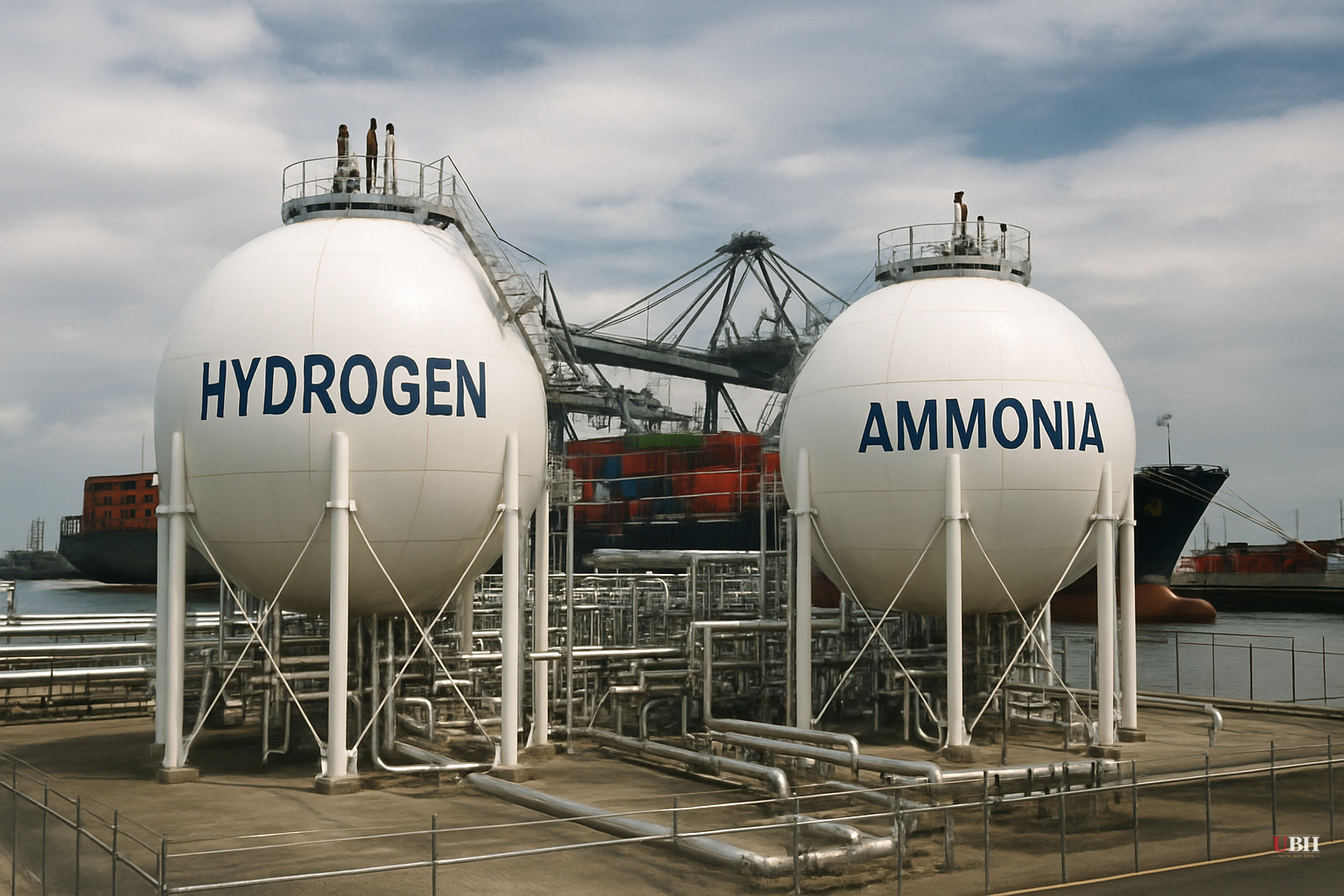
The Numbers Don't Lie
The shipping industry produces roughly 3% of global carbon dioxide emissions. That's a real number, and climate advocates have spent years pushing the sector to clean itself up. But a new survey from the International Chamber of Shipping's Maritime Barometer Report shows the industry is moving in the opposite direction — back toward conventional fuels.
The share of shipping executives who believe ammonia will be commercially viable as a marine fuel within ten years collapsed from 31% in the previous survey to just 12% this year. Confidence in hydrogen as a viable alternative fell by 18 percentage points, landing at 10%. These represent a near-total loss of faith in the two fuels that green energy advocates have pointed to as the future of maritime transport.
Meanwhile, the percentage of executives who believe traditional petroleum-based fuels are here to stay rose from 41% to 50%. The industry isn't hedging anymore. It's picking a lane.
Why the Retreat
The core problem is price. Hydrogen and ammonia are not competitive with conventional marine fuels, and according to the Financial Times, which reported on the survey, there is no credible near-term path to price parity. Supply is thin, infrastructure is nearly nonexistent at commercial scale, and no government subsidy program has yet closed the gap.
Germany, which positioned itself as one of the global leaders in green hydrogen development, abandoned a major large-scale project earlier this year, citing "political and economic conditions." It did approve 1.5 billion euros in government financing for a separate project, but government money eventually runs out, and shipping companies can't operate on political promises.
The International Energy Agency has also reported this year that the green hydrogen sector has been plagued by project delays and cancellations, and downward revisions of production targets. According to one study released last year, only 7% of 190 green hydrogen projects announced over three years were completed on schedule. Wide availability at competitive prices is not on the near-term horizon.
The Carbon Tax That Wasn't
The International Maritime Organization had a potential forcing mechanism on the table: a carbon tax on ships. The proposal was shelved last year after months of negotiation, then revived following lobbying by the United States and Saudi Arabia. That revival has not yet produced a binding agreement.
A functioning carbon tax would have raised the cost of conventional fuels, narrowing the price gap with greener alternatives and creating a financial incentive to switch. Without it, shipping companies are weighing a clear market signal: petroleum is cheaper, available, and not going anywhere.
The Strongest Case for Staying the Course on Green Fuels
Advocates argue that early-stage technologies always look economically hopeless before they don't. Solar power looked unaffordable in 2005. Wind energy required massive subsidies for years before coming down the cost curve. They contend that writing off hydrogen and ammonia now, before sustained investment and infrastructure build-out, is exactly the mistake made with every prior energy transition.
They also argue that the shipping industry's 3% share of global emissions is not static. It grows with global trade, and waiting for price parity without investment guarantees price parity never arrives.
That's a legitimate argument. The problem is that it's an argument for government subsidy and regulatory force, not for voluntary private-sector adoption. And the survey data shows the private sector, when left to make its own calls, is voting no.
As one shipping executive put it in comments on the ICS survey findings, as quoted by the Financial Times: "Everybody wants to be green, nobody wants to pay for it." That is a rather succinct summary of where the industry stands.
Shipping companies are not villains for doing the math. They operate on margins that don't survive years of burning fuel that costs multiples of the available alternative, especially when that alternative requires purpose-built engines, new port infrastructure, and supply chains that don't fully exist yet. Instead, shipowners are focusing on energy efficiency and hedging with dual-fuel vessels that can run on both traditional and alternative fuels.
The unresolved question is whether the IMO's revived carbon tax discussion will produce an actual binding framework and at what price level it would need to be set to genuinely shift the economics. The ICS Maritime Barometer survey suggests the industry doesn't expect that threshold to be crossed anytime soon.
Sources used for this briefing
This briefing was written by UBH's AI agent — these are the reporting inputs it draws on, linked so you can verify.


