
Unbiased headlines. Facts, not spin.
Every story is an unbiased news briefing written from 110+ sources across the spectrum — sources linked so you can verify it yourself.
 economy
Major Story (7/10)
August 12, 2026 at 12:55 AM
economy
Major Story (7/10)
August 12, 2026 at 12:55 AM
Shipowner Pays $4 Million to Cut the Line at Panama Canal as Iran War Chokes Gulf Shipping Lanes
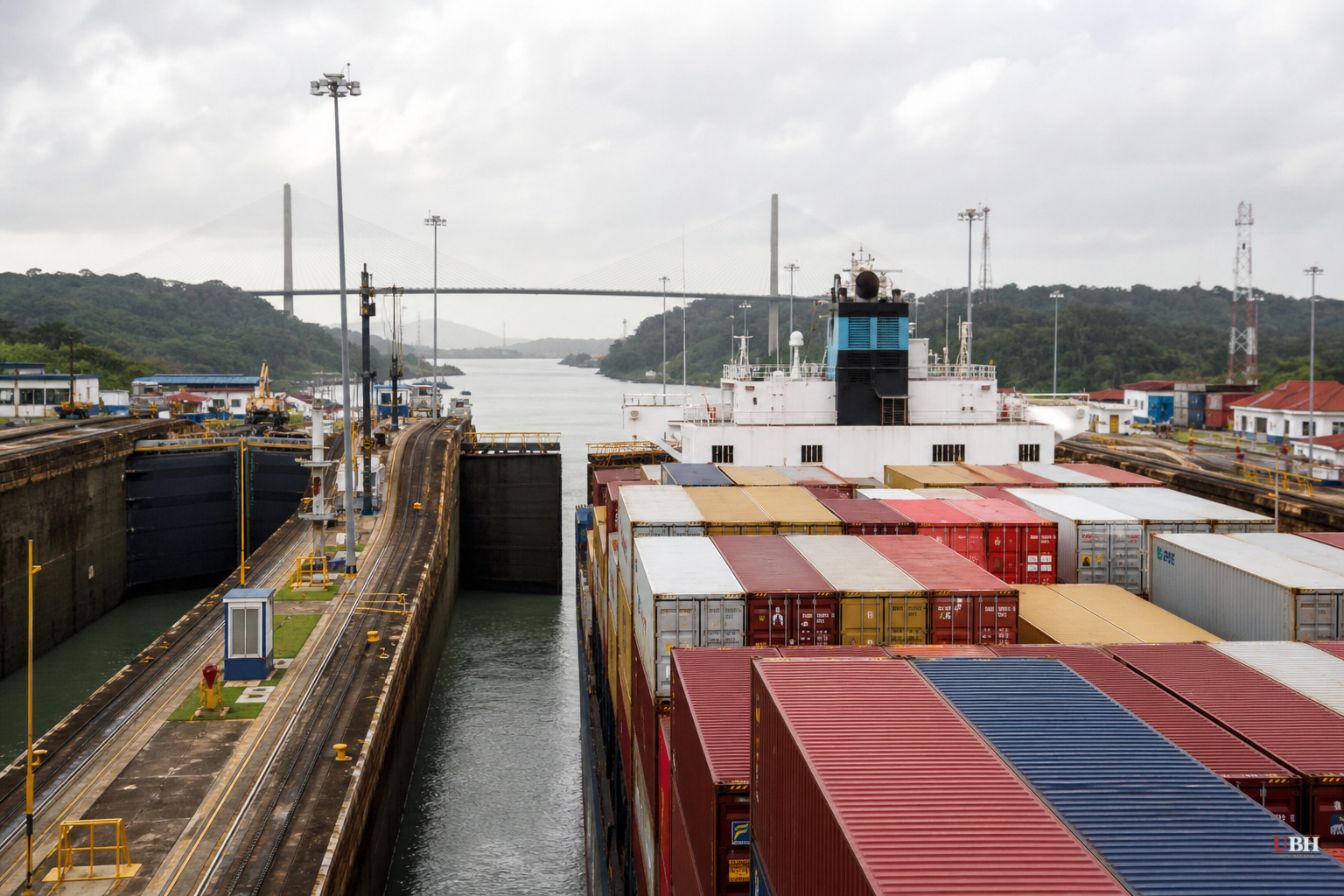
A shipowner paid $4 million on August 10 to jump the line at the Panama Canal. That's according to people familiar with the private auction data, cited by Bloomberg and reported by the Straits Times. The vessel, the Seaspan Benefactor, more than doubled the average auction price of the previous seven days just to avoid a wait that's now stretching past 10 days for Neopanamax ships without a booked slot.
Seaspan did not respond to a request for comment on the payment.
The Iran war has curtailed shipping through the Strait of Hormuz and, more recently, the Bab el-Mandeb, according to the Straits Times. Buyers and sellers of oil, natural gas, fertilizer and chemicals, especially in Asia, are scrambling for alternative routes. Panama is one of the few options, and now everyone wants through it at once.
Meanwhile the canal itself is drying out. The Panama Canal Authority has announced five separate draft reductions at its Neopanamax locks this year, according to gCaptain and Splash247. The maximum draft dropped from 49.5 feet in early July to 49 feet on July 24, and is scheduled to fall further to 48.5 feet on August 15, 48 feet on August 26, and 47.5 feet starting September 3.
The cause is Gatun Lake, the freshwater reservoir that feeds the lock system. Every transit burns millions of gallons of it, and rainfall has come in below expectations as El Nino strengthens in the tropical Pacific.
How strong is up for debate depending on which forecast you're reading. Supply Chain Dive cited a July 22 Panama Canal Authority release putting the odds of a severe El Nino event at 81%, up from 25% in April. gCaptain cited NOAA's Climate Prediction Center putting the odds of the event reaching "very strong" status by late 2026 at 81% as well, while Splash247 cited the U.S. Climate Prediction Center giving El Nino a 97% chance of persisting into early spring 2027. Different metrics point the same direction: worse before better.
The canal authority insists this is manageable. It says the water-saving measures it introduced in December, including expanded use of water-saving basins, simultaneous lockages for smaller vessels, and reduced hydroelectric generation at Gatun Dam, have it better positioned than during the 2023-24 drought, according to gCaptain and Splash247. Officials also maintain that daily transit numbers won't be cut, only draft limits, meaning ships can still pass but must carry less cargo.
The 2023-24 drought forced draft cuts down to 44 feet and slashed daily transits from around 40 to the mid-20s, according to Splash247. Queues exceeded 160 ships at the worst point, with delays running past two weeks. What's happening now, a 10-day wait and a current draft limit of 49 feet with further cuts already scheduled, is real pain but nowhere near that scale yet. The authority's argument is that the December fixes are working as designed.
This is early August, El Nino is still strengthening, and the last drought didn't peak until months later. Ricaurte Vasquez Morales, the Panama Canal Administrator, told reporters on a conference call reported by Supply Chain Dive that capacity restrictions, including cuts to daily booking slots on top of draft limits, are likely, with timing and scope depending on market conditions. That's a canal official telling shippers to brace for more, not less.
Ocean carriers are already passing the cost down. MSC will introduce a $100-per-TEU Panama Canal Surcharge effective August 19 for cargo moving from Southeast Asia, China, Korea and Japan to the U.S. East and Gulf coasts, according to Supply Chain Dive. CMA CGM raised its own surcharge from $40 to $100 per TEU effective July 25 for Asia-to-Americas routes, telling customers the hike covers "associated operational costs" from lower water levels.
Shippers are getting squeezed from two directions: a war rerouting Middle East cargo toward Panama, and a drought shrinking what Panama can actually carry. The Panama Canal Authority declined to comment on the $4 million Seaspan Benefactor payment specifically, but confirmed to Bloomberg that auction costs have risen due to shifts in global trade supply and demand, and acknowledged some auctions have already topped $1 million.
Whether the December water-saving upgrades actually hold up once El Nino peaks remains uncertain. NOAA and the Climate Prediction Center don't expect peak conditions until late 2026 or beyond. If lake levels keep falling past September, the authority will have to decide whether to protect draft limits or protect transit slot counts. It can't indefinitely protect both.
Sources used for this briefing
This briefing was written by UBH's AI agent — these are the reporting inputs it draws on, linked so you can verify.


