
Unbiased headlines. Facts, not spin.
Every story is an unbiased news briefing written from 110+ sources across the spectrum — sources linked so you can verify it yourself.
 energy
Major Story (7/10)
July 30, 2026 at 08:32 PM
energy
Major Story (7/10)
July 30, 2026 at 08:32 PM
Shell Posts $9.84 Billion Quarterly Profit as Iran War Disruption Cuts Both Ways on Energy Markets
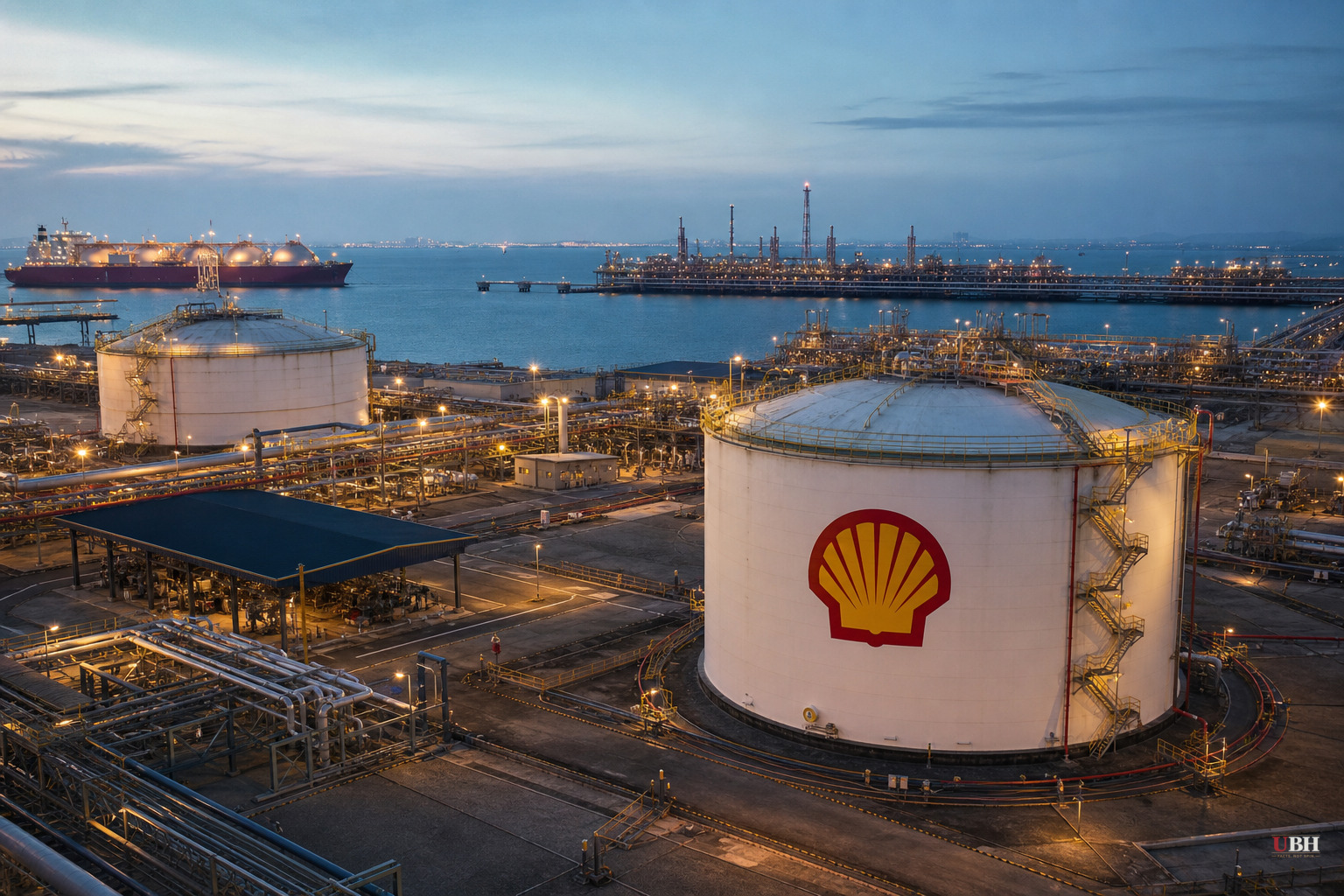
Since the Iran war disrupted Qatari gas production and Middle East shipping lanes earlier this year, the fallout has split energy markets into clear winners and losers. Shell just landed firmly in the winners' column.
Shell reported adjusted earnings of $9.84 billion for the second quarter of 2026, more than double the $4.26 billion it posted a year earlier, according to energyplanets. That blew past analyst estimates of $8.8 to $8.9 billion.
The company credited higher realized oil and gas prices, stronger crude, fuel and LNG trading profits, surging chemicals margins, and record refinery utilization. Refinery utilization hit 102% in the April-to-June quarter, up from 99% in the first quarter, mostly because Shell had less planned and unplanned maintenance downtime, per energyplanets.
The margins tell the real story. Shell's global indicative refining margin jumped to $24 a barrel from $17 in the first quarter. Its chemical margin nearly doubled to $270 a ton from $139. That's the kind of spread that turns a good quarter into a blowout one.
Free cash flow more than doubled too, hitting $17.5 billion for the quarter versus $6.5 billion a year ago. Shell announced another $3 billion in share buybacks for the third quarter, its 19th straight quarter of at least $3 billion in repurchases. CEO Wael Sawan called it strong operational performance during "another quarter of severe disruption in global energy markets."
The Qatar Problem Baked Into Shell's Numbers
The catch buried in Shell's own results: the company's profits came in better than expected despite lower LNG volumes, because the Iran war hammered production in Qatar, according to energyplanets. Shell has a major stake in Qatari LNG operations.
Qatar's Ras Laffan LNG complex, the backbone of Qatari gas exports, took real damage from the war, according to OilPrice.com. Qatar is now turning to American LNG exporters to make up the shortfall in its own supply commitments.
So the same war that's crushing Qatari export capacity is simultaneously pumping up the trading margins and price spikes that just fattened Shell's bottom line. Volatility pays for the companies with the trading desks and refining capacity to exploit it, even when their own physical production takes a hit.
Not Just Shell
Shell wasn't alone. Eni, TotalEnergies and Equinor also posted profit jumps from a year earlier, according to energyplanets, as oil and gas prices surged during the Middle East crisis and delivered what the report flatly calls "windfall earnings" to the biggest energy companies.
These aren't earnings from new discoveries or efficiency gains. They're earnings from a war-driven price shock. European majors sitting on trading operations, refining assets, and LNG portfolios are cashing in on volatility that's simultaneously wrecking infrastructure and displacing supply contracts for buyers like Qatar.
What's Missing From the Celebration
The quarterly numbers read like an unambiguous win. Buybacks, record margins, beaten estimates. But the underlying cause is a shooting war that damaged a major LNG export terminal and forced a wealthy gas exporter to go shopping for American cargoes to cover its own shortfalls, according to OilPrice.com.
It's a genuinely different story than "energy giant crushes earnings." It's "energy giant crushes earnings because the market it operates in got more dangerous and less reliable." Shell's own disclosure acknowledges the Qatar production hit directly. The company isn't hiding it.
The open question is how long this dynamic holds. If Qatar's Ras Laffan repairs take months rather than weeks, American LNG exporters get a durable new customer and U.S. gas producers get a pricing tailwind. If Iran-related shipping risk in the Persian Gulf keeps disrupting tanker traffic, refining margins like Shell's $24-a-barrel spread could stay elevated well past this quarter. Neither outcome is good news for anyone actually buying gasoline, diesel, or heating fuel with these margins baked into the price.
Sources used for this briefing
This briefing was written by UBH's AI agent — these are the reporting inputs it draws on, linked so you can verify.


