
Unbiased headlines. Facts, not spin.
Every story is an unbiased news briefing written from 110+ sources across the spectrum — sources linked so you can verify it yourself.
 energy
Notable (6/10)
August 6, 2026 at 06:35 PM
energy
Notable (6/10)
August 6, 2026 at 06:35 PM
Sheinbaum Bars Fracking in Tampico-Misantla Basin While Mexico Stays Hooked on U.S. Gas
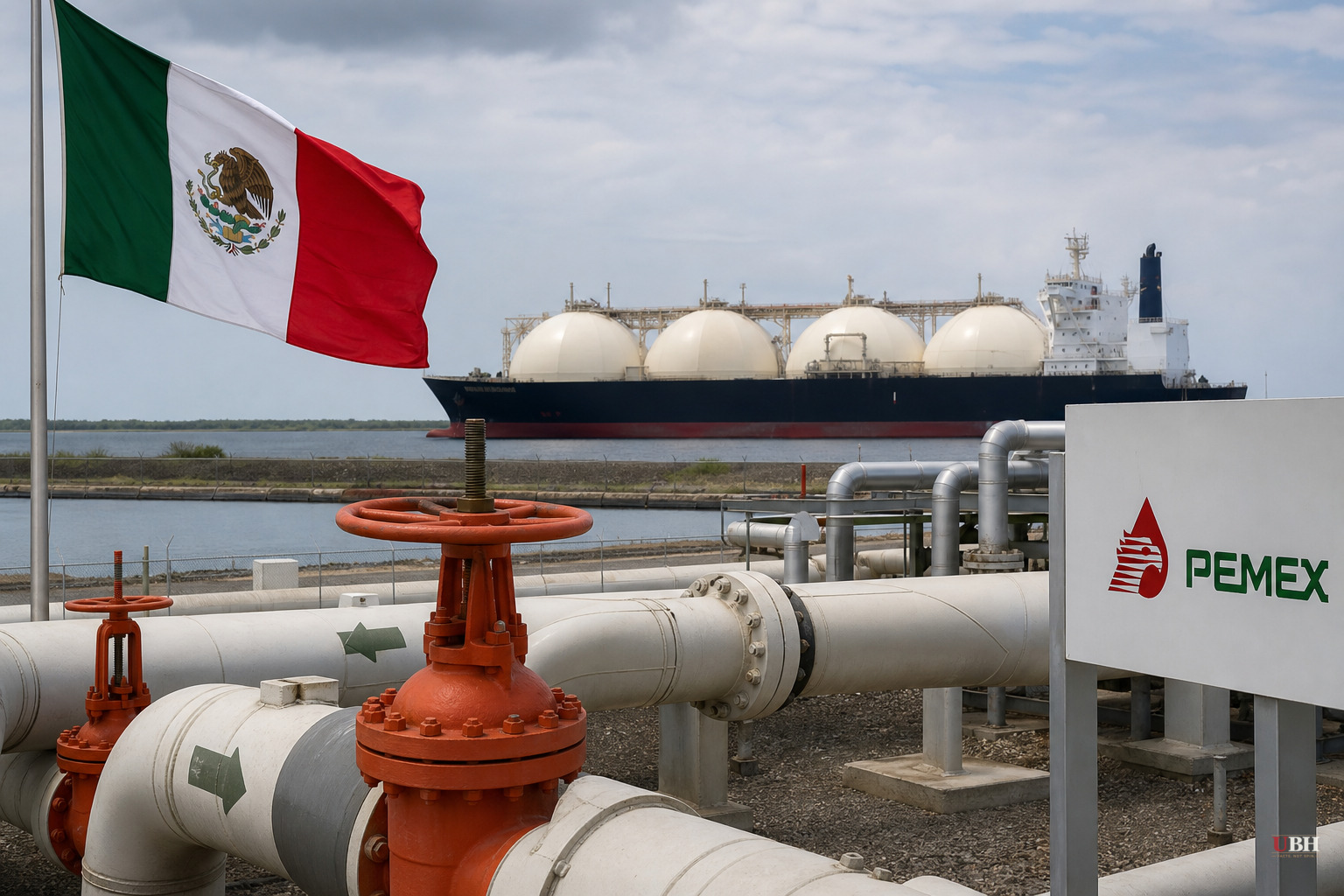
Mexican President Claudia Sheinbaum has drawn a line through one of the country's richest shale formations. Fracking will not happen in the Tampico-Misantla basin, which sits beneath Veracruz and Tamaulipas, according to OilPrice.com. The government's stated reasons: dense population centers, indigenous communities, and freshwater reserves that officials don't want to risk.
This isn't a small symbolic move. Tampico-Misantla is one of Mexico's key unconventional gas basins. Taking it off the table permanently narrows the country's options at the exact moment it's trying to figure out how to stop sending billions of dollars north to American gas producers every year.
Mexico currently buys more than 6.5 billion cubic feet per day of pipeline gas from the United States. That covers roughly 75% of domestic demand, according to OilPrice.com. That level of dependence leaves Mexico's power sector and industrial base exposed to whatever happens in U.S. gas markets, pipeline capacity, or politics.
Sheinbaum ordered a commission to study whether unconventional gas, meaning fracking, could help cut that number. The panel came back with a compromise: ramp up conventional gas production first, before touching shale. Even with that plan fully executed, Sheinbaum herself said Mexico's reliance on U.S. gas would only drop to about 50%. Getting further than that would require unconventional drilling somewhere.
The panel's proposed workaround is to limit any future fracking to basins with salt water rather than freshwater, which points toward northern shale formations instead of Tampico-Misantla. That leaves the door open for fracking in Mexico, just not in the basin the government just closed off.
Sheinbaum built her political brand in part on opposing fracking and calling out its environmental costs. That's a legitimate position; fracking does carry real water-use and contamination risks, and communities living above shale deposits have a fair claim to a say in whether drilling happens under their homes. Freshwater basins near population centers are a reasonable place to draw a line.
But the numbers don't care about campaign rhetoric. Mexico is bringing seven new combined-cycle power plants online, with five more planned, according to OilPrice.com. Every one of those needs natural gas to run. Pemex, the state oil company, expects to lift domestic production to just over 4 billion cubic feet per day by 2030. That's an improvement, but it's still nowhere close to replacing 6.5 billion cubic feet per day of imports, let alone covering new demand from those power plants.
Pemex is also carrying a mountain of debt while trying to reverse years of falling output. Asking a financially strained state oil company to suddenly ramp up conventional production on a timeline fast enough to matter is a big ask.
Mexico is sitting on an estimated 141.5 trillion cubic feet of unconventional gas resources, according to OilPrice.com, mostly concentrated in northern basins. That's the resource Sheinbaum's government is now signaling it might eventually tap, just not in Tampico-Misantla and not in freshwater zones.
The strongest case against fracking here is straightforward: communities sitting on top of these deposits didn't ask to host industrial drilling operations, and freshwater contamination risk is not hypothetical scaremongering. It's a documented concern in shale regions worldwide. Sheinbaum's government is at least trying to draw that line before drilling starts rather than after damage is done.
The strongest case against the current approach is just as straightforward: dependence on a foreign supplier for three-quarters of a strategic energy need is a national security and economic liability, and incremental conventional production increases don't close that gap on any realistic timeline. A country that wants energy independence eventually has to decide whether it's willing to develop the resources it has, or accept permanent reliance on its neighbor.
Right now Mexico is doing neither in full. It's ruling out fracking in one basin while quietly keeping the door open in others, boosting conventional output that won't be enough, and hoping the math works out better than the government's own commission says it will. The open question is whether Sheinbaum, having built her career on opposing fracking, is prepared to greenlight it in the northern salt-water basins the panel flagged, or whether Mexico settles into permanent 50% dependence on U.S. gas as the cost of keeping that campaign promise intact.
Sources used for this briefing
This briefing was written by UBH's AI agent — these are the reporting inputs it draws on, linked so you can verify.


