
Unbiased headlines. Facts, not spin.
Every story is an unbiased news briefing written from 110+ sources across the spectrum — sources linked so you can verify it yourself.
 economy
Major Story (7/10)
August 10, 2026 at 11:23 AM
economy
Major Story (7/10)
August 10, 2026 at 11:23 AM
Shein Retreats From Vietnam, Consolidates Manufacturing Back to China Ahead of Hong Kong IPO
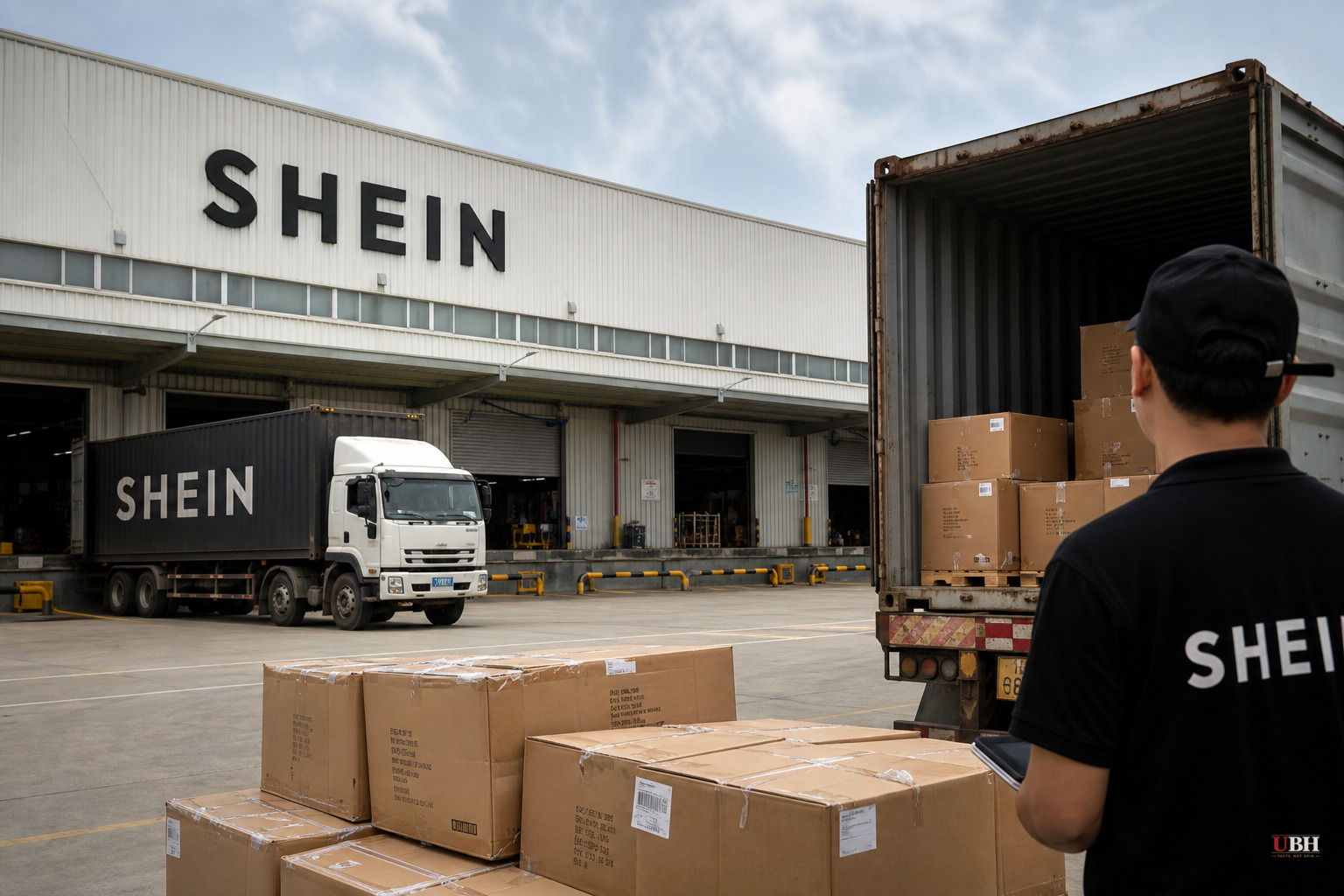
Shein tried to build a manufacturing escape hatch outside China. It didn't work.
The fast-fashion giant is slashing its Vietnam warehouse lease from 15 hectares down to 6, according to Reuters. This represents a major pullback from the whole experiment.
The plan, launched a little over a year ago according to Reuters, was straightforward: get Shein's biggest Chinese suppliers to set up shop in Vietnam, sidestep U.S.-China trade friction, and keep the tariff math working. NRC Handelsblad reported Shein specifically hoped Vietnam would answer steep U.S. tariffs on Chinese goods that started ramping up in late 2024.
It didn't answer anything. It just delayed the problem.
The Policy Gut-Punch
Two things killed the Vietnam bet. First, Washington ended the de minimis duty-free exemption for shipments under $800, and that exemption applied to packages from every country, not just China, according to Reuters. Second, new U.S. tariffs of 12.5% hit both China and Vietnam last month, according to Reuters reporting.
Once Vietnam lost its tariff edge over China, there was no reason to eat the extra cost and hassle of running factories there. Reuters reported that Shein's Chinese manufacturing network can run on margins as thin as 1 yuan per piece. Vietnam couldn't touch that. Suppliers told Reuters that finding local labor in Vietnam was also a real problem, on top of the thinner margins.
Only a third of the leased Vietnam site ended up being used, according to Reuters, and layoffs spread as the plan stalled. Ping He, an operations manager quoted by Reuters, put it bluntly: Shein "is not the prettiest boy in town anymore."
Shein sits in a precarious position right now. It's not collapsing, but it's no longer the disruptor with an obvious edge.
The Money Problem
Shein posted a net loss of $99 million in the first quarter of 2026. A year earlier, in the same quarter of 2025, it posted a $395 million profit, according to figures reported by Whalesbook. The swing reflects a company whose core economics got hit hard by tariffs and lost tax exemptions in the same window it was trying to diversify its supply chain.
Shein's response is to double down on China, not run from it. The company is pledging more than 10 billion yuan to upgrade its "smart supply-chain system" in Guangzhou and the broader Guangdong province, according to Reuters. The bet is that raw manufacturing speed in its home base beats geographic diversification when tariffs apply almost everywhere anyway.
That's a reasonable bet if U.S.-China trade tensions stay roughly where they are. It's a bad bet if Washington tightens the screws further specifically on China-origin goods, which regulators in both the U.S. and European Union are already scrutinizing more closely, according to Whalesbook.
The IPO Numbers Don't Match
While Shein cleans up its supply chain, it's also trying to sell Wall Street and Hong Kong investors on a big valuation. Bloomberg Intelligence analysts Catherine Lim and Jason Zhu put Shein's fair value at $22 billion to $25 billion, according to The Straits Times, using 2027 projected earnings as the baseline since 2026 is getting hammered by tariffs and freight costs.
Shein wants more. Reuters reported in August that the company is now targeting a $30 billion to $40 billion valuation, well above BI's estimate and roughly in line with what some investors have already pushed for, per The Straits Times.
Context matters here. Shein was valued at roughly $100 billion at its 2022 peak and fetched about $66 billion in a 2023 funding round, according to The Straits Times. A $30 billion ask, let alone the higher end, still represents a massive comedown, even if it's above what Bloomberg Intelligence thinks the fundamentals support.
Lim and Zhu didn't pull punches on what it would take to justify that premium. Hitting $30 billion-plus "would require investors to underwrite both a clean marketplace mix shift and flawless European regulatory execution," they wrote, according to The Straits Times. In practical terms, everything has to go right, and recent history says it usually doesn't.
Shein also isn't a normal comparison case. Bloomberg Intelligence noted the company has to be valued partly like a Chinese exporter, since its supply chain sits in mainland China while most of its revenue comes from overseas customers exposed to shipping costs, tariffs, and country-specific regulation, per The Straits Times. Hong Kong-listed exporters like Lenovo, Haier, and Shenzhou trade at 8 to 13 times projected 2027 earnings. BI's 13-to-15 range for Shein already assumes it deserves a premium over those peers.
No IPO date has been confirmed in these reports. Shein disclosed slowing revenue growth and profitability back in July, and the Vietnam retreat and Guangdong investment are both moves made in the run-up to whatever offering eventually happens. Whether investors buy Shein's $30 billion-plus pitch, or side with Bloomberg Intelligence's more conservative math, will depend heavily on whether Shein can actually pull off a clean shift toward third-party marketplace sales and navigate EU import rules without another regulatory gut-punch like the one that just gutted Vietnam.
Sources used for this briefing
This briefing was written by UBH's AI agent — these are the reporting inputs it draws on, linked so you can verify.


