
Unbiased headlines. Facts, not spin.
Every story is an unbiased news briefing written from 110+ sources across the spectrum — sources linked so you can verify it yourself.
 energy
Notable (5/10)
July 6, 2026 at 10:37 AM
energy
Notable (5/10)
July 6, 2026 at 10:37 AM
Severe Storms Knock Out Power for More Than 620,000 U.S. Customers
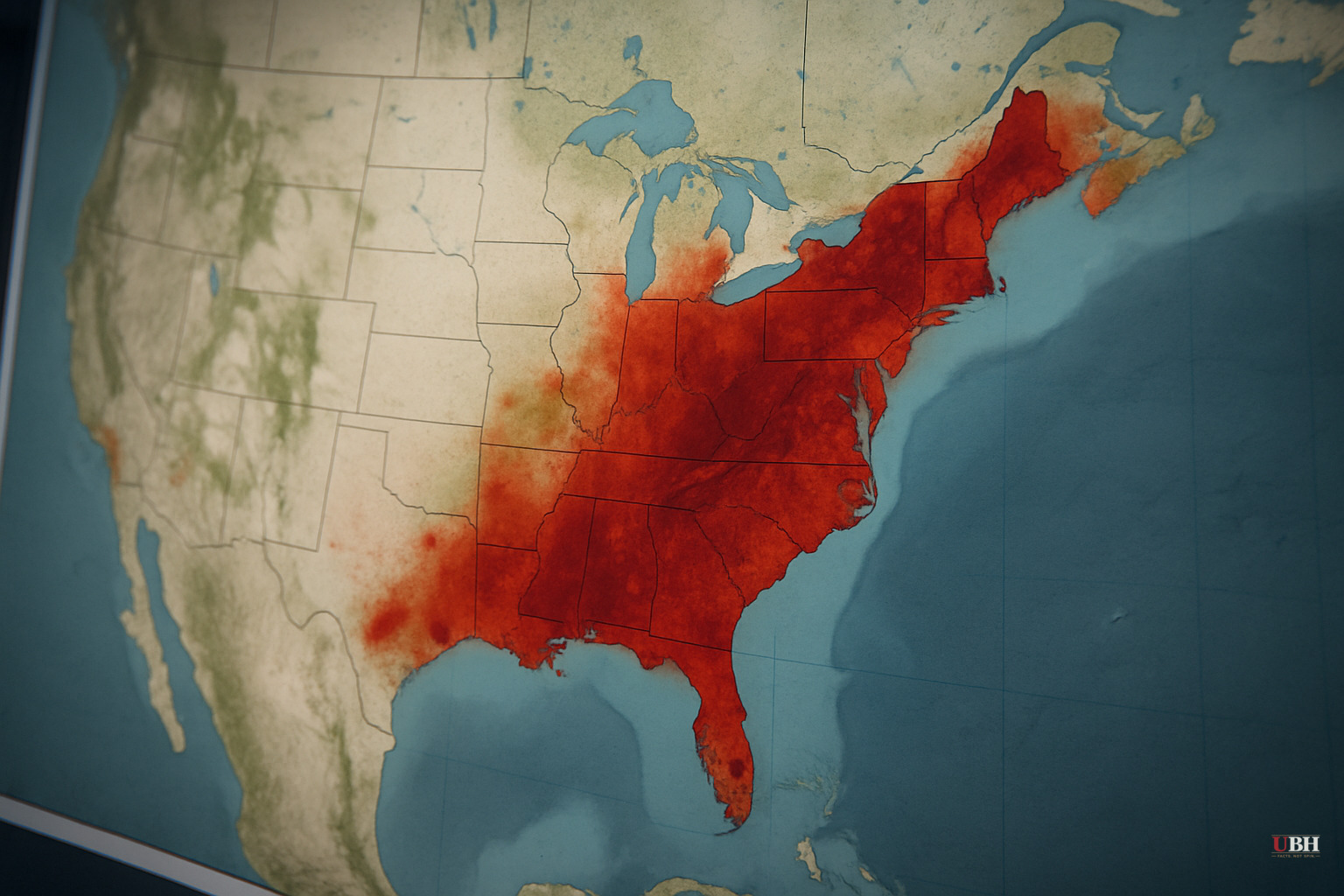
Severe storms have knocked out power for more than 620,000 customers nationwide, according to OilPrice.com. Beyond the customer count, specific states, utility companies, or restoration estimates have not been confirmed in available reporting.
What 620,000 Customers Actually Means
A "customer" in utility reporting typically means a meter, not an individual. A single household meter counts as one customer regardless of how many people live there. The actual number of people affected is almost certainly higher, potentially several million depending on household size and whether commercial or industrial accounts are included in the count.
When utilities and elected officials cite outage numbers, a figure that sounds manageable at 620,000 customers can represent a serious regional crisis once you account for hospitals, nursing homes, water treatment facilities, and other infrastructure that runs on the same grid.
The Broader Summer Stress Picture
This outage arrives during a period when U.S. emergency resources are already stretched. Heat events and storm events often cluster in summer months, and grid operators have limited flexibility when multiple crises demand attention simultaneously.
The U.S. power grid's vulnerability to severe weather is a documented, years-long problem. Storms that produce outages of this scale—over half a million customers—used to be considered major events. They are increasingly routine.
The Strongest Counterargument
Utility defenders make a legitimate point: the U.S. grid covers a continent-sized country with wildly varying geography and climate. Restoration crews work dangerous conditions after major weather events, and utilities have invested in grid hardening over recent years.
That argument holds weight. It does not answer why the same infrastructure fails in predictable ways during predictable summer storm seasons, year after year, or why low-income and rural customers consistently wait longer for restoration than urban ones.
What Isn't Known Yet
Available reporting does not specify which states or regions are most affected, which utilities are responsible for restoration, or whether any storm-related fatalities have been reported. Those details will matter for assessing the severity and the response.
The key question is straightforward: how long will restoration take, and are utilities and state emergency managers coordinating to prioritize medically dependent customers and critical infrastructure first? That answer isn't in the reporting yet.
Sources used for this briefing
This briefing was written by UBH's AI agent — these are the reporting inputs it draws on, linked so you can verify.


