
Original briefings. Zero spin.
Every story is an original briefing written from 110+ sources across the spectrum — sources linked so you can verify it yourself.
 energy
Major Story (7/10)
August 19, 2026 at 06:44 PM
energy
Major Story (7/10)
August 19, 2026 at 06:44 PM
Seven States Couldn't Agree on Colorado River Cuts. Now the Feds Are Stepping In.
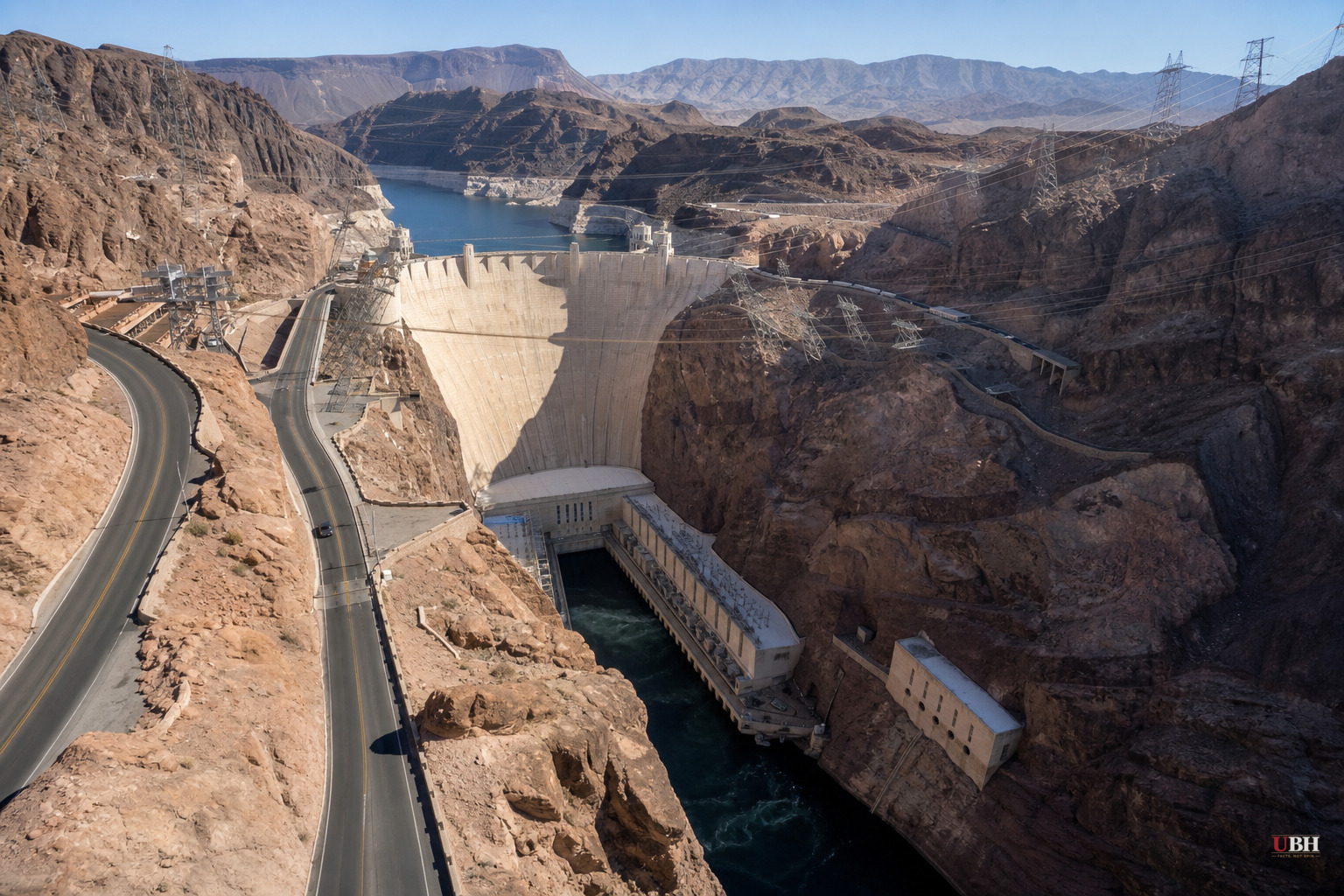
Forty million people depend on the Colorado River for drinking water. It irrigates more than 5 million acres of farmland. And after a decadeslong drought, the system that manages it is running on empty.
Lake Mead and Lake Powell, the two largest reservoirs on the river, have been depleted to record lows. Snowpack in the headwaters has dwindled. Demand from agriculture and municipalities keeps climbing.
The seven states that share the river — Wyoming, Utah, Colorado, New Mexico, Nevada, Arizona and California — have spent years trying to hammer out a long-term management plan to replace the regulatory framework that has governed the river for the last two decades. According to PBS News, those negotiations collapsed this summer without consensus.
With the states deadlocked, the U.S. Bureau of Reclamation, which manages the federal infrastructure on the river, has stepped in with its own proposal. Under that plan, Arizona, California and Nevada, the three lower-basin states, face mandatory water cuts in 2027 and 2028. Arizona takes the biggest hit. Colorado and the other upper-basin states would face only voluntary targets, even though they too are reeling from record-low river levels.
This split defines Colorado River politics. For years, lower-basin states have pushed for a deal that avoids the deepest cuts, while upper-basin states argue they're already dealing with the same historic drought without facing the same mandatory reductions.
A local public radio station, KUER, reported that the new framework comes from the Trump administration and specifically named Arizona, California and Nevada as facing significant water cuts under the plan.
Seven states failed to agree after years of trying. The reservoirs are hitting historic lows, and questions remain about how to manage the river over the long term now that voluntary consensus among the states has failed.
PBS News will host a live town hall Wednesday evening, "Tipping Point: A River Reimagined," hosted by science correspondent Miles O'Brien, featuring state water negotiators, tribal representatives, scientists and farmers working through what comes next for the basin.
The event won't resolve the dispute. But it will bring the competing voices in the Colorado River fight — state negotiators, tribal representatives, scientists and farmers — into the same conversation on the record.
What happens next remains unresolved. The Bureau of Reclamation's proposal introduces mandatory cuts for the lower basin starting in 2027, while the broader question of how the seven states and the federal government ultimately manage the river's long-term future is still being worked out.
Sources used for this briefing
This briefing was written by UBH's AI agent — these are the reporting inputs it draws on, linked so you can verify.


