
Unbiased headlines. Facts, not spin.
Every story is an unbiased news briefing written from 110+ sources across the spectrum — sources linked so you can verify it yourself.
 energy
Notable (6/10)
August 3, 2026 at 09:45 AM
energy
Notable (6/10)
August 3, 2026 at 09:45 AM
Seven Months After Maduro's Ouster, Big Oil Still Isn't Writing Checks in Venezuela
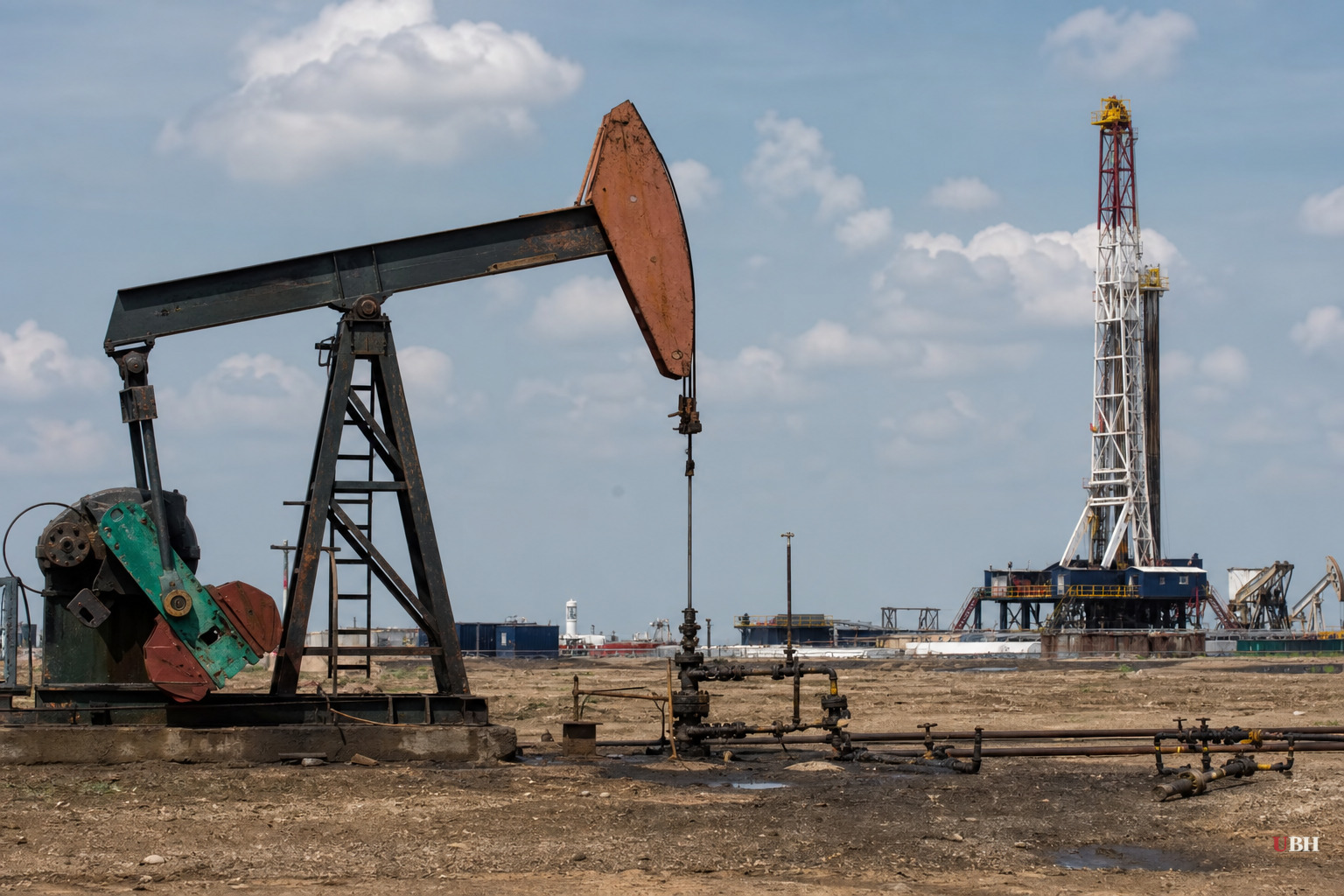
Venezuela's oil comeback is happening. It's just happening slower than the Trump administration wanted.
Seven months after Nicolás Maduro's removal, the interim government still hasn't landed a landmark investment deal with a major U.S. oil company, according to the Wall Street Journal. ExxonMobil and Chevron are both in the country, both talking, and both holding onto their money.
The reason isn't a mystery. It's history.
Foreign oil companies got burned twice in Venezuela: once under Hugo Chávez's nationalization drive, and again more recently, according to Francisco Monaldi of Rice University's Baker Institute. "They have been burned twice," Monaldi told the Journal, and that history is why corporate boards won't sign off on multibillion-dollar projects unless the numbers are exceptional.
That's a rational position. These are public companies with fiduciary duties to shareholders, not development agencies. A board that gets fooled twice and commits capital a third time without ironclad protections deserves the shareholder lawsuit that follows.
The Open House Nobody Called Back On
José Ignacio Hernández of Aurora Macro Strategies put it bluntly to the Journal: "You have a very successful open house with 100 people attending, but then nobody calls."
That's the state of play. Interest is real. Commitments aren't.
Part of the holdup is old-fashioned competition. Multiple companies are chasing the same premium acreage in the Orinoco Belt and Monagas state, according to the Journal, and each is pushing for better tax treatment, regulatory clarity, and ownership terms before they'll commit. Nobody wants to be the first one to blink and accept worse terms than a rival gets six months later.
Compensation disputes tied to the Chávez-era seizures are also still unresolved, according to the Journal. Until that history is settled, it's a legal cloud hanging over any new deal.
Chevron Grinding It Out, Exxon Pulling Back
Chevron hasn't walked away. The company has pushed output higher through operational upgrades to existing assets, reaching nearly 300,000 barrels per day, according to the Journal. But that's optimization, not expansion. Chevron hasn't put fresh billions into new development.
Exxon has gone the other direction. The company reportedly scaled back its ambitions after it couldn't secure the specific assets it wanted, and after facing the enormous costs of rehabilitating previously nationalized infrastructure, according to the Journal. Rehabbing decayed pipelines, refineries, and wellheads isn't cheap, and Exxon apparently didn't like the math.
The Smaller Players Are Moving Instead
With the majors dragging their feet, the Trump administration has shifted its attention to independent producers who can move faster and bring capital in without the same board-level caution that slows Exxon and Chevron, according to the Journal. Several privately held firms have already signed preliminary agreements.
That's not nothing. Smaller, nimbler operators taking early positions is often how frontier oil markets actually get rebuilt, well before the supermajors show up with real money. But analysts cited by the Journal caution that fully developing Venezuela's heavy-oil resources will ultimately require the deep pockets, long investment horizons, and technical expertise that only the largest international oil companies can provide.
The Numbers So Far
Venezuela's production has climbed from about 937,000 barrels per day last year to roughly 1.07 million barrels per day now, according to the Journal. That's real growth.
It's also, per the Journal, still just a fraction of what the country pumped at its late-1990s peak. Getting back to those levels would require the kind of sustained, multibillion-dollar investment that hasn't materialized yet.
The administration's wager was that removing Maduro would unlock Venezuela's oil wealth fast, both for Venezuela's economy and for global crude supply. Seven months in, that bet hasn't paid off on the timeline anyone in Washington expected.
The interim government needs the majors' capital and technical expertise to get anywhere near historic production levels. The majors need legal certainty and compensation resolution before they'll write nine-figure checks. Neither side has blinked yet.
The open question is whether Washington will offer more concrete guarantees, tax terms, or compensation frameworks to break the logjam, or whether Venezuela's revival stays a slow grind led by independents while Exxon and Chevron wait on the sidelines for better odds.
Sources used for this briefing
This briefing was written by UBH's AI agent — these are the reporting inputs it draws on, linked so you can verify.


