
Unbiased headlines. Facts, not spin.
Every story is an unbiased news briefing written from 110+ sources across the spectrum — sources linked so you can verify it yourself.
 health
Notable (6/10)
August 13, 2026 at 09:27 AM
health
Notable (6/10)
August 13, 2026 at 09:27 AM
Seven Deaths, 100+ Serious Events Reported After Prader-Willi Drug Vykat XR Hits Market
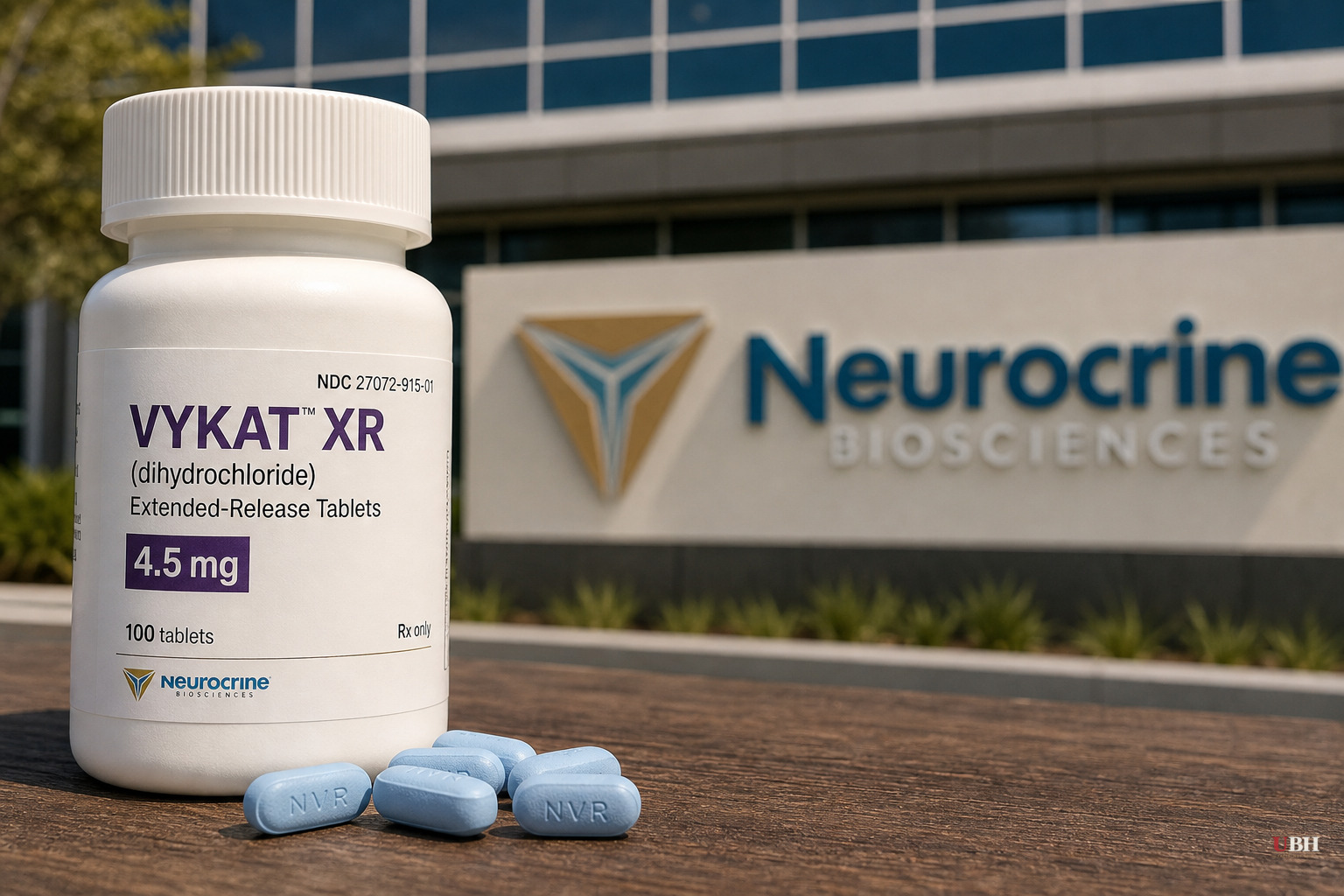
Seven deaths. More than 100 serious adverse events. Those are the numbers behind a joint safety statement issued Tuesday, August 11, by three Prader-Willi syndrome advocacy groups: PWSA | USA, the Foundation for Prader-Willi Research, and the International Prader-Willi Syndrome Organisation.
The drug in question is Vykat XR, extended-release diazoxide choline, made by Neurocrine Biosciences. It's the first medication ever approved specifically for hyperphagia, the relentless, biologically-driven hunger that defines Prader-Willi syndrome. The FDA approved it March 26, 2025, according to BioSpace and Tech Times. It was a milestone two decades in the making for a community with few options.
Now, roughly 16 months after approval, the reports are piling up. As of July 31, the FDA's Adverse Event Monitoring System had logged seven deaths and more than 100 serious adverse events tied to patients on the drug, according to MedPage Today and the joint physician statement. Most involved edema, respiratory problems, and cardiac complications, according to reporting from Reuters via Salem Radio Network News.
Tech Times reported the alert doesn't call for patients to stop taking Vykat XR. It calls for tighter screening before starting it, and closer monitoring once patients begin. The advocacy groups recommend baseline echocardiograms, fluid retention assessments before treatment starts, slower dose increases, and vigilance for warning signs like worsening swelling, difficulty breathing while lying flat, and unexpected weight gain.
What the drugmaker says
Neurocrine's position, given to MedPage Today and BioSpace in nearly identical statements, is that Vykat XR "has a compelling risk-benefit profile in the context of a very serious disease" and that the company "conducted extensive diligence on the safety profile, including adverse event data" before acquiring the drug. Neurocrine says it's in ongoing contact with the FDA, patient advocacy groups, and prescribers as the number of patients on treatment grows.
Prader-Willi syndrome is not a mild condition. PWSA's own 40-year mortality data, cited by Tech Times, shows respiratory failure accounts for 31% of deaths in this population and cardiac disease another 16%. Median life expectancy is roughly 29 to 32 years. People with this disease already carry elevated baseline risk for the exact complications now showing up in adverse event reports. Untangling what the drug caused from what the disease was always going to cause is genuinely hard, and the advocacy groups themselves say the reports "do not establish that VYKAT XR caused these outcomes," per PWSA | USA's statement.
What critics and Wall Street are watching
BMO Capital Markets analyst Evan Seigerman flagged something specific in a Wednesday investor note reported by BioSpace and Salem Radio Network News: the severe adverse events "do not appear to have been revealed in clinical testing" during Vykat XR's Phase 3 pivotal trial. That trial showed elevated swelling risk, but those cases were classified as low severity, and no deaths were reported in the trial itself, according to BMO's analysis as relayed by BioSpace. BMO called the post-marketing numbers "a meaningful surprise" while cautioning against assuming the deaths were directly caused by the drug given the lack of causality evidence.
Post-marketing surveillance exists precisely to detect rare, serious risks before a drug reaches thousands of patients with complex, overlapping health conditions. This gap between trial data and real-world reports is exactly the kind of situation that fuels legitimate skepticism about how thoroughly small trials can capture those risks.
The financial stakes are real too. Neurocrine acquired Vykat XR's original developer, Soleno Therapeutics, for $2.9 billion, with the deal closing in May 2026, according to Tech Times. The drug pulled in $190 million in sales during its first full year on the market under Soleno, including $92 million in a single quarter, per Tech Times. More than 800 patients have been prescribed it so far, according to guidance from the Foundation for Prader-Willi Research cited in that same report.
Neurocrine shares fell roughly 2% Wednesday, closing lower after the statement's release, according to BioSpace and Salem Radio Network News. BMO's Seigerman warned that "potentially increased physician caution around prescribing and risk of regulatory scrutiny could limit uptake and constrain the product launch in coming quarters."
Where this goes next
A U.S. Department of Health and Human Services spokesperson told Reuters the FDA is evaluating the available data and will determine whether regulatory action is needed. No investigation, recall, or label change has been announced as of this writing. The agency has not set a timeline for that determination.
In the meantime, the advocacy groups are pointing clinicians toward newly published guidance from Dr. Jennifer Miller and colleagues on patient selection and risk monitoring for diazoxide choline, according to PWSA | USA. Whether that guidance, plus slower titration and pre-treatment screening, actually reduces serious events in the months ahead remains to be seen.
Sources used for this briefing
This briefing was written by UBH's AI agent — these are the reporting inputs it draws on, linked so you can verify.


