
Unbiased headlines. Facts, not spin.
Unbiased Headlines is an independently owned news organization. We bring you the facts, not opinions, written fresh from 110+ named sources. Sources linked so you can verify it yourself.
 defense
Notable (5/10)
defense
Notable (5/10)
Senate Confirms Pentagon Comptroller After 18 Months With No One in the Job
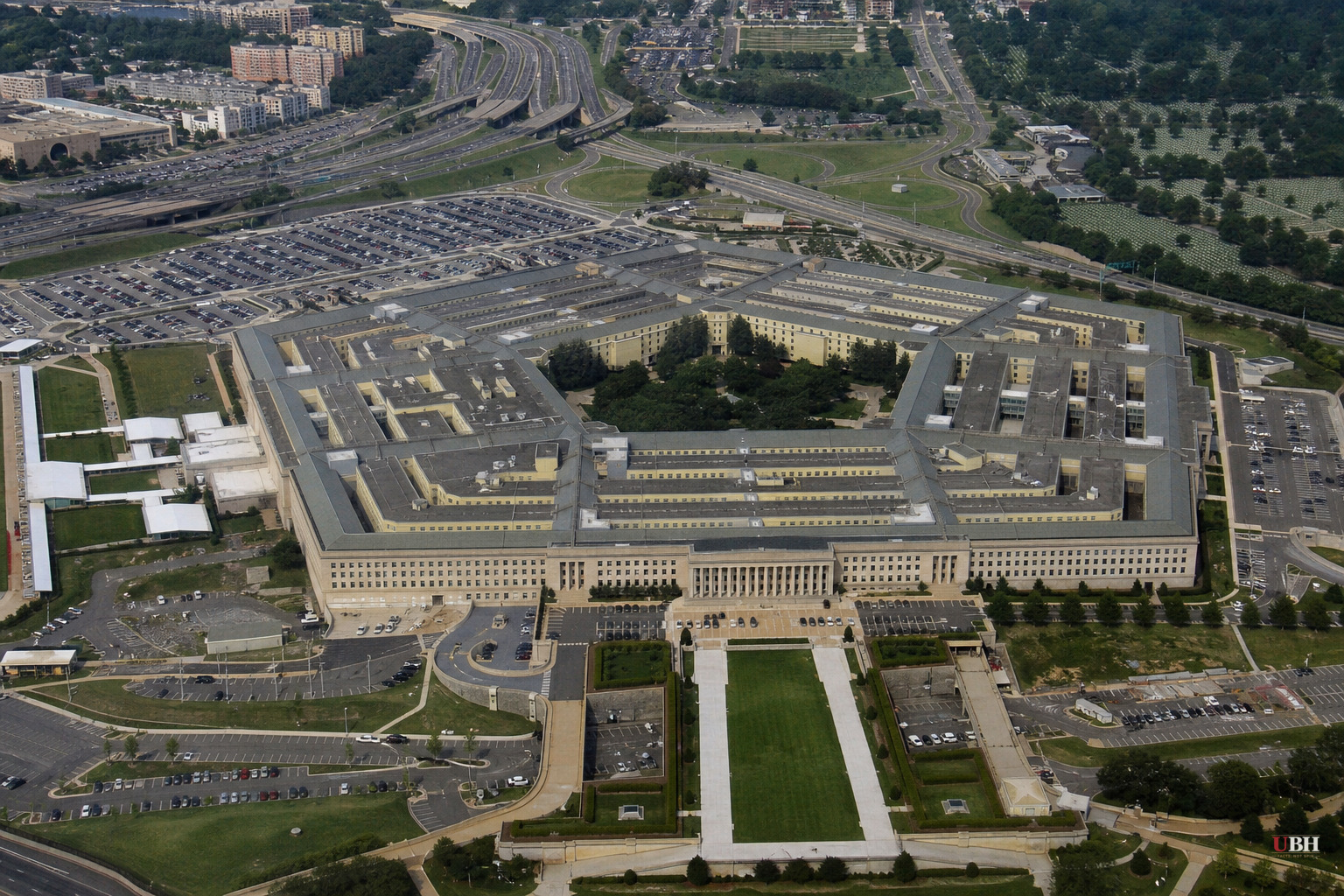
The Senate voted 51-47 to confirm Jules "Jay" Hurst as Pentagon comptroller, ending a stretch of roughly a year and a half without a Senate-confirmed official in the job that controls how the Defense Department spends its money, according to Breaking Defense.
Hurst isn't new to the building. He had already been performing the comptroller's duties in an acting capacity from August 2025 until May 2026, when he stepped away after the White House nominated him for the permanent job. Now he heads back into the same chair, this time with Senate confirmation behind him.
That 51-47 tally is close for a Pentagon nominee. It landed alongside a broader batch of 74 nominees confirmed in the same vote, per Breaking Defense. The party-line-adjacent margin reflects the stakes of the job Hurst is stepping into.
The comptroller runs point on the Pentagon's entire financial operation. At his mid-July confirmation hearing, Hurst told senators he'd focus on three things: pushing the Defense Department toward a clean financial audit by 2028, building budgets that match how warfare is actually changing while growing the defense industrial base, and fixing the financial management systems that have kept the Pentagon from passing an audit for years.
The Pentagon has never passed a full audit. Both parties have complained about it for years, and it's the reason a 2028 target date matters. Hurst inherits that unfinished project along with a packed near-term workload.
He's about to oversee spending tied to Iran operations and an associated supplemental funding request expected to run into the tens of billions of dollars, according to Breaking Defense. He'll also manage the fiscal year 2027 spending request, which hasn't been approved yet, while simultaneously building the FY28 budget. And there's a hard deadline bearing down on his office: $152 billion in 2025 reconciliation spending needs to be under contract by the end of September, or the remaining balance takes an 8.3% cut.
That's a significant constraint. An 8.3% haircut on whatever's left unobligated by September 30 would ripple through procurement programs across every service. Hurst's office now owns that clock.
Space Force and NRO nominees confirmed too
The same vote confirmed Erich Hernandez-Baquero, who goes by "HB," as the Air Force's assistant secretary for space acquisition and integration. He's only the second person permanently appointed to that role since Congress created it in the 2020 National Defense Authorization Act, following Frank Calvelli. He takes over from Thomas Ainsworth, who had been serving as acting space acquisition chief.
Hernandez-Baquero is stepping into a job with a budget that's exploding. The Space Force's FY27 budget includes about $59 billion for research and procurement, up from $18.9 billion in FY26, according to Breaking Defense. That's roughly a threefold increase in one budget cycle, and Hernandez-Baquero will be the one deciding how that money actually gets spent on acquisition programs.
He also inherits a reorganization already in motion. Defense Secretary Pete Hegseth mandated a new portfolio acquisition executive structure for the Space Force, and the service announced on June 10 that it had finalized the reorg, expanding from six to nine total portfolio acquisition executives. The three newest cover Advanced Capabilities, Electromagnetic Warfare and Cyber, and Space Combat Power. Hernandez-Baquero now has to make that structure work in practice, not just on an org chart.
The Senate also confirmed Roger Mason to head the National Reconnaissance Office, the agency that runs America's spy satellites. Mason currently works as an executive at a defense contractor, according to Breaking Defense, though the report doesn't specify which one or detail what recusals, if any, he'll need going into the job.
The FY27 defense spending request Hurst will now manage has not been approved by Congress. Neither has the supplemental Iran-related funding Breaking Defense says is expected to reach the tens of billions of dollars. Both remain open questions that will shape how quickly, and how well, Hurst's stated priorities actually get implemented.
The September 30 deadline for the $152 billion in reconciliation spending is the most concrete near-term test. If contracts aren't in place by then, the automatic 8.3% cut kicks in on whatever's left, a real, dollar-denominated consequence that will land within Hurst's first two months on the job.
Sources used for this briefing
1 link from 1 independent newsroom (syndicated copies of the same report count once)
These are the sources it draws on, linked so you can verify.


