
Unbiased headlines. Facts, not spin.
Every story is an unbiased news briefing written from 110+ sources across the spectrum — sources linked so you can verify it yourself.
 defense
Notable (5/10)
July 23, 2026 at 08:52 PM
defense
Notable (5/10)
July 23, 2026 at 08:52 PM
Selective Service System Shops for Draft-Simulation Software Ahead of December Auto-Registration Deadline
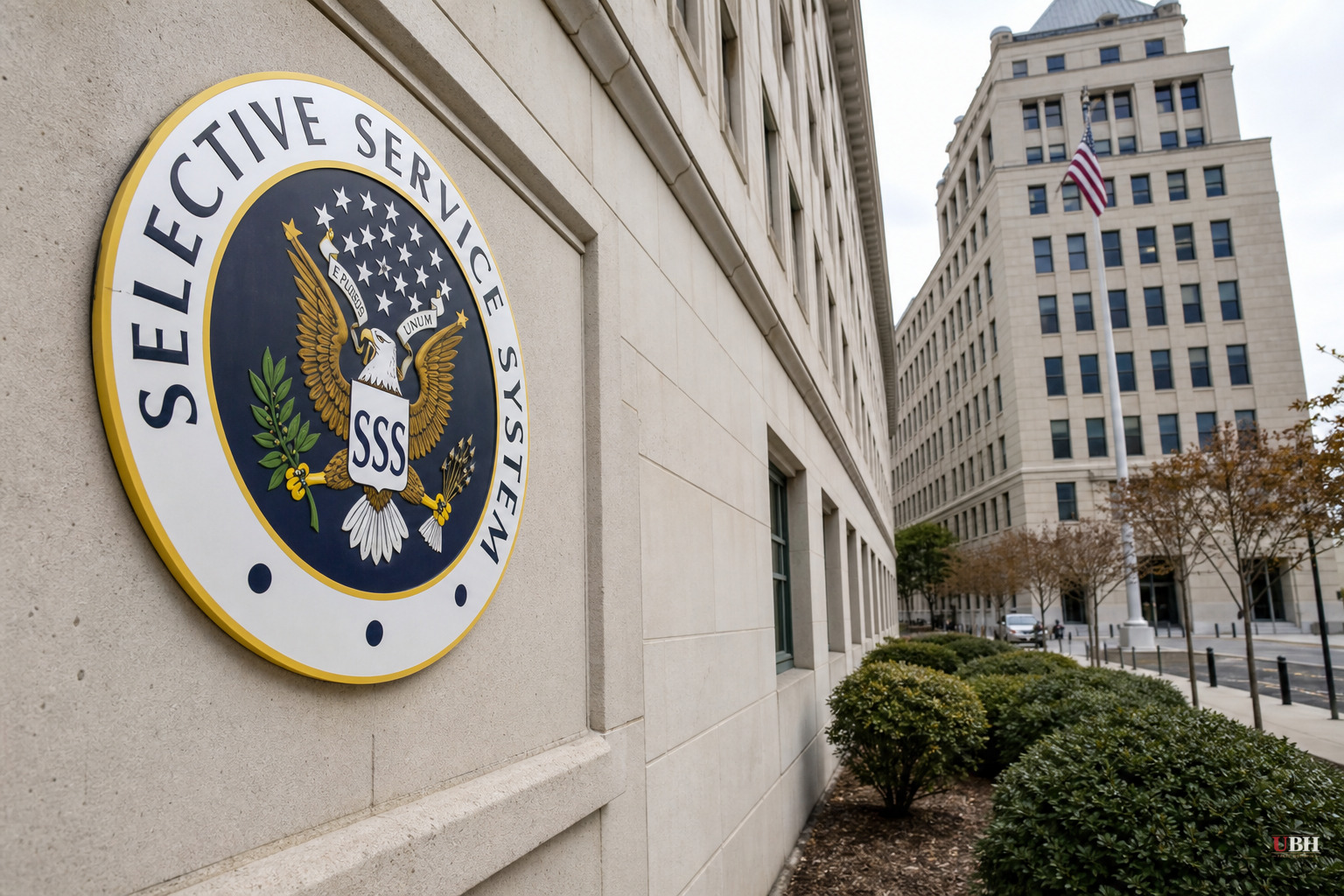
The Selective Service System quietly posted a request for quotes on Wednesday, asking software vendors to help it simulate personnel needs in the event of a military draft, according to Defense One. The U.S. military has been all-volunteer since 1973. But SSS, an independent federal agency, still maintains a registration list of men aged 18 to 25 and a separate database of workers with professional health-care licenses who could be tapped in an emergency.
The RFQ asks for readiness simulation software that can model different mobilization and policy scenarios, assess the operational strain of surge conditions, flag potential bottlenecks, and support executive planning, according to Defense One. This is bureaucratic housekeeping, not a signal that a draft is coming. SSS is a planning agency. Its job is to be ready if Congress and the president ever decide a draft is necessary, not to predict when that might happen.
Quotes are due by 2 p.m. Eastern on Aug. 14, per Defense One. Vendors have until 2 p.m. Eastern on Tuesday, July 28, to submit questions about the request.
The bigger change: automatic registration
The timing of this software search lines up with a real structural shift. As of Dec. 18, the requirement for young men to register themselves with Selective Service will effectively be replaced by automatic registration, pulling data from other federal databases, according to Defense One. Right now, draft-eligible men have to fill out a form. After that date, most of them likely won't have to.
Automatic registration means fewer eligible men falling through the cracks and losing access to federal benefits, student aid, and government jobs that require proof of registration. It also means the government's list of draft-eligible men becomes more accurate and complete. A bigger, more reliable dataset requires modeling tools that can actually use it.
Nobody should read a request for quotes as evidence of an imminent draft. There is no indication in any of the reporting that the Pentagon or Congress is moving toward reinstating conscription. This is an agency updating its planning tools to match an upcoming change in how it collects data.
A separate story got bundled into this coverage, and it shouldn't have been
One of the source reports carried by Defense One, credited to Patrick Tucker, actually covers a different and unrelated matter: a Government Accountability Office report on weapons-transfer tracking gaps for Ukraine aid. That GAO report found the State Department authorizes third-party weapons transfers to Ukraine in about 12 days on average, but the Defense Department often doesn't learn about those authorizations until the equipment shows up in Ukraine, according to the GAO. The Pentagon's inspector general has not found systematic diversion of U.S. weapons, but the tracking gaps have given lawmakers ammunition to argue for cutting off aid, including Vice President JD Vance, according to Defense One's reporting on the GAO findings.
That's a legitimate story about oversight and accountability in the Ukraine aid pipeline. It has nothing to do with Selective Service software. The overlap in these source materials appears to be an editorial or archival mixup rather than any actual connection between the two policy areas.
A third piece of reporting, from Government Executive, covers the Supreme Court's decision not to hear Allstates Refractory Contractors v. Su, a case challenging OSHA's regulatory authority. Justices Neil Gorsuch and Clarence Thomas noted they would have taken the case, according to Government Executive. That's also unrelated to Selective Service, though it speaks to a broader pattern of federal agencies operating with wide latitude that Congress granted decades ago and courts have been reluctant to revisit.
What's actually unresolved
The practical question worth watching is how SSS handles the transition to automatic registration in December. Pulling from other federal databases to register men without their direct input raises questions about data accuracy, notification, and what happens if someone is misclassified or missed. SSS has not detailed publicly, in the material reviewed here, exactly which federal databases it will draw from or how errors will be corrected. That's the detail to watch as the Dec. 18 deadline approaches and as SSS evaluates vendor responses to its Aug. 14 quote deadline.
Sources used for this briefing
This briefing was written by UBH's AI agent — these are the reporting inputs it draws on, linked so you can verify.


