
Unbiased headlines. Facts, not spin.
Every story is an unbiased news briefing written from 110+ sources across the spectrum — sources linked so you can verify it yourself.
 economy
Notable (6/10)
August 10, 2026 at 04:24 AM
economy
Notable (6/10)
August 10, 2026 at 04:24 AM
Seattle Proposes Ban on AI-Driven Grocery Price Discrimination
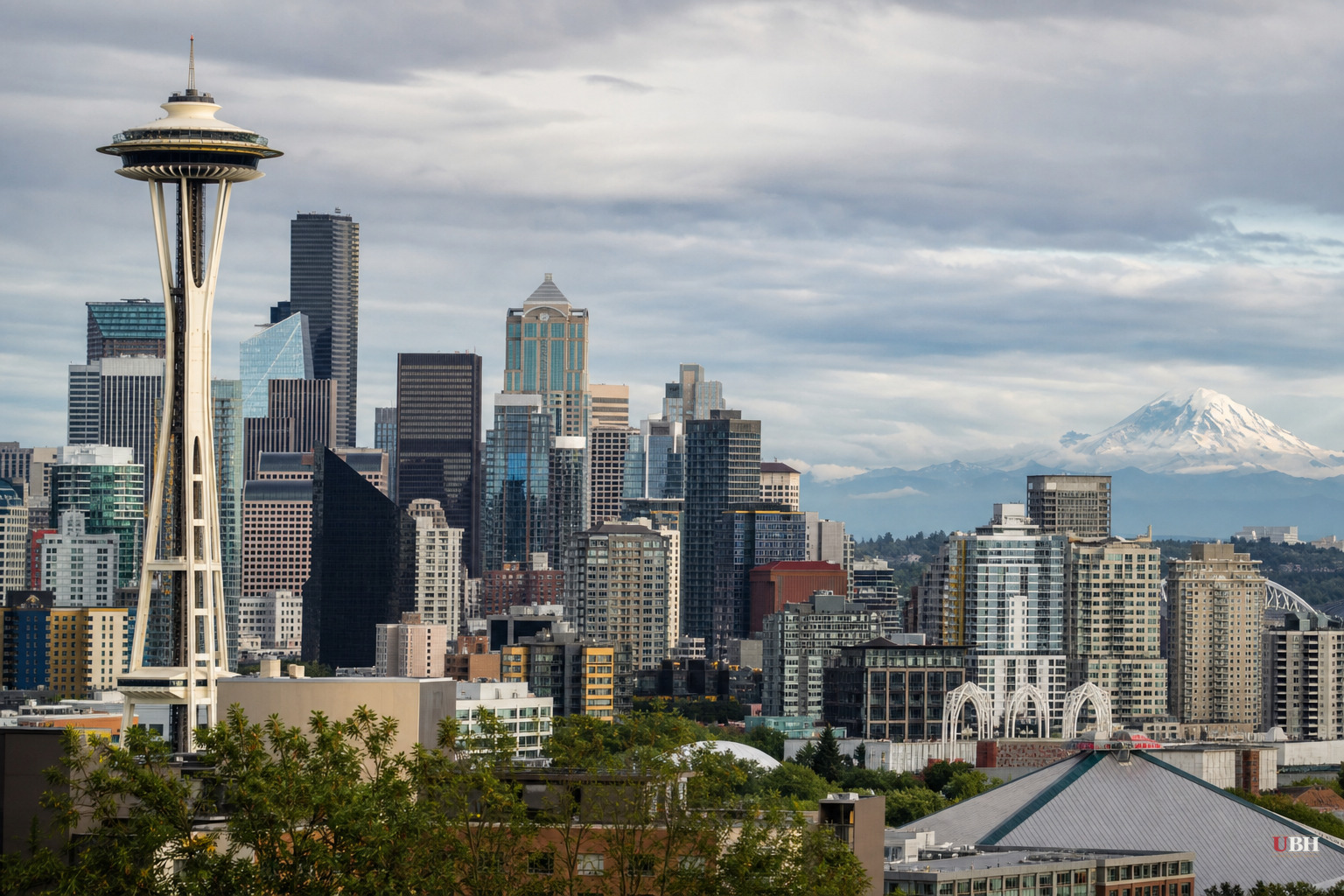
Seattle officials are moving on a proposal that would stop large grocery chains from charging different shoppers different prices for the same product based on personal data.
The ordinance is backed by Mayor Katie Wilson along with City Councilmembers Alexis Mercedes Rinck and Dionne Foster. According to Wilson's office, it would bar retailers from using browsing history, social media activity, employment status, race, gender, or chatbot interaction data to set individualized prices.
Stores would still be allowed to offer standard discounts. Senior discounts, veteran discounts, and loyalty program pricing are explicitly carved out, as long as they're transparent and available to anyone who qualifies. What the ordinance targets is hidden, algorithm-driven pricing where two people buying the identical item at the identical register might pay different amounts because a system decided one of them would tolerate a higher price.
"This policy stops corporations from using personal data to squeeze more money out of shoppers," Wilson said, according to her office's announcement. "The same product, in the same store, should cost the same no matter who's pushing the cart."
The push didn't come out of nowhere. It follows a Consumer Reports investigation that found Instacart had tested AI pricing systems capable of charging different customers different prices for identical grocery items. It also lands months after Washington's attorney general sued Albertsons over "buy one, get one" promotions the state alleges didn't actually lower prices for consumers.
Councilmember Rinck framed the ordinance as a guardrail, not a ban on data use generally. She argued it matters more now because households are absorbing higher food costs while some are also seeing reduced SNAP benefits. Foster made a similar point, saying shoppers "shouldn't have to wonder whether they're being charged extra because of an algorithm."
Labor groups are on board too. UFCW 3000 President Faye Guenther accused grocery chains of deploying what she called "AI-powered surveillance pricing tech" to manufacture "fake discounts" — discounts that look like savings but are calibrated against a customer's individual profile rather than a genuine markdown.
The Case For It
There's a legitimate consumer protection argument here that doesn't require any particular political lean to accept. If two shoppers buy the same gallon of milk and one pays more purely because a company's algorithm profiled them as less price-sensitive, that's a straightforward information asymmetry problem. Customers can't shop around against a price they can't see and don't know exists. A posted, uniform price that everyone can verify is the entire point of price transparency, and it's hard to argue against people knowing what they're being charged and why.
The Instacart finding cited by Consumer Reports and the Albertsons lawsuit from Washington's AG are both concrete, sourced data points, not hypotheticals. There's a documented instance of a company testing individualized pricing and a live legal case alleging deceptive discount claims.
The Case Against It, Fairly Stated
The strongest pushback would come from retailers and free-market critics who'd argue this is a solution looking for a bigger problem than currently exists. Grocery margins are notoriously thin — often in the low single digits — and dynamic pricing tools are also used for legitimate purposes like reducing food waste by discounting items nearing expiration, or matching local competitor prices in real time. A blanket ordinance drafted by city council could sweep up pricing flexibility that actually helps consumers, not just the kind that hurts them.
There's also a compliance-cost argument. Seattle would be the first U.S. city to adopt a rule like this, according to Wilson's office, which means grocery chains operating there would need new systems, audits, and legal review specific to one city, on top of whatever national pricing infrastructure they already run. Smaller regional chains without deep compliance budgets could feel that more than national players like Kroger or Albertsons.
Neither of those objections has been raised yet in a public, on-record statement from a specific grocery chain or industry group in Seattle, based on available reporting. This is currently a one-sided debate, with backers making their case publicly and no named retailer pushing back yet.
What Happens Next
The ordinance still has to go through the Seattle City Council process, including committee review and a public vote, before it could take effect. No vote date has been set. If it passes, Seattle would be the first U.S. city with a law specifically targeting personalized algorithmic grocery pricing, putting it ahead of federal regulators, who have not issued comparable rules.
The Federal Trade Commission has examined surveillance pricing broadly in recent years, but no federal ban on personalized grocery pricing currently exists. Whether Seattle's ordinance survives legal challenge from industry, and whether other cities follow, are the two open questions worth watching.
Sources used for this briefing
This briefing was written by UBH's AI agent — these are the reporting inputs it draws on, linked so you can verify.


