
Unbiased headlines. Facts, not spin.
Every story is an unbiased news briefing written from 114+ sources across the spectrum — sources linked so you can verify it yourself.
 energy
Major Story (8/10)
October 13, 2026 at 04:42 PM
energy
Major Story (8/10)
October 13, 2026 at 04:42 PM
Saudi-Led Coalition Orders Sanaa Oil Site Evacuated; Houthis Say It Was Hit and Threaten Riyadh
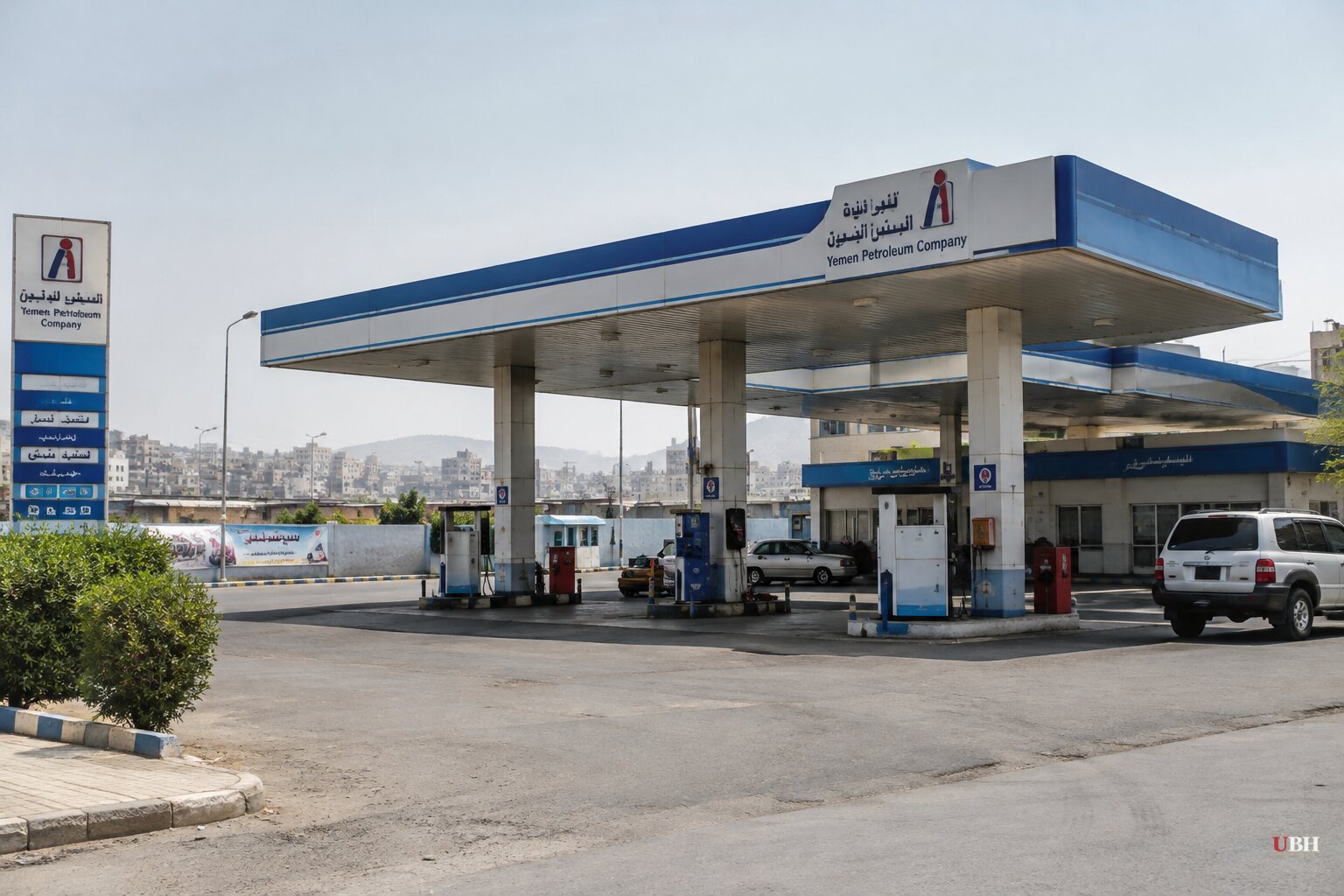
The Saudi-led coalition ordered civilians out of an oil facility in the Houthi-controlled Yemeni capital on Tuesday, Oct. 13. Houthi media say the site was hit soon after.
Coalition spokesman Maj. Gen. Turki al-Maliki urged residents to leave the Yemen Petroleum Co.'s Al-Sabaha central station and nearby storage areas "for their safety." The coalition released a map of the site, which sits on a hill in western Sanaa overlooking the city. Al-Maliki did not say what kind of operation was coming. He had earlier said on X that the coalition would warn civilians before a "precision operation."
The warning is the coalition's first evacuation order for Sanaa since the war flared up again, after a 2022 ceasefire that held for years.
Houthis claim a strike, coalition silent
An AFP correspondent in Sanaa heard an explosion. The Houthi-run Al-Masirah TV then reported that "Saudi aggression targets the oil company in Al-Sabaha, west of Sanaa."
The coalition has not confirmed a strike, and the extent of any damage is unknown.
Al-Masirah also reported two airstrikes on the Red Sea island of Kamaran, a third in Qanawis district about 55 kilometers (34 miles) northwest of Hodeida, and further strikes in Jawf province on the Saudi border. The channel blamed Saudi Arabia and gave no details. The Houthis also said they shot down a Saudi drone over Saada province. Saudi Arabia has not commented on those claims.
The Yemen Petroleum Co. said the Al-Sabaha facilities held no petroleum stocks, so a strike there would not touch fuel reserves or supply chains. It said fuel for public consumption was stored at other secure sites in quantities sufficient "for long periods." Residents of Sanaa queued at fuel stations anyway, according to AFP.
The Houthi response
Houthi military spokesman Yahya Saree promised a "harsh and painful" response on the Saudi capital if Sanaa is targeted. On X he named three targets: Riyadh's international airport, a refinery, and an Aramco facility in Dammam. He told civilians to move away from them.
The Houthis also called Aramco facilities "legitimate" targets and told workers to stay clear. Houthi political bureau spokesman Mohammed al-Bukhaiti told Sky News on Monday that operations against Saudi Arabia would continue "until all Saudi oil facilities and vital facilities are destroyed" unless Riyadh answers calls to end the war.
That is the Houthi position: stop the war or lose the oil infrastructure. The coalition's position is that it is acting after a string of attacks on the kingdom.
The attacks have had concrete effects. An attack on King Khalid International Airport in Riyadh on Saturday, Oct. 10, left 13 people dead and suspended operations. The Houthis said they fired another ballistic missile at the airport Monday evening, when sirens sounded in Riyadh and residents heard explosions. On Tuesday the coalition said it intercepted three drones north of the capital.
A kingdom under pressure
The fallout is already visible in Riyadh. AFP journalists reported lighter traffic this week as remote learning for all schools and work-from-home orders for some companies took effect. France told its citizens to avoid the airports in Riyadh, Jeddah and Dammam.
The U.S. Embassy in Riyadh advised Americans to reconsider travel to Saudi Arabia. The State Department message cited "risk of drone and missile targeting of American interests by Iran and the Iranian-supported Houthis." It said the threat of Iranian drone and missile attacks has been ongoing since hostilities between the U.S. and Iran began on Feb. 28, 2026, and that commercial flights have at times been significantly disrupted. President Donald Trump told reporters outside the White House on Tuesday that the Houthis "have acted very badly."
The economic hit is also being measured. The International Monetary Fund said Tuesday that Saudi GDP is expected to shrink 3.3 percent this year. It tied that to the regional drop caused by Iran's blockade of the Strait of Hormuz.
The Institute for the Study of War said Iran appears to be targeting vessels conducting ship-to-ship oil transfers in and near Hormuz. It said Tehran is trying to reassert control over the waterway.
Ground offensive and amnesty announcement
On Monday, Presidential Leadership Council head Rashad al-Alimi announced "Operation Yemen Dawn," which he described as an all-out offensive to push the Houthis out of strategic coastal cities and Sanaa. The Houthis have held the capital since 2014. How far the operation has progressed is not clear from public statements.
Separately, Saudi Arabia's Interior Ministry said Tuesday it will begin legalizing the residency of Yemeni migrants with valid passports. The ministry said Alimi requested the move and that King Salman ordered it. Roughly 1.8 million Yemenis live in the kingdom. Council officials thanked Riyadh for what they called a "generous" gesture. The General Directorate of Passports will announce when the program launches.
The Saudi-led intervention began in 2015 and did not change the balance on the ground. It ended in a 2022 ceasefire that broke down a few months ago.
It is not yet known whether the coalition follows its evacuation order with a confirmed strike on Sanaa, or whether the Houthis carry out their threats against Riyadh's airport, a refinery and the Dammam Aramco site. Turkish President Recep Tayyip Erdogan and Saudi Crown Prince Mohammed bin Salman have discussed the Houthi attacks. No ceasefire proposal has been announced.
Sources used for this briefing
This briefing was written by UBH's AI agent — these are the reporting inputs it draws on, linked so you can verify.


