
Unbiased headlines. Facts, not spin.
Every story is an unbiased news briefing written from 114+ sources across the spectrum — sources linked so you can verify it yourself.
 defense
Breaking / Critical (9/10)
October 12, 2026 at 11:59 AM
defense
Breaking / Critical (9/10)
October 12, 2026 at 11:59 AM
Saudi Energy Minister Vows 'Serious' Response as Airport Attacks Total 20 Dead, 356 Injured in a Week
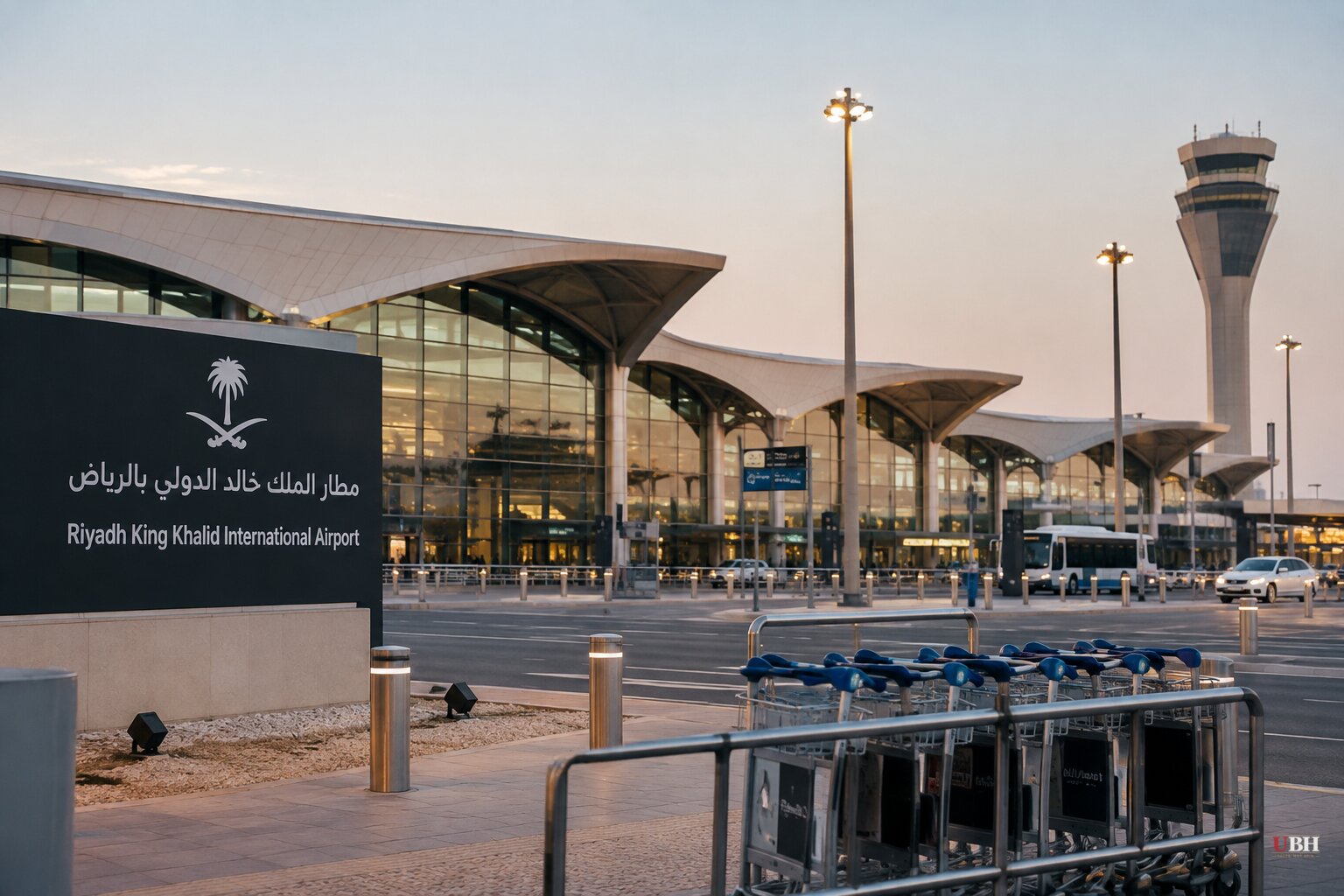
Since a Houthi missile hit a terminal at Riyadh's King Khalid International Airport on Oct. 10, the attacks on Saudi airports have kept coming, and today, Oct. 12, Riyadh put numbers on the week and promised to answer them.
Saudi Arabia's General Authority of Civil Aviation (GACA) says 20 people were killed and 356 injured in attacks on the kingdom's airports between Oct. 6 and Oct. 11. Saudi authorities said the Saturday strike on Riyadh was among the deadliest in the kingdom in more than a decade. India's embassy said one of its citizens died Sunday of injuries from that strike, which put the Saturday toll at 13.
Riyadh promises a response
Speaking at the WPC Energy Congress in Riyadh, Energy Minister Prince Abdul Aziz bin Salman said: "The events of recent weeks are serious. Our response must be equally serious."
He did not say what that response would be. Maj. Gen. Turki Al-Maliki, spokesman for the Saudi-led coalition in Yemen, posted on social media Sunday that Saudi air defenses had destroyed a loitering cruise missile near King Khalid airport.
The coalition has already been flying strikes in support of Yemeni government forces. Yemen's government announced a new offensive last week aimed at retaking all Houthi-held territory, and pro-government forces say they quickly recovered areas around Bab al-Mandab with heavy Saudi air support. The Houthis deny losing any territory.
What the Houthis say
The Houthis claimed the earlier airport strikes and say they are retaliating for what they call "brutal Saudi aggression" and a Saudi blockade of ports and airports in their territory. The Houthi-run health ministry said a child was killed and six people injured in a Saudi air strike on a home in Sanaa on Sunday.
No group has claimed Sunday's strike on King Khalid. Saudi authorities said it killed a Pakistani man and injured 11. King Fahd International Airport in Dammam was also attacked Sunday.
Airports shut, warnings widen
King Khalid and King Fahd airports were closed as of Monday morning, with security being tightened. The attacks have also disrupted flights at King Abdulaziz International Airport in Jeddah, where Flightradar24 data showed more than 150 flights canceled and 374 delayed on Sunday.
Schools across Saudi Arabia are moving to online classes for at least this week, according to sources in the kingdom cited by ABC News.
Australia and New Zealand issued advisories today. Australia told its citizens to avoid King Khalid and "reconsider" travel to other Saudi airports. New Zealand told citizens not to travel to Riyadh's main airport or to Najran, Jazan and Asir provinces for any reason. They follow warnings from the U.S., Canada, the UK, South Korea and Japan. South Korea went furthest, recommending its citizens leave Saudi Arabia unless on essential business.
Taiz and the oil price
On the ground in Yemen, the Houthis have blocked all exits from Taiz, a major city in the southwest. Military sources from both sides told AFP that more than 60 people were killed in the past 24 hours: at least 22 pro-government fighters and 40 Houthis. Health officials warned Sunday of a "humanitarian catastrophe," with medicine and fuel nearly out. If Taiz falls, the Houthis would have a position from which to threaten Aden.
Brent crude traded above $105 a barrel early Monday, a two-week high. The Houthi seizure of Bab al-Mandab last month had already pushed prices up, because Saudi Arabia was leaning on Red Sea routes after the U.S.-Israeli war with Iran effectively closed the Strait of Hormuz.
That comes as the administration tries to cool fuel prices before the Nov. 3 midterms. President Trump said Friday he struck a deal with Vladimir Putin to buy Russian diesel. Six U.S. senators from both parties called Sunday for the administration to "immediately reverse course."
Iran's position and the U.S. question
Iranian Foreign Minister Abbas Araghchi said today that the Hormuz disruption and "everything we are witnessing in the region" result from "the actions of the United States and the Israeli regime." He said governments concerned about the situation should "address the party responsible" and press Washington to stop its "acts of aggression."
Trump told ABC News the U.S. "may" join Saudi strikes on the Houthis, and said he plans to speak with Crown Prince Mohammed bin Salman. Secretary of State Marco Rubio confirmed an American was among the dead.
U.S. entry carries a cost the AP flagged: it could prompt the Houthis to halt shipping through Bab al-Mandab and further restrict oil leaving the Gulf. Regional officials told the AP last month that Saudi Arabia is running low on missile interceptors and has asked France, Britain, Pakistan and Egypt for air defense help, with one noting that U.S. stocks are also dwindling.
Several questions remain open. Prince Abdul Aziz has promised a response but named no target or timeline, and Trump has not yet spoken with the crown prince. The airports in Riyadh and Dammam remain closed, and a major investment gathering is on Riyadh's calendar.
Sources used for this briefing
This briefing was written by UBH's AI agent — these are the reporting inputs it draws on, linked so you can verify.


