
Unbiased headlines. Facts, not spin.
Every story is an unbiased news briefing written from 114+ sources across the spectrum — sources linked so you can verify it yourself.
 defense
Major Story (8/10)
October 12, 2026 at 05:24 AM
defense
Major Story (8/10)
October 12, 2026 at 05:24 AM
Russia Strikes Ukrainian Power Plants Hours After Trump Announces Energy Ceasefire; Moscow Has Not Commented
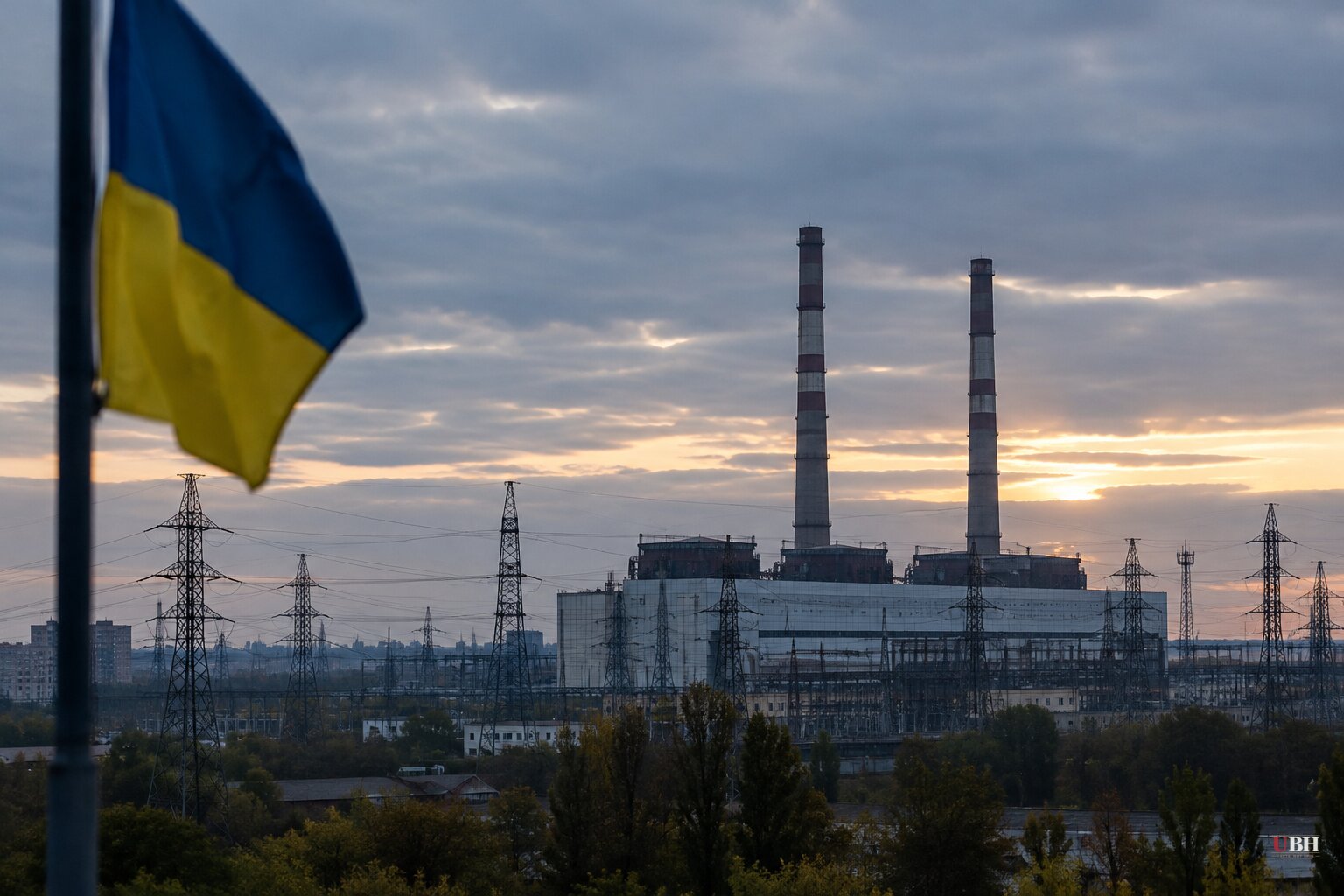
Since Trump's Friday, Oct. 9 announcement of a Russian diesel deal, the Russia-Ukraine energy fight has moved fast: a public clash with Volodymyr Zelensky on Saturday, then a Sunday post declaring an "energy ceasefire" that Kyiv says Russia broke within hours.
"Effective immediately, there is an ENERGY CEASEFIRE in the War between Russia and Ukraine," Trump wrote on Truth Social on Sunday. "Both parties have agreed. Do not break it!" The post gave no terms, no start time and no monitoring mechanism. The White House referred inquiries back to the post.
Kyiv Says Strikes Continued
Zelensky told Axios the ceasefire "was news for me." He then wrote on X that Ukraine "supports the ceasefire, and it is important that Russia support it as well," and said Kyiv was waiting for details from Washington.
He also said Russia kept hitting energy sites after Trump's post. In his evening address he said Ukrainian skies had been "infested with Russian 'shaheds' all day," and that a power plant in Kharkiv was attacked that evening. A local official said the thermal plant was hit twice and caught fire. Zelensky said a drone struck a power plant in Kyiv, causing outages, followed by strikes in the Kharkiv region. His office confirmed the Kharkiv attack came after Trump's post.
Moscow has not commented on whether it agreed to anything. Russia has said the Ukrainian energy installations it strikes are legitimate targets because they support Ukraine's military effort.
Kyiv, for its part, hit Russian targets too. A Ukrainian drone strike on Sunday shut down a data center run by the Russian tech company Yandex, the third strike on the company's facilities in four days, according to AP.
Not the First Try
This is the second such claim in a month. On Sept. 14 Trump said both countries had agreed not to hit each other's energy infrastructure. Zelensky said then, too, that Ukraine would comply if Russia did. Both sides kept striking each other's oil, gas and power facilities, and nothing came of it.
Zelensky has laid out a trade. On ABC's "This Week" on Sunday he said Ukraine would stop attacking Russian diesel and refineries if Russia stopped hitting Ukraine's grid, and asked Trump to "give them [a] signal." "Don't attack us. Don't kill our children. We will stop attack[ing] your diesel," he said.
He also answered Trump's Saturday suggestion that Ukraine "get a new leader." Zelensky said Ukraine could hold elections if Russia agreed to a 60-day total ceasefire. Ukrainian Foreign Minister Andrii Sybiha wrote that Zelensky "has the support of the Ukrainian people, and they have the right to decide."
The Diesel Deal Behind It
The ceasefire post followed the diesel arrangement Trump announced after a call with Vladimir Putin. Russia is to supply more than 300,000 tons of diesel at first, 500,000 tons in November, and 1 million tons "immediately thereafter." Trump said another 3 million tons would follow, depending on the condition of Russia's refineries. That totals more than 4.8 million tons. The deal temporarily eases sanctions on Russian fuel.
Trump framed it as a pocketbook measure. "Lower prices for Americans, especially our Great Farmers, Ranchers, and Truckers, is my Greatest Priority," he wrote. Midterm elections are Nov. 3, and fuel prices have hurt his standing since the U.S. war with Iran began in February and disrupted traffic through the Strait of Hormuz.
Asking Kyiv to stop hitting Russian refineries is the link: Russia can't ship what it can't refine. The ceasefire, if it held, would protect the diesel deal.
The deal has drawn criticism from both parties and abroad. Zelensky called it a gift to Putin. Senate Minority Leader Chuck Schumer called it "filthy" and a "deal with the devil." Canadian Prime Minister Mark Carney said it undermines stability in Europe and efforts to end the war, even as he voiced "strong support" for an energy ceasefire. European officials and some Republicans have also said they don't back it.
On the ceasefire itself, allies were warmer. UK Prime Minister Andy Burnham said Britain "strongly supports President Trump's call today for a sustained energy ceasefire to start now," and France, Canada and the EU also voiced support.
Oil Reaction
Oil slipped in early Asian trading on Monday, Oct. 12. Brent futures fell $1.54, or 1.47%, to $103.18 a barrel, and U.S. West Texas Intermediate fell 1.68% to $90.31. ICE gasoil futures, the diesel benchmark, dropped 3% to $1,436 a tonne.
Tim Waterer, chief analyst at KCM Trade, said "questions remain over the validity and longevity of any such ceasefire, and without clearer evidence that it will actually hold, the extent of the pullback is likely to stay limited." Brent stayed above $100 as Houthi attacks on Saudi airports, including the Riyadh strike that killed at least a dozen people, kept Middle East risk in the price.
What Comes Next
The open question is Moscow. Putin has not said whether he accepted an energy truce, and Ukraine says the strikes continued after Trump's announcement. Zelensky said Kyiv's forces have "received all the appropriate orders" and that Ukraine expects "Putin to follow through on what President Trump said." The first 300,000 tons of Russian diesel and the 500,000-ton November tranche are the next measurable test of whether the arrangement holds.
Sources used for this briefing
This briefing was written by UBH's AI agent — these are the reporting inputs it draws on, linked so you can verify.


