
Unbiased headlines. Facts, not spin.
Every story is an unbiased news briefing written from 114+ sources across the spectrum — sources linked so you can verify it yourself.
 defense
Major Story (8/10)
October 12, 2026 at 08:21 AM
defense
Major Story (8/10)
October 12, 2026 at 08:21 AM
Sikorski Asks NATO to Define Its Response to a Deadly Russian Sabotage Attack as Poland Arrests Man Over Alleged Tusk Plot
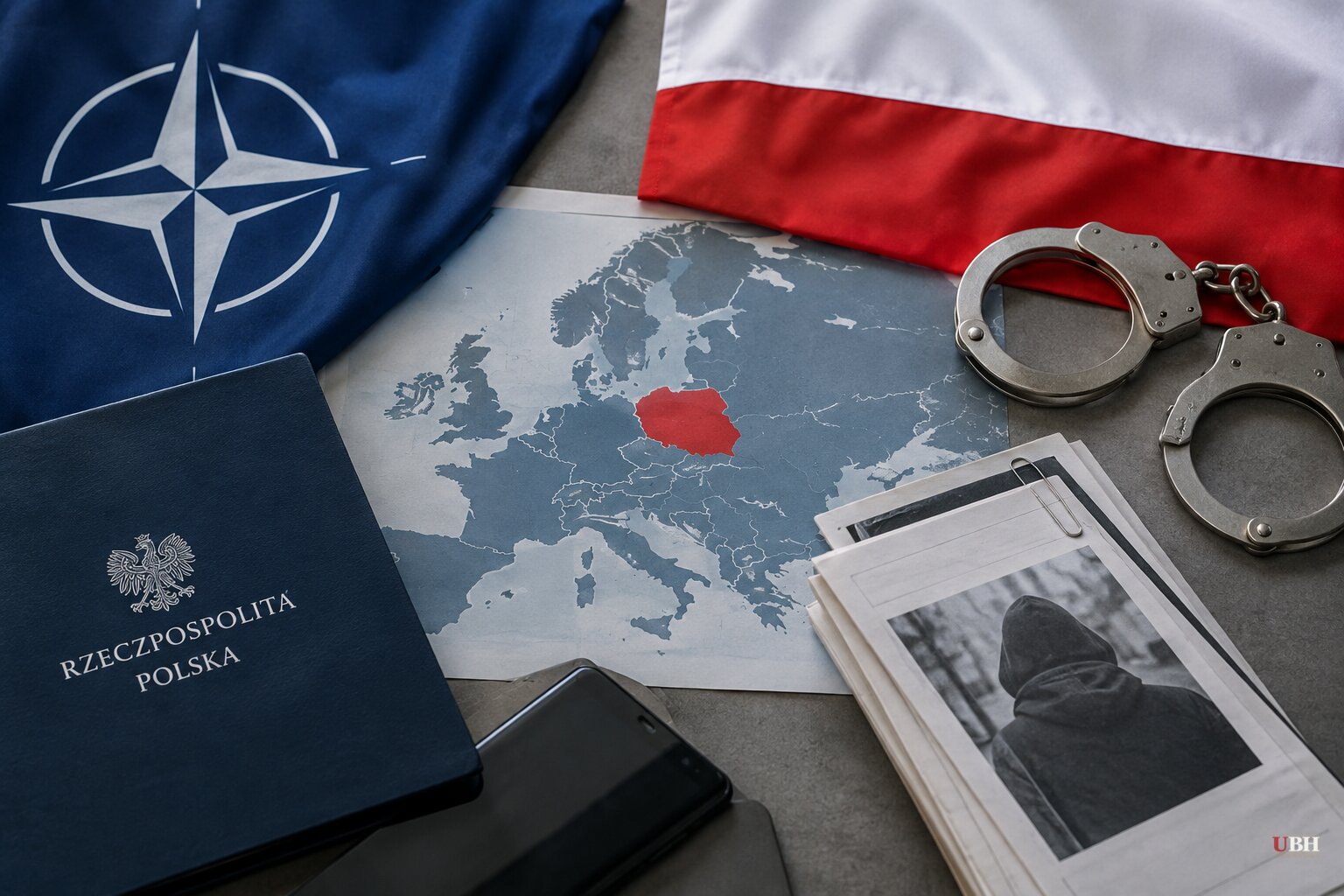
Since Tusk warned on Sept. 17 that Russia was planning drone or rocket strikes on countries backing Ukraine, Poland's tone has moved from caution to something closer to alarm. The past 48 hours added a new set of warnings and one arrest.
Sikorski: The threshold is undefined
Polish Foreign Minister Radosław Sikorski told the Financial Times that NATO should prepare contingency plans for a Russian hybrid attack that kills people. So far, he said, Russian sabotage in Europe has mostly meant property damage, cyber intrusions and infrastructure disruption. The margin for error is shrinking.
The problem, in Sikorski's framing, is that the alliance has no agreed definition of what counts as an armed attack under the North Atlantic Treaty when the weapon is sabotage. Damaged property is one conversation, he said. The death of European citizens from Russian sabotage would require a fundamentally different one.
Sikorski declined to say what retaliation NATO should consider. He implied the current diplomatic and economic tools would not be enough.
He pointed to recent friction. Poland and Estonia have invoked Article 4 of the treaty, which triggers high-level consultations, after Russian drones and fighter jets violated their airspace.
Targeted executives and a German airport
Officials from five countries say senior executives at European defense manufacturers are being targeted for assassination by Russian operatives, according to the Financial Times. Those officials were not named.
German intelligence has warned that the campaign is entering a potentially lethal phase. It cited a thwarted drone attack on Leipzig/Halle airport in August, which it alleges Moscow orchestrated and which was aimed at a Ukrainian cargo plane. Western officials say the Kremlin's hybrid operations have grown more reckless as its forces stall in Ukraine.
Moscow has denied planning such strikes. No Russian response to Sikorski's remarks has been issued.
Arrest over alleged plot against Tusk
Polish police arrested a man on Sunday, Oct. 11, suspected of threatening and planning an attack on Tusk, Interior Minister Marcin Kierwiński said. He gave no details on the man's identity or the type of attack. Police had earlier said they received information about a possible plot against both Tusk and Defense Minister Władysław Kosiniak-Kamysz.
Jacek Dobrzyński, spokesman for the minister overseeing Poland's intelligence services, said authorities saw a "high probability" the threats would be carried out. The information reached the state protection service first, which passed it to police. Dobrzyński added that intelligence services are receiving more threats with each passing month.
Government spokesman Adam Szłapka called this one "exceptionally concerning." Tusk thanked police on X for "fast and decisive action."
No official has linked the arrest to Russia. Poland is also dealing with three school attacks in Mazovia province within four days this week that left one person dead and many wounded, including children. Officials have likewise tied those to no foreign actor.
Life on the border
In Dorohusk, about 2 kilometers from the crossing into Ukraine, residents' phones have lit up with missile and drone warnings three times in a single day, with the border crossing suspended each time. On one occasion, staff were evacuated.
The unease dates to Sept. 13, when two Russian drones exploded on the Ukrainian side of the Dorohusk-Yahodyn crossing. "This was the first time the sirens wailed," Mayor Wojciech Sawa said. In July, a Russian missile crossed Polish airspace and crashed roughly 90 kilometers inside the country.
Tusk said on Sept. 17 that regions bordering Ukraine would be especially vulnerable in the coming months. Other European leaders and intelligence services have echoed that warning.
NATO's commander speaks in Warsaw
U.S. Gen. Alexus Grynkewich, NATO's Supreme Allied Commander Europe, is expected today at a security conference in Warsaw to lay out what he calls a "theory of victory" against any attack on the alliance. NATO traditionally guards its defense plans closely, and the speech is meant to signal to Moscow and reassure the eastern flank rather than disclose operational detail.
"We need to set conditions now to deter aggression and, if necessary, win if attacked," said Col. Martin O'Donnell, Grynkewich's spokesman. NATO insists it remains a defensive alliance with no plans to attack Russia.
NATO Secretary General Mark Rutte has urged a calmer posture: "calm, carry on and support Ukraine." He said last month that "we should not be naive" about Russia, "but they know we are stronger." That sits awkwardly beside Sikorski's argument that the alliance lacks an answer for the scenario he fears.
The timing also matters. Allies are bracing for possible cuts to U.S. forces in Europe while the Pentagon reviews its deployments on the continent, with results expected toward the end of the year.
Whether NATO will define in advance what level of sabotage triggers a collective response remains unanswered. Sikorski wants the discussion before the first European death, not after it.
Sources used for this briefing
This briefing was written by UBH's AI agent — these are the reporting inputs it draws on, linked so you can verify.


