
Unbiased headlines. Facts, not spin.
Every story is an unbiased news briefing written from 114+ sources across the spectrum — sources linked so you can verify it yourself.
 energy
Major Story (8/10)
October 12, 2026 at 04:21 PM
energy
Major Story (8/10)
October 12, 2026 at 04:21 PM
Saudi Energy Minister Outlines Plan to Lift Pipeline Oil Export Capacity to 10 Million Barrels a Day
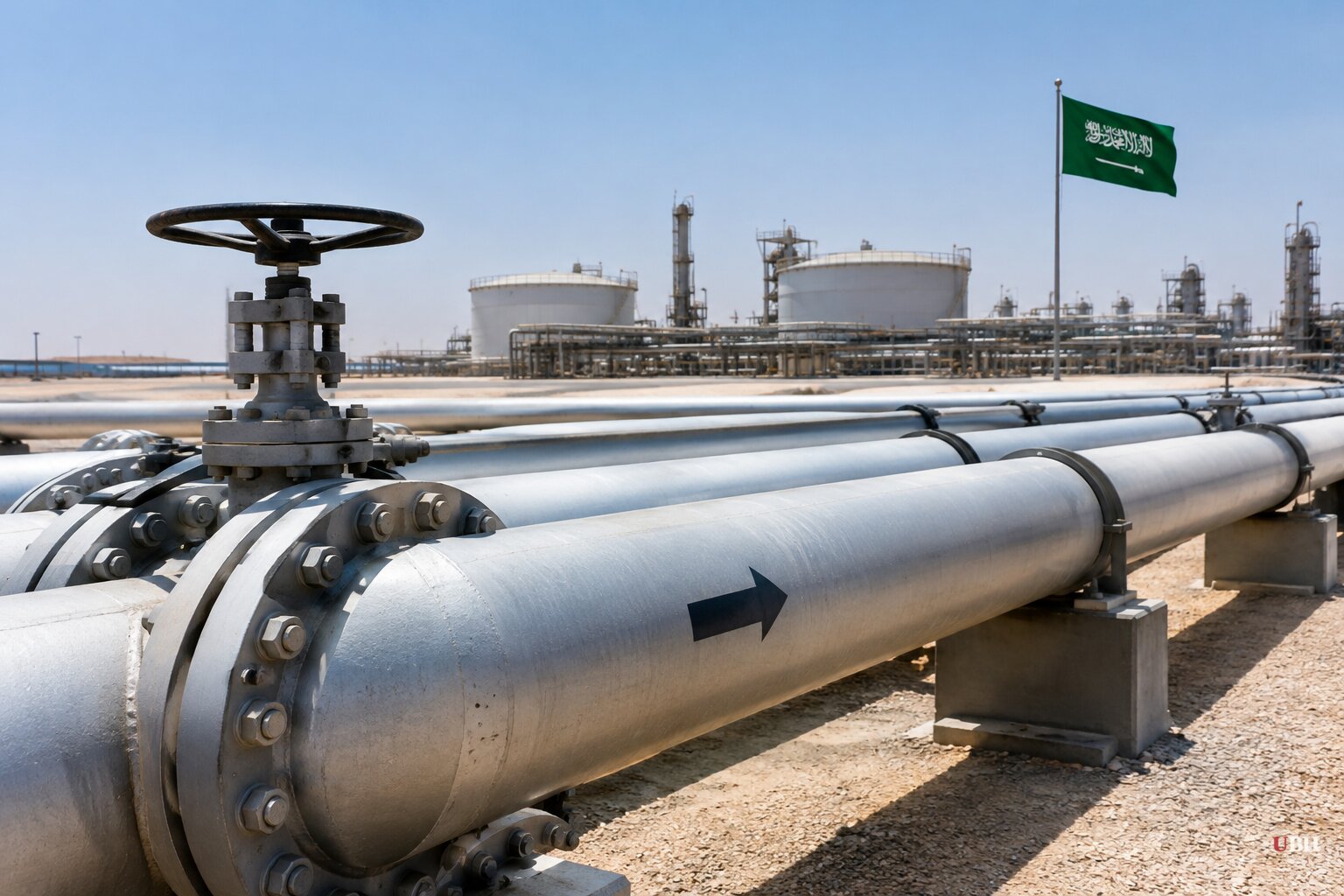
Since the Iran war began at the end of February, the Strait of Hormuz has been the pressure point for global oil. Today, Oct. 12, Saudi Arabia laid out how it wants to stop depending on it.
Energy Minister Prince Abdulaziz bin Salman told the World Petroleum Congress in Riyadh that the kingdom is looking to expand pipeline crude export capacity to as much as 10 million barrels per day. The plan has two parts: repurpose a domestic gas pipeline for oil, and invest in the existing East-West network.
The near-term fix
The quick piece is the gas line. Abdulaziz said converting it temporarily could add up to 1.2 million bpd of export capacity within seven to eight weeks.
He said he had told Saudi Aramco it could use the pipeline for oil until May. After that it has to be cleaned and returned to gas service ahead of the summer season. So this is a bridge, not a permanent addition.
With further investment, the minister said, up to 3 million bpd could be added in total.
The long-term build
The bigger number is further out. Abdulaziz said upgrades to pumping stations on the East-West pipeline, plus other infrastructure projects, could lift the kingdom's capacity to divert shipments away from its Gulf and Red Sea maritime routes to around 10 million bpd over the next two to three years.
Aramco chief executive Amin Nasser said the company is examining additional export routes and working to expand its overseas storage capacity. Neither he nor the ministry has put a price tag on the projects.
The pipeline has been a target
The East-West line is about 1,200 kilometres long and carries crude across the Arabian Peninsula. It gives Saudi Arabia an export outlet when Hormuz traffic is disrupted. It has also been attacked. The line was temporarily closed in September after a drone attack, and a Saudi energy sector source has said pumping was halted after a further attack.
The announcement also comes days after Houthi attacks on Riyadh. U.S. Energy Secretary Chris Wright, addressing the congress remotely, called the attacks "cowardly" and said the U.S. stands "as your partners," reiterating "unwavering support for Saudi Arabia." Wright said the attacks on Riyadh killed 12 people and injured about 300.
How far supply has recovered
The numbers on recovery depend on who is counting.
Wright said Gulf crude flows are back to 80 to 90 percent of pre-war levels, with up to 14 million barrels a day moving through Hormuz and more going through bypass pipelines. "The crude problem we talked a lot about, it's still there but it's mostly handled," he said.
Kpler's tanker tracking shows a slower Hormuz recovery. Oil exports through the strait averaged just under 9 million bpd in September, the highest monthly level since the war began but only about 44 percent of the 20.6 million bpd recorded in February. About 22 vessels crossed daily in the 30 days to Oct. 12, roughly two thirds of them tankers. Kpler describes that data as provisional.
The two figures are not a like-for-like comparison. Wright's estimate includes pipeline volumes that skip Hormuz entirely, and Kpler's count is strait traffic alone.
On a regionwide basis, Kpler data shows crude and condensate exports from the Middle East, excluding Iran, averaged 18.11 million tonnes a week in September. The eight weeks before the conflict averaged about 18.22 million tonnes. By that measure, crude is essentially back.
Fuel is the weak spot
Crude is not the problem Wright is worried about. Fuel exports from the Middle East remain below half their pre-war levels because of damage to regional refineries, per Kpler.
Wright said diesel prices remain "very high" and that jet fuel and petrol are also elevated. "The challenge is still here and the challenge is still ahead of us," he said.
That matters for the Saudi plan. Extra pipeline capacity moves more crude to the Red Sea coast. It does nothing to repair refineries, so it leaves the diesel squeeze untouched.
What to watch
The first test is the seven-to-eight-week timeline for the converted gas line, and whether Aramco can run it safely given attacks on the East-West system. The May deadline to hand the line back to gas customers before summer is the second. Whether the long-term pumping-station upgrades get funded and built in the two to three years Abdulaziz described has not been laid out.
Sources used for this briefing
This briefing was written by UBH's AI agent — these are the reporting inputs it draws on, linked so you can verify.


