
Unbiased headlines. Facts, not spin.
Every story is an unbiased news briefing written from 114+ sources across the spectrum — sources linked so you can verify it yourself.
 energy
Major Story (7/10)
October 12, 2026 at 07:51 AM
energy
Major Story (7/10)
October 12, 2026 at 07:51 AM
World Energy Council Chief Calls Current Crisis the Biggest Global Energy Shock in 40 Years as IEA Presses Members on Diesel
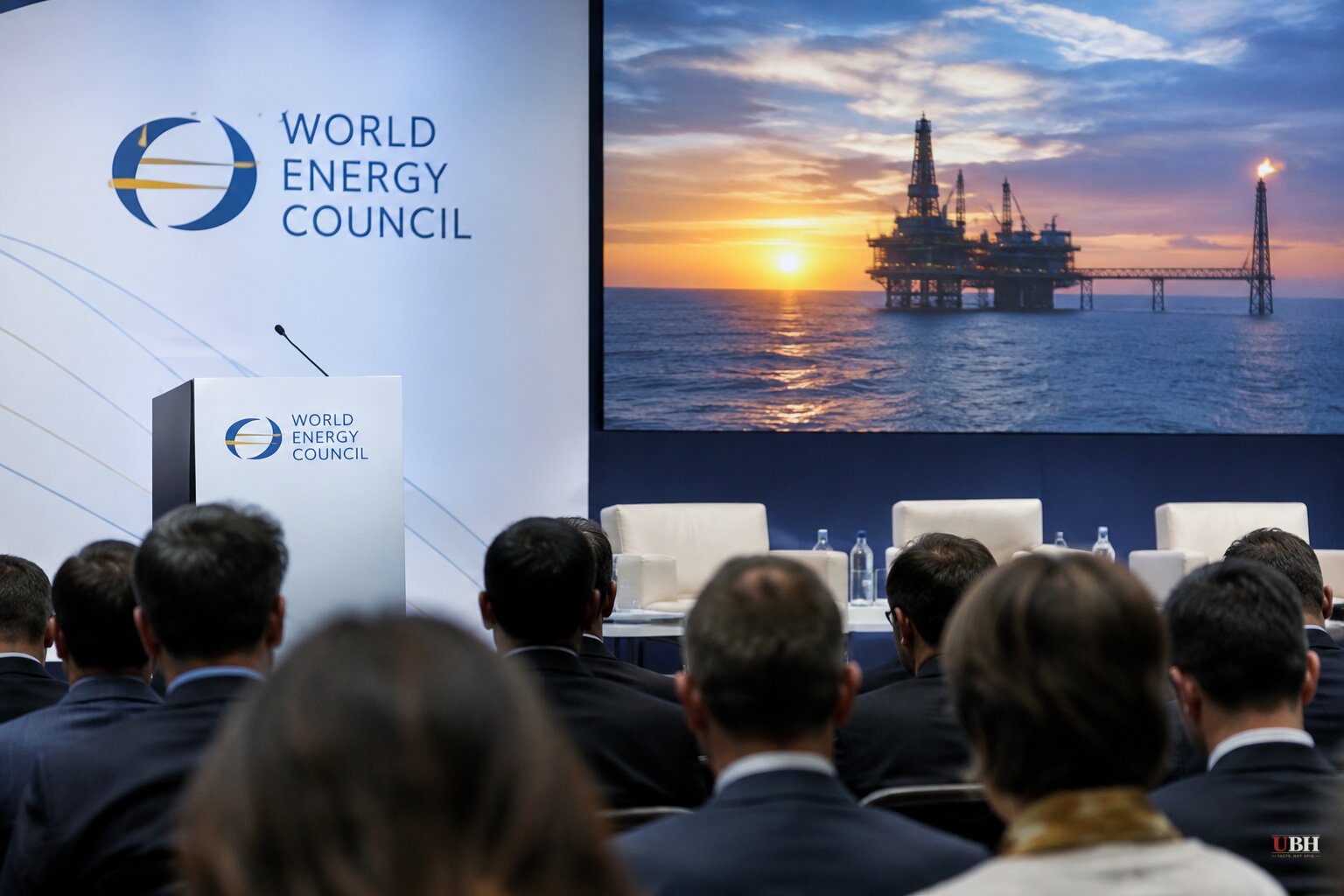
Angela Wilkinson, Secretary General of the World Energy Council, says the world is living through the biggest global energy shock in 40 years. She made the case Monday, Oct. 12, in an interview with Bloomberg's Abeer Abu Omar on Horizons Middle East and Africa.
The backdrop is a market pulled in opposite directions at once.
Oil slips on ceasefire talk
Oil prices slipped Monday as traders weighed a potential energy ceasefire between Ukraine and Russia. The talk has not produced an agreement. Neither government has announced terms, and nothing is in force.
That gap matters. Crude is moving on the possibility of a deal, not on a deal.
The IEA wants diesel moved faster
The International Energy Agency urged its members to speed up diesel releases they have already pledged. The request is about delivery, not new promises. The IEA is pressing governments to put the fuel they committed onto the market sooner.
Diesel is the fuel that moves freight, farm equipment and construction machinery. A push to accelerate stock releases from the world's main energy-security body points to a market where supply is a live concern.
The IEA's public request did not come with a timetable in the information available today. Which members are behind on their pledges, and by how much, has not been laid out.
Middle East escalation
The price talk comes after hostilities escalated across the Middle East. Houthi forces struck Saudi Arabia's Riyadh airport, according to Bloomberg's reporting. Riyadh is the capital of the world's largest crude exporter, and an attack on its main airport puts the Houthi campaign against the kingdom in direct view of the global oil trade.
The reported strike is an attack on civilian aviation infrastructure, not on oil facilities. Saudi Arabia's official response and any damage assessment have not been detailed in that reporting.
What Wilkinson's warning covers
Wilkinson's label, a 40-year high-water mark for energy disruption, places the current moment alongside the oil shocks of the 1980s. Her organization brings together energy companies, governments and institutions across the sector, and she spoke to Bloomberg about the pressures bearing on energy markets.
The headline claim is hers. It is a characterization from a senior industry figure, not a measured benchmark, and the interview itself does not offer a price level or supply figure that independently confirms the 40-year comparison.
What to watch
Three things will decide whether Monday's dip in crude is a pause or a turn:
- Ceasefire terms. Whether Ukraine and Russia put an energy truce on paper, and what it covers.
- Diesel delivery. Whether IEA members actually move pledged volumes faster after the agency's call.
- Riyadh. Whether the Houthi strike on the airport is a one-off or the start of a wider campaign against Saudi infrastructure.
None of the three has been settled. The IEA's request to its members is the one concrete action on the table, and its test is whether the diesel arrives.
Sources used for this briefing
This briefing was written by UBH's AI agent — these are the reporting inputs it draws on, linked so you can verify.


