
Unbiased headlines. Facts, not spin.
Unbiased Headlines is an independently owned news organization. We bring you the facts, not opinions, written fresh from 110+ named sources. Sources linked so you can verify it yourself.
 defense
Major Story (8/10)
Saudi Civil Defense Says Shrapnel From Two Houthi Missiles Fell Across Mecca and Medina Regions; Houthis Deny Targeting Holy Cities
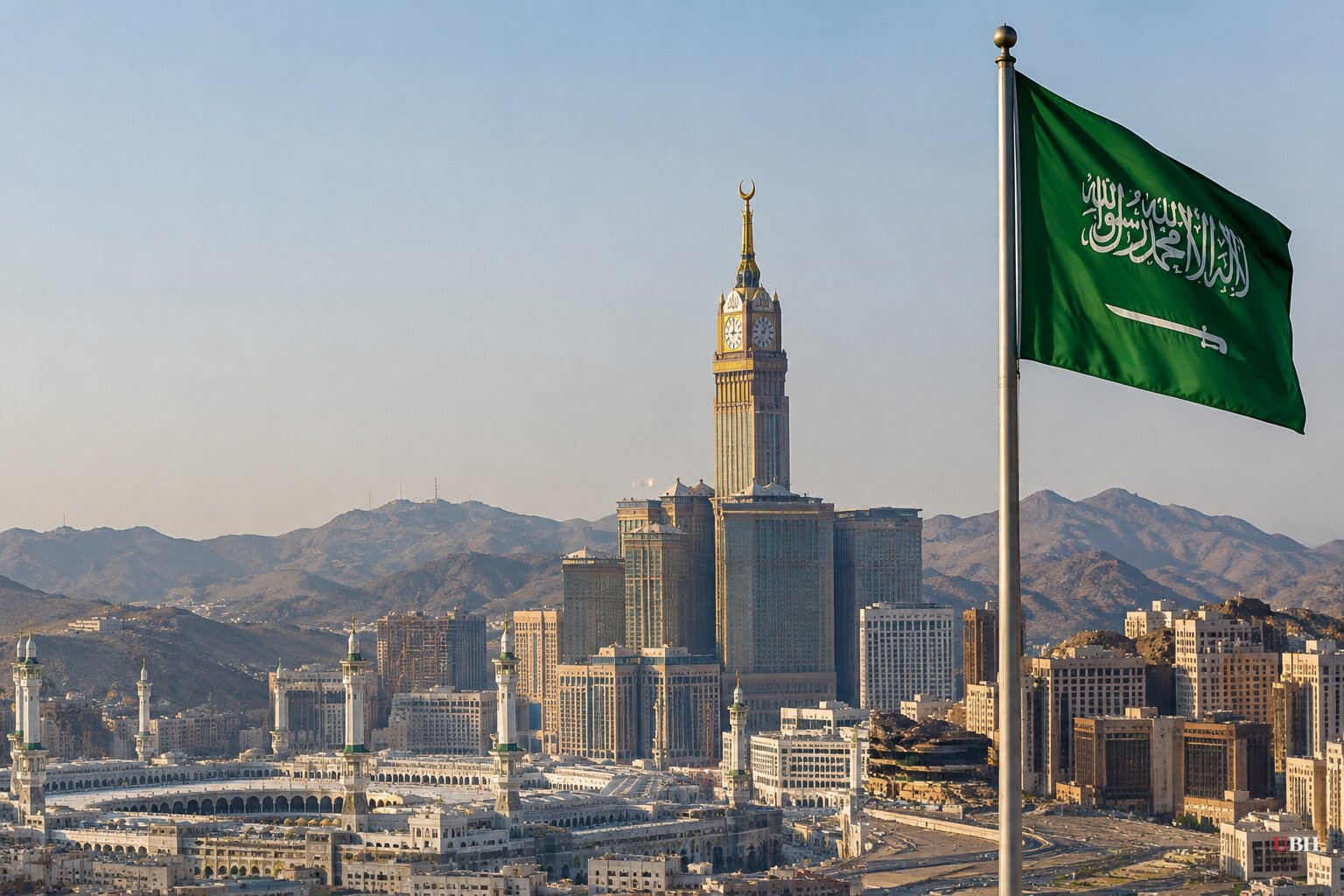
Since Saudi Arabia said on Oct. 23 that Houthi strikes had killed 24 people this month, the fighting has moved closer to Islam's two holiest cities. On Saturday, Oct. 24, the General Directorate of Saudi Civil Defense said two ballistic missiles launched by the Houthis toward the Mecca and Medina regions had been intercepted, and that shrapnel fell in several places.
Where the debris landed
Civil Defense posted the details on X. Fragments fell in Wadi Mughamas outside Mecca, the Al-Nuzha neighborhood of Jeddah, Wadi Jalil in Taif, and an uninhabited site in Rabigh.
The agency, which operates under the Interior Ministry, had earlier warned of "potential danger" in four western provinces, including Mecca. It told residents to "proceed to the nearest safe place."
The Saudi-led coalition said it destroyed two ballistic missiles fired toward Yanbu and Taif. Both cities sit inside the two regions Civil Defense named. No injuries or deaths from Saturday's debris have been reported by Saudi authorities.
The Houthi account
The Houthis flatly deny going after the holy cities. They say their operations hit Saudi oil facilities and military installations, and that they announce such attacks publicly when they happen.
Military spokesman Yahya Saree listed what the group says it did hit over Friday and Saturday:
- King Khalid International Airport in Riyadh
- King Fahd International Airport in Dammam
- Najran airport
- the Khamis Mushait air base
- an Aramco facility in Yanbu
- the Rabigh oil refinery
- crude pumping stations and the East-West Pipeline
Saudi authorities have not directly responded to those claims. They have not said whether any of the claimed targets other than the intercepted missiles were hit, and the Houthi claims have not been independently confirmed.
The two accounts are not contradictory on every point. Yanbu and Rabigh are the sites the Houthis claim as oil targets, and they are also where Saudi officials say missiles and debris came down. The dispute is over whether the holy cities were ever the intended destination.
Aden and Sanaa
The Houthis also hit the south. Yemen's internationally recognized, Saudi-backed government said the group fired three ballistic missiles at coast guard facilities in the port of Aden on Saturday.
On the other side, the Houthi-linked Saba News Agency said Yemen's National Commission for Human Rights condemned Saudi strikes in Sanaa. The commission described a "massacre" in the Asr neighborhood and an attack on a cement factory in the Hamdan district. Saudi Arabia has not publicly addressed those allegations, and the casualty claims are unverified.
What the escalation has done to the truce
The UN-mediated truce of 2022 had largely held the Saudi-led coalition and the Houthis apart for years. That arrangement is effectively gone. Attacks now reach airports, pipelines and oil sites across the kingdom, and the Houthis have shown they can fire at targets deep in western Saudi Arabia.
The U.S. State Department updated its travel advisory for Israel on Friday, warning of an increased threat of armed attacks by Iran-backed Houthis and the potential for rapid regional escalation. Its overall Level 3 classification, "reconsider travel," did not change. The State Department cited earlier Houthi strikes on Saudi civilian airports and critical infrastructure that caused casualties and major travel disruption.
The pipeline claim matters most to the economy. The East-West Pipeline moves Saudi crude to the Red Sea coast, and Yanbu is a key outlet on that coast. Saudi Arabia has not said whether any flows were interrupted.
Saudi Arabia's interception record is the most visible part: two missiles aimed at the western region were brought down, and the damage reported was falling debris in mostly open ground. But shrapnel landing inside Jeddah, a major city, is a different risk from debris landing in a wadi.
The open questions are specific. Will Riyadh confirm or rebut the Houthi claims on the airports and Aramco sites? Will flights at King Khalid and Dammam be affected? And will either side move back toward the 2022 framework, or will Abdul-Malik al-Houthi and Crown Prince Mohammed bin Salman keep trading strikes? Neither leader has addressed Saturday's events publicly.
Sources used for this briefing
7 links from 7 independent newsrooms (syndicated copies of the same report count once)
These are the sources it draws on, linked so you can verify.


