
Unbiased headlines. Facts, not spin.
Unbiased Headlines is an independently owned news organization. We bring you the facts, not opinions, written fresh from 110+ named sources. Sources linked so you can verify it yourself.
 defense
Major Story (7/10)
FBI Arrests Contractor Ian Brinksman, Alleges He Passed Classified CIA Reports to Substack Writer He Was Dating
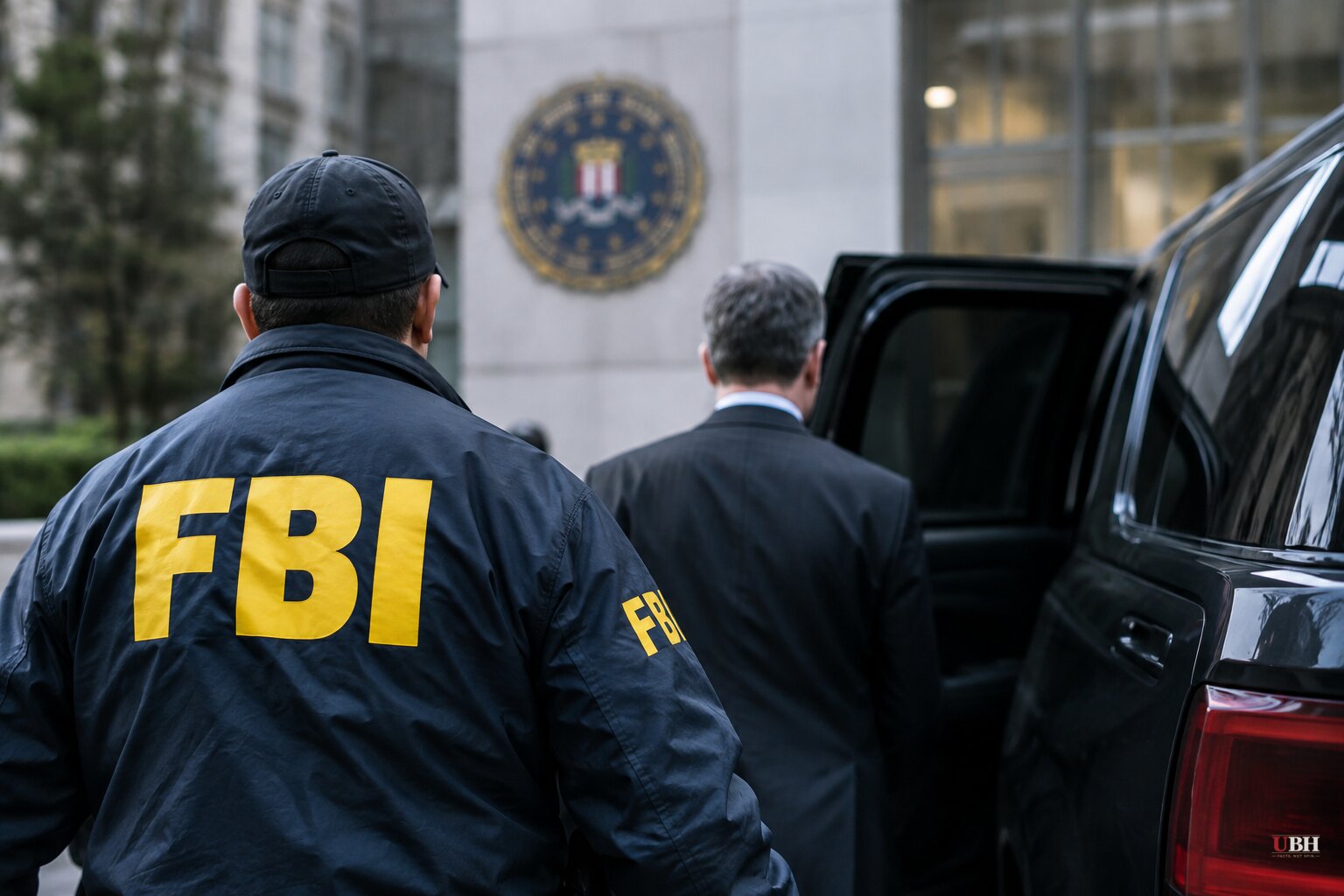
The FBI arrested Ian A. Brinksman, 42, of Washington, D.C., on Friday, Oct. 23, after searching his home. The Justice Department charged him with unlawfully transmitting national defense information, an Espionage Act offense that carries up to 10 years in prison.
These are allegations from a criminal complaint and an FBI affidavit. Brinksman has not been convicted. A federal public defender representing him declined to comment.
What prosecutors say he did
Brinksman joined a U.S. government agency in 2020, according to the complaint. In September 2022 he became a systems integration developer for a contractor serving the same agency. He held a top-secret clearance with access to Sensitive Compartmented Information.
CIA Director John Ratcliffe confirmed Brinksman provided services to the CIA and said the arrest followed a referral from the agency.
The affidavit alleges Brinksman accessed five classified intelligence reports between March and October. An FBI agent said all five carried top-secret and SCI markings, and none related to his assigned duties.
Investigators say information from those reports then appeared in articles by a journalist he was in a romantic relationship with. The affidavit cites phone records, database access logs, badge-swipe records, emails and other evidence.
The timing is the core of the government's case. On March 11, the affidavit says, the journalist called Brinksman at about 8:41 a.m. Less than an hour later he accessed a top-secret report twice. That same day she published an article containing information that reflected it, investigators said.
The affidavit describes similar sequences in May, July and October. It also says the two exchanged more than 800 calls or attempted calls in 2026, including some shortly before and after he accessed classified material.
The relationship and the newsletter
The affidavit does not name the journalist. It calls her "Individual 1." It quotes a fundraising post from September 2026 in which she said she had published reporting based on classified assessments from the agency that she believed the public deserves to know about. It also cites a social media post reading, "I also accept leaks."
Reuters matched that quote to a Sept. 28 post on the Capital & Empire newsletter by Aída Chávez, a former writer for The Nation. In it, Chávez wrote: "Over the past year, I've published reporting based on classified CIA assessments that I believe the public deserves to know about." She did not immediately respond to Reuters' request for comment. No charges against her have been announced.
That statement is the public-interest argument in her own words. Whether a court treats it as relevant is a separate matter. The charge against Brinksman concerns what he did with his access, not what a publisher chose to print.
Investigators also cited a November 2025 email in which Brinksman told a friend he was helping the journalist launch an independent publication focused on foreign policy. "So, I've been helping her get that off the ground," he wrote. "Her venture focuses on foreign policy. So, I'm getting a surprising amount enrichment/fulfilment from working on that."
The affidavit also describes a March 2026 episode in which the two collaborated on edits to an article about Middle East geopolitics. Investigators said they had not identified classified information in that piece.
What officials said
John Eisenberg, the assistant attorney general for national security, said: "As alleged, Brinksman reached far outside his own duties to obtain some of our Nation's most closely held secrets and handed them to a romantic partner he knew intended to publish them."
He added: "That is not carelessness. It is a betrayal of his oath and the American people who entrusted him to fulfill his duties honorably."
Attorney General Todd Blanche said the affidavit reflects "the behavior of a government contractor who exempted himself from a federal law governing the protection of classified information."
Ratcliffe said unauthorized release of classified material "poses grave risks to our national security, intelligence sources, ongoing operations, and our officers." FBI Director Kash Patel called protecting classified information a counterintelligence priority.
The FBI's Chicago Field Office is investigating, with help from the Washington Field Office. Prosecutors from the Justice Department's national security division are on the case. Yahoo News reported the affidavit was filed in the Eastern District of Virginia.
Open questions about his background
A LinkedIn profile bearing Brinksman's name lists work as a Deloitte manager and senior strategy security consultant, after time as a State Department foreign service officer. Reuters reported those dates correspond to the periods in the Justice Department statement. That profile has not been confirmed by the employers.
Deloitte did not immediately respond to requests for comment. The State Department said it needed more time before commenting.
What the case turns on
The government's theory rests on pattern evidence: access logs, badge swipes and call records lining up with publication dates. A defense team will likely test whether those links prove deliberate transmission to a specific person. Brinksman's lawyer has said nothing publicly.
A cleared contractor is trusted with material that can get sources and officers killed, and the law treats misuse of that trust as a serious crime. Prosecutors allege the data trail shows he went looking for reports he had no reason to read.
The Justice Department has not said whether it intends to charge the journalist or seek her records. Her response to the affidavit, and any court dates for Brinksman, are the next developments to watch.
Sources used for this briefing
8 links from 6 independent newsrooms (syndicated copies of the same report count once)
These are the sources it draws on, linked so you can verify.


