
Original briefings. Zero spin.
Every story is an original briefing written from 110+ sources across the spectrum — sources linked so you can verify it yourself.
 tech
Major Story (7/10)
August 19, 2026 at 10:22 AM
tech
Major Story (7/10)
August 19, 2026 at 10:22 AM
Samsung Raises Chip Manufacturing Prices Up to 15%, Chinese Customers Hit With Steepest Increases
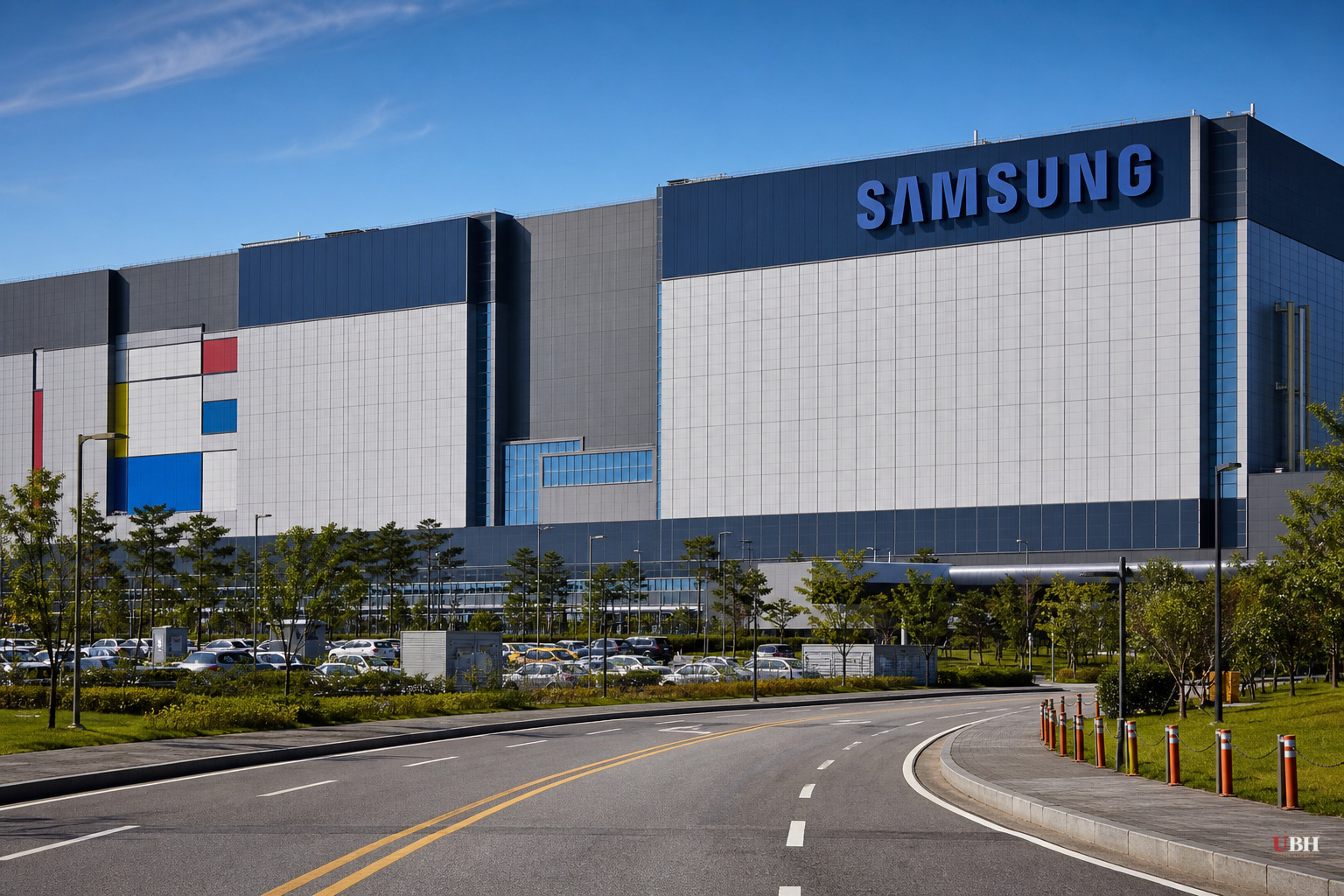
Samsung Electronics quietly raised prices on some of its most advanced contract chipmaking services by up to 15% for new orders placed in July, according to two people familiar with the matter cited by Reuters. The move hits customers just as demand for AI chips has left almost no spare capacity anywhere in the industry.
The increases apply mainly to Samsung's 4-nanometer SF4 process. Customers in China and the U.S. saw prices jump 10% to 15% from the prior month, while Taiwanese customers got a comparatively gentler 5% to 10% increase, one source told Reuters. Samsung's 5-nanometer SF5 wafers rose 10% to 15%, and even the older 8-nanometer line went up nearly 10%.
Samsung declined to comment, telling Reuters it does not discuss operational matters publicly.
Why Chinese Customers Are Paying the Most
Chinese chip designers are absorbing the steepest hikes, and it's not a coincidence. U.S. export controls have blocked China from buying the advanced chipmaking equipment needed to build cutting-edge chips domestically. That leaves Chinese firms with fewer options and less leverage to push back on price, according to the Reuters sourcing.
Demand from Chinese customers has been unusually strong, the sources said, but Samsung hasn't been able to fill every order. The company has to prioritize U.S. customers and hold back capacity for its own chip production, including components for its high-bandwidth memory business.
Washington's export policy was designed to slow China's chip ambitions. One consequence is that Chinese firms now pay more to foreign foundries for the chips they can't make at home.
A Foundry Business Finally Turning a Corner
Samsung's foundry division, the unit that manufactures chips designed by other companies, has lost money every year since 2022, according to industry estimates cited by Reuters. It's been chasing TSMC, the Taiwanese giant that dominates the contract chipmaking business, without much success.
The numbers show how lopsided that race still is. Samsung generated just 7% of global foundry revenue in the first quarter of 2026, according to research firm Counterpoint, compared with more than 70% for TSMC.
But TSMC's factories are booked solid with AI chip orders, and that bottleneck is Samsung's opening. Lee Min-hee, a Seoul-based analyst at BNK Investment & Securities, told Reuters that as TSMC's capacity tightens and its prices rise, customers are shifting to rivals including Samsung and Intel, giving Samsung room to raise its own prices.
Lee said if Samsung keeps pushing prices up, the foundry unit could turn profitable as early as next year, sooner than previously expected.
Samsung itself said in July it expects the foundry business to return to profit in the near future, citing higher factory utilization, improved production yields, and firmer pricing, according to Reuters. The company also pointed to rising sales to major U.S. and Chinese customers.
Running at Full Tilt
Samsung's SF4 production line at its Pyeongtaek plant in South Korea has been running at full capacity since late 2025, a person familiar with the company's operations told Reuters. That line makes logic chips for customers including Qualcomm, plus the base dies used in Samsung's own multi-layer high-bandwidth memory chips.
Samsung expects advanced manufacturing processes to make up more than half of its foundry revenue this year. AI and high-performance computing applications are projected to account for more than 30% of that revenue, up from 15% to 20% in late 2025.
The reporting from Reuters, picked up by both the Economic Times and Free Malaysia Today, is consistent across the board on the numbers and the mechanics. None of the coverage names which specific Chinese or American companies are paying the higher rates, since the sourcing is built entirely on anonymous industry contacts speaking about confidential commercial terms.
Samsung's next earnings report will show whether these July price hikes actually moved the foundry division toward the profitability Lee and the company itself are now predicting.
Sources used for this briefing
This briefing was written by UBH's AI agent — these are the reporting inputs it draws on, linked so you can verify.


