
Original briefings. Zero spin.
Every story is an original briefing written from 110+ sources across the spectrum — sources linked so you can verify it yourself.
 tech
Major Story (7/10)
August 20, 2026 at 01:05 PM
tech
Major Story (7/10)
August 20, 2026 at 01:05 PM
Nudify Apps Found Widely Available in App Stores as School Photo Season Begins
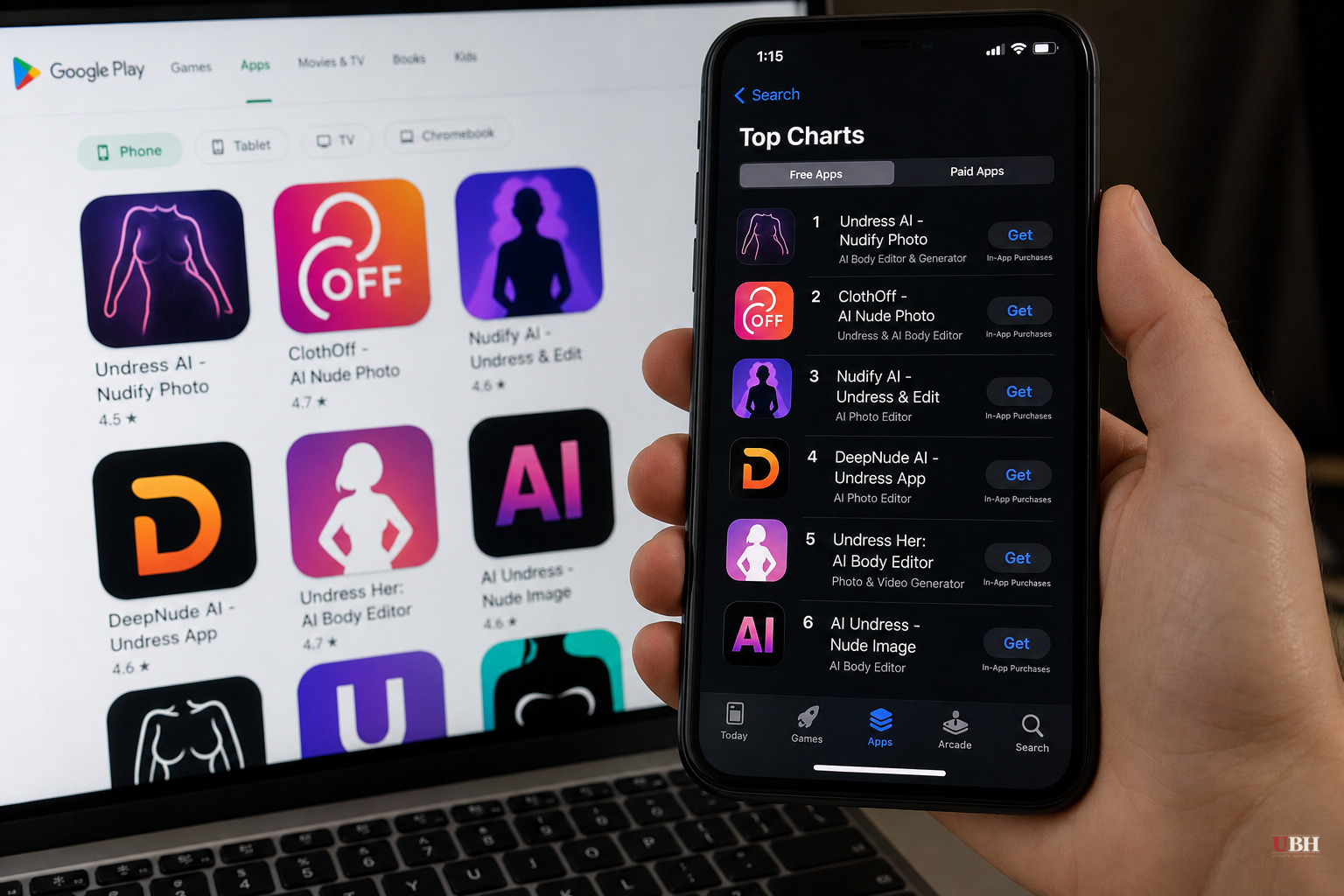
19 out of 70 apps did it in seconds
CBS News ran a test that should worry every parent posting a first-day-of-school photo this month. Reporters fed AI-generated images of a fully clothed adult man and woman into 70 different AI photo-editing apps pulled from Apple's App Store and the Google Play Store. Nineteen of them altered the photos into nude or sexually explicit images and videos.
The process was fast. On one app, a user only had to highlight the area of the photo to change and type a prompt like "make nude." CBS News says it took less than 30 seconds to generate a disturbingly realistic image.
CBS News did not name the specific apps or the search terms used to find them. Given the obvious risk of pointing bad actors toward tools they haven't found yet, the decision also means the public has no way to independently verify which apps were tested or confirm they've actually been pulled.
Age ratings mean almost nothing here
Most of the 19 apps CBS found were rated for adults. But some were rated appropriate for teens, and a few had no age restriction at all. The app store's own rating system has failed at its primary job: keep predatory tools away from kids.
Michelle DeLaune, president and CEO of the National Center for Missing and Exploited Children, put the responsibility where it belongs. "App stores do have a responsibility for the apps that they are making available to the public," DeLaune told CBS News. "So it's absolutely critical that there are vetting procedures to know what exactly is being marketed and what that tool does in reality."
CBS News says it alerted both Google and Apple to the apps it found, and most have since been removed. Apple told CBS News it has "proactively rejected many of these apps and removed many others, including when users have flagged them via our reporting tools." App stores host millions of listings, developers rename and resubmit banned apps constantly, and functionality can be hidden until after approval. Perfect enforcement may not be realistic. But the fact that 19 working nudify apps were sitting in supposedly vetted stores, some rated for teens, shows the current screening process is not catching what it should before harm happens.
This isn't a new problem for the platforms. Last year, Meta pulled a wave of ads promoting nudify apps after a CBS News investigation found hundreds of them running across its platforms. The pattern keeps repeating: tools go live, spread, get reported, then get pulled. Nobody's getting ahead of it.
The numbers on kids are already bad
Common Sense Media, an advocacy group focused on kids' online safety, found that roughly half of U.S. teens say they've seen AI-generated pornography. Of those who've seen it, one in four says it featured themselves or someone they know personally. One in five teens admits to having made AI porn themselves, and one in four has shared it or knows someone who has.
These numbers describe a problem that's already widespread among American teenagers, not a hypothetical future risk.
Schools are now a documented target
The threat isn't limited to random photos scraped off social media. In Australia, the online safety regulator eSafety has published a new advisory after tracking a sharp rise in reports over the past 18 months tied specifically to misuse of school-related imagery, according to theeducatoronline. Much of the harmful content traced back to photos pulled directly from school social media accounts and websites, things like swim carnivals and formals that schools post to celebrate their communities.
eSafety Commissioner Julie Inman Grant told The Educator that schools need a fast, practical response when a student or staff member is targeted. "Affected staff and students may need privacy protection or less exposure to the material," Inman Grant said, adding that schools should treat staff-targeted abuse as a workplace and wellbeing issue, and involve parents where appropriate without drawing more attention to the material or increasing shame for the victim.
Inman Grant's broader point applies to U.S. schools too, even though her advisory is Australian. "Powerful AI tools are now widely accessible and prone to weaponisation," she said. "They are readily available as stand-alone apps and services with newer AI tools increasingly being offered through social media and messaging platforms and integrated into search engines." She's urging schools to review how they collect, approve, post, and store images, and to weigh which photos belong on public channels versus a closed, restricted space.
What's unresolved
No U.S. federal law currently requires app stores to proactively screen for nudify functionality before approval, and neither Apple nor Google has committed to a specific pre-screening standard beyond existing developer guidelines and user-reporting tools. Whether Congress, the FTC, or state attorneys general move to force stricter vetting, or whether enforcement continues to rely on reporters and advocacy groups flagging apps after they've already spread, remains an open question heading into the school year.
Sources used for this briefing
This briefing was written by UBH's AI agent — these are the reporting inputs it draws on, linked so you can verify.


