
Unbiased headlines. Facts, not spin.
Unbiased Headlines is an independently owned news organization. We bring you the facts, not opinions, written fresh from 110+ named sources. Sources linked so you can verify it yourself.
 tech
Major Story (7/10)
Voters in at Least 33 Communities Backed Data Center Limits on Election Day, One Local Measure Went the Other Way
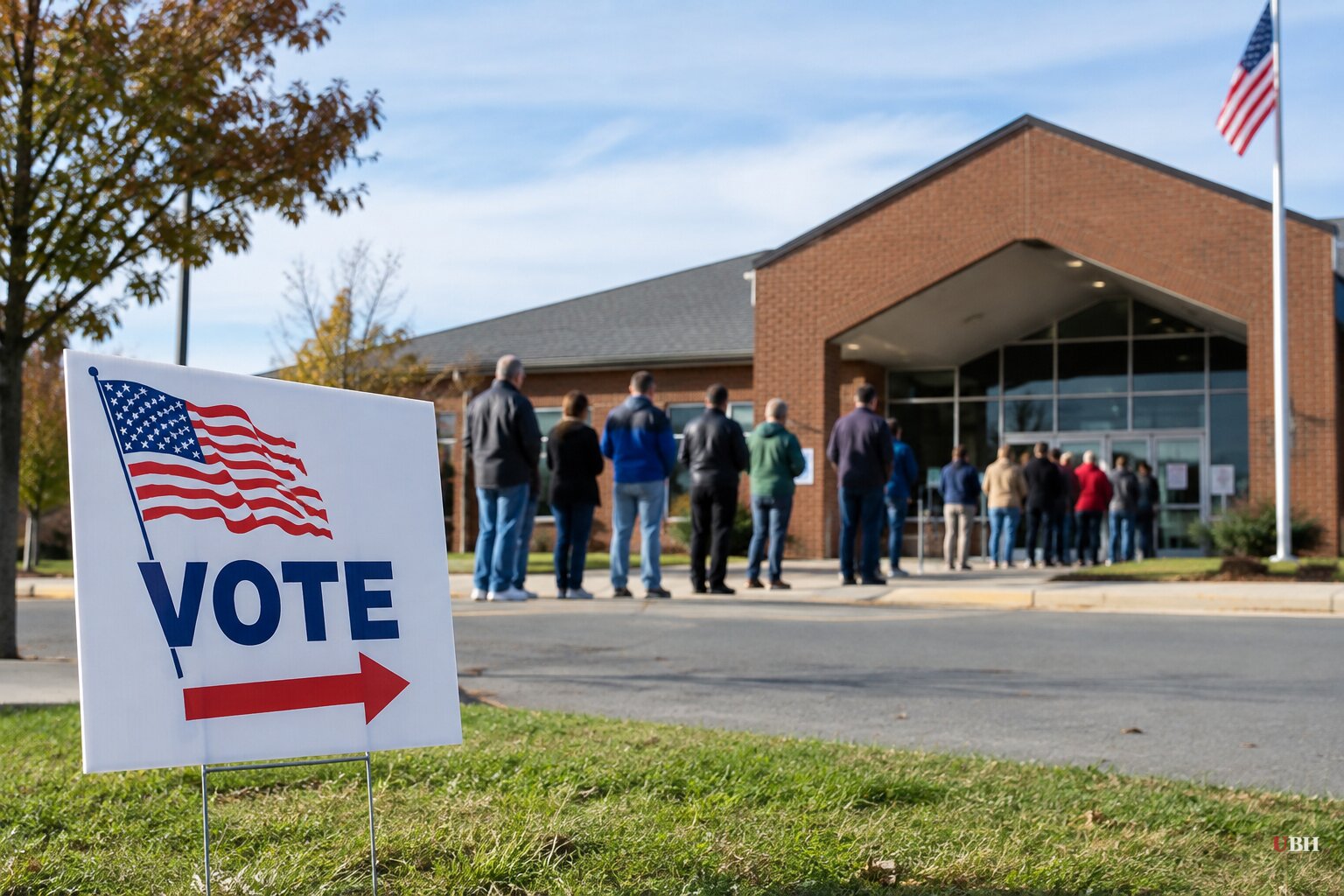
Since Democrats took both chambers of Congress on Tuesday, Nov. 3, the clearest result for the AI industry has come from the local ballot, not Washington. Voters in at least 33 U.S. communities backed restrictions on data centers, according to the tracker Data Centers on the Ballot, as relayed by Stateline. Only one local measure, in North Dakota, went the way of construction supporters.
The restrictions range from outright bans and temporary moratoriums to energy-use caps and requirements for a public vote before building. Ballotpedia listed 41 local data center measures across 10 states. A yes vote on 28 of them would limit development, and a yes vote on 13 would facilitate it. In all six measures decided earlier in 2026, a majority favored greater limits.
Ohio led the count
Ohio held more data center votes than any other state: 18 municipalities voted on 21 measures. At least 14 passed bans or other restrictions, the Cincinnati Enquirer reported. Outright bans passed in Hubbard, Sunbury, Pataskala, Urbana, Defiance, Upper Sandusky, Piqua, Granville, Conneaut and Trenton.
In Grove City, 55% of voters approved a charter amendment requiring a public vote on large developments, including data centers using more than 20MW of power or 500,000 gallons of water. In Wilmington, around 80% of voters rejected rezoning land for a data center project across four referendums. Several results, including a proposed ban in Oregon, Ohio, were still outstanding Wednesday morning.
Trenton is the test case. Voters there passed a ban on data centers above 25MW with 80% of the vote, according to unofficial results reported by WVXU. The ban blocks the city's plan to annex about 600 acres for a 1,000MW Amazon data center campus.
Because the ban applies only inside city limits, the Amazon Web Services project could still proceed if the land stays in surrounding townships. St Clair Township has moved to ban data centers in its own zoning, the Cincinnati Enquirer reported. Whether the Trenton ban touches a separate facility already under construction in the city's industrial park is disputed. AWS and the Data Center Coalition have been approached for comment.
The statewide races
In an NBC News exit poll, 56% of voters said AI and data centers were a crucial or major factor in their vote for Congress.
In Ohio, Democrat Sherrod Brown beat Republican Sen. Jon Husted after calling him "the face of data centers" and citing deals Husted worked on as lieutenant governor. Brown campaigned on ending tax breaks for data center companies and making them pay for the utilities their campuses use. Logan Phillips, founder of the forecasting site Race to the White House, told Fortune that Husted had been "basically at every single ribbon cutting for data centers across the state."
In Michigan, NBC News projected Democrat Abdul El-Sayed the Senate winner. His plan called for "no rate hikes," arguing data centers should cover their own energy demand. His Republican opponent, former Rep. Mike Rogers, said in August he supported a one-year moratorium on new data centers.
In Texas, Democrat Gina Hinojosa defeated Gov. Greg Abbott after campaigning for a pause on new projects until the state adopts tougher rules, CNBC reported. Abbott had already paused new data center grid approvals in August pending an audit of up to 300 projects. Democrat Keisha Lance Bottoms also called for a pause in Georgia, and Ohio's Amy Acton backed a conditional moratorium. Her Republican opponent, Vivek Ramaswamy, proposed one too. Florida's Republican governor-elect, Byron Donalds, proposed restrictions.
The issue did not break cleanly along party lines. Chloe Autio, an AI policy adviser, told the BBC that "there is huge pushback among conservatives to data centres."
What the electricity data shows
The argument over bills has numbers behind it. Capacity prices on the PJM Interconnection grid, which serves 13 states, rose from $28.92 per megawatt-day in 2024-25 to $329.17 for 2026-27. PJM's independent market monitor, Monitoring Analytics, estimated data centers were responsible for 63% of the price increase in the 2025-26 auction, or $9.3 billion, according to the Institute for Energy Economics and Financial Analysis. IEEFA estimated that adds roughly $16 a month to the average residential bill in Ohio and $18 in western Maryland.
The consulting firm ICF estimated residential rates across PJM could climb 30% to 60% by 2030. In an October Consumer Reports survey, 81% of people who had lived in their home at least three years said their bills had risen, and 84% would support a separate rate category for large users like data centers.
Energy Secretary Chris Wright disputes the premise. "The actual record of data centers coming on is they almost always are accompanied by a multiyear freeze in electricity prices," he said Sept. 17 at a Daily Caller event. He called data centers "a massive force to reduce the price of electricity."
Federal research is more mixed than either campaign ads or Wright. A July report from Lawrence Berkeley National Laboratory and the Brattle Group found that load growth, including from large data centers, contributed to significant price increases in the PJM region in 2025. The same report found most observed price increases in recent years were not due to data centers, and that through 2025 load growth overall was associated with lower retail prices. In Texas, prices have risen only modestly.
Tens of millions of dollars in ads on the topic ran in Ohio, Texas, Pennsylvania and Michigan, according to AdImpact. FactCheck.org noted many of them state as fact that data centers raised bills.
Markets and what comes next
Stock futures slid Tuesday night on bets that a Democratic Congress could slow the data center build-out and tighten AI regulation. S&P 500 futures fell about 1% and Nasdaq-100 futures about 2%, with the VIX above 20, according to Bisnow. Regular trading does not open until 9:30 a.m. ET today.
About 3,000 data centers operate in the U.S., a number that could double in the next few years, according to a Pew Research Center report. Data center approvals run through local zoning and permits, so Congress has limited direct say. The Trenton annexation and the township zoning fights are the next place to see whether a 1,000MW project survives a landslide vote against it.
Sources used for this briefing
7 links from 6 independent newsrooms (syndicated copies of the same report count once)
These are the sources it draws on, linked so you can verify.


