
Original briefings. Zero spin.
Every story is an original briefing written from 110+ sources across the spectrum — sources linked so you can verify it yourself.
 tech
Notable (6/10)
August 20, 2026 at 03:58 PM
tech
Notable (6/10)
August 20, 2026 at 03:58 PM
CFTC Chair Says Agency Will Write Crypto Rules With or Without Congress
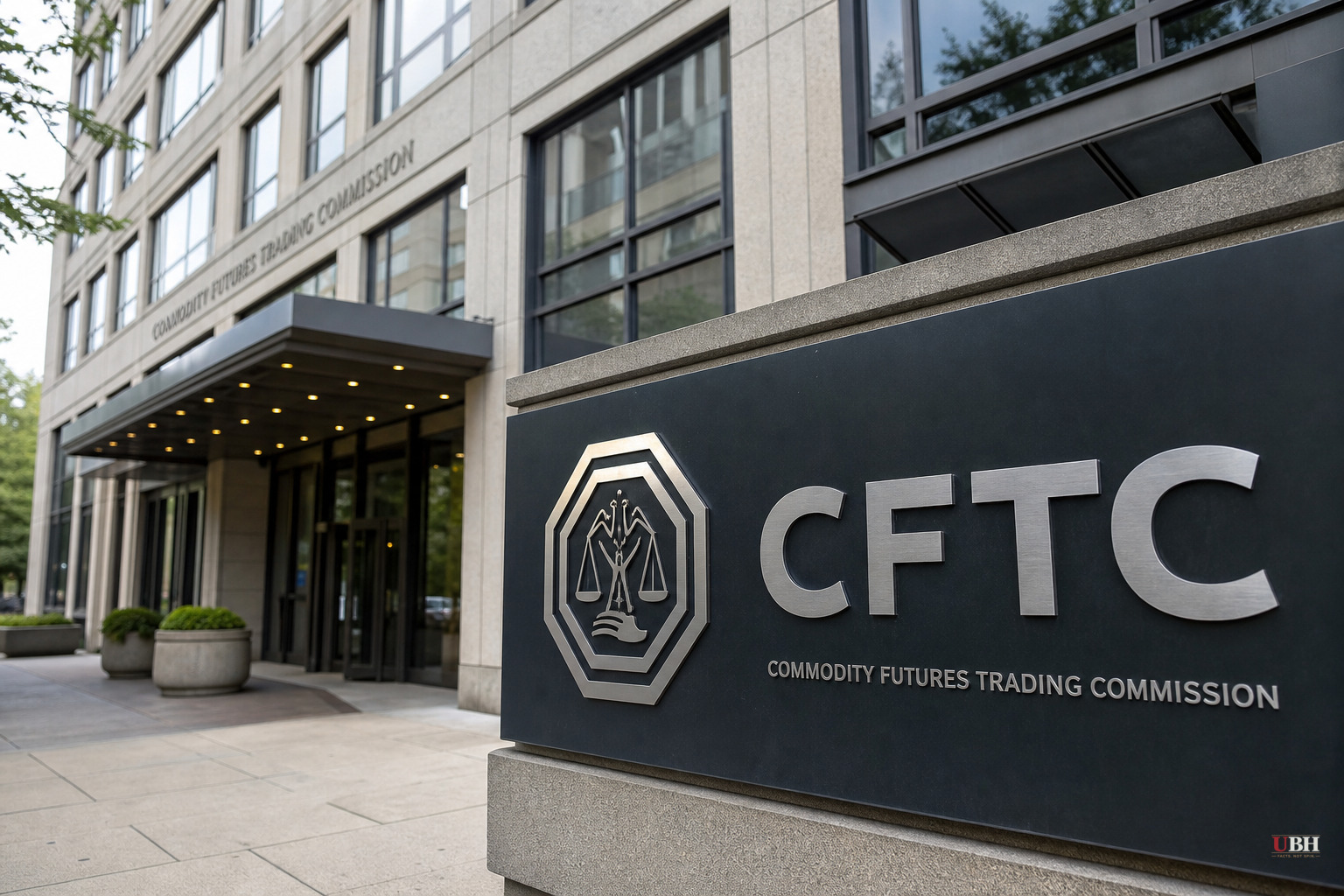
CFTC Chairman Michael Selig isn't waiting around for the Senate.
Selig told Bloomberg TV on Thursday, August 20, ahead of the CFTC's first Innovation Advisory Committee meeting, that the agency already has crypto market structure proposals drafted and ready to go. His message: Congress passing the CLARITY Act would be the cleanest path, but it's not the only path.
"Establishing market structure is critical," Selig said, according to a Bloomberg report cited by KuCoin's ChainCatcher. "We can achieve this through regulatory rulemaking or through legislation."
Whale Insider reported the same theme on August 20, quoting Selig saying flatly: "Crypto will get market structure regardless of bill."
What Selig Didn't Say
Here's the catch nobody in these reports pins down. Selig hasn't said which proposals are actually finished, when they'd get published, or how much of a real framework the CFTC can build without new legal authority, according to crypto.news. That matters, because right now the CFTC's regular oversight covers derivatives: futures, options, and swaps tied to digital assets. It also has enforcement power over fraud and manipulation in spot commodity markets.
What it does NOT have is routine, ongoing supervisory authority over spot crypto exchanges, the way it does over registered derivatives platforms. That gap is exactly what the CLARITY Act is designed to close.
When Selig says the agency will act "regardless," the practical reality is this: the CFTC can tighten rules on futures markets, disclosure requirements, and registered derivatives venues right now. A full federal framework for spot crypto trading, the kind that would clearly tell Coinbase, Kraken, and Robinhood which cop is on the beat, still needs Congress.
The CLARITY Act Timeline
The CLARITY Act passed the House in 2025. It's been stuck in the Senate since, according to the Bitcoin Foundation. Senate Majority Leader John Thune filed cloture on the motion to proceed before lawmakers left for August recess, and CoinGape reports the Senate has scheduled the actual cloture vote for September 15, after recess ends.
That vote needs 60 votes to succeed. Republicans control the Senate but don't have 60 seats, so this requires Democratic votes. CryptoRank's coverage, via CryptoSlate, notes real controversy remains over the bill, meaning passage before Congress pivots to the November midterms is genuinely uncertain.
The sticking points, per multiple reports, include how the bill treats decentralized finance, ethics restrictions on lawmakers and regulators, and whether stablecoin holders can earn rewards on their balances. The Bitcoin Foundation's coverage specifically flags that the bill has "stalled in the Senate over ethics and other issues."
Trump Weighs In
President Trump pushed hard for the bill at a White House crypto meeting on August 19, the day before Selig's comments. Trump called for Congress to pass what he described as a "fair version" of the CLARITY Act, framing it as necessary to keep America ahead of China in crypto and AI, according to the Bitcoin Foundation's account of the event.
Reuters reported that Coinbase CEO Brian Armstrong, Robinhood CEO Vlad Tenev, Kraken co-CEO Arjun Sethi, and Intercontinental Exchange CEO Jeffrey Sprecher attended. MarketWatch added Ripple CEO Brad Garlinghouse to the list, along with SEC Chair Paul Atkins, Selig himself, and White House crypto adviser Patrick Witt.
That's a room full of people who want this bill passed. All of them have a direct financial stake in a Republican-negotiated regulatory framework getting written into law rather than left to shifting agency rules.
The Staffing Problem Nobody's Talking About
There's a practical wrinkle here that crypto.news flagged. The CFTC is supposed to have five commissioners. Right now it has one, Selig. The agency's workforce has also shrunk from its fiscal 2025 staffing level.
If Congress hands the CFTC primary oversight of a huge chunk of the digital asset market, as the CLARITY Act would, that's a massive new workload for a commission that's currently understaffed at both the top and the rank-and-file level. Selig's confidence that the agency can regulate crypto "regardless" of legislation runs into a basic resource question: with what staff?
What's Actually Unresolved
Both the SEC and CFTC can write rules without Congress right now, but neither can make them permanent or comprehensive the way statute would. Agency rules can be reversed by a future administration or struck down in court. A law passed by Congress can't be undone by the next chairman's mood.
So the real question isn't whether the CFTC will do something before September 15. It's whether whatever the CFTC drafts on its own authority will hold up once a Democratic administration, or even a future Republican one with different priorities, takes over. That answer won't come until after the Senate either passes the CLARITY Act or lets it die trying.
Sources used for this briefing
This briefing was written by UBH's AI agent — these are the reporting inputs it draws on, linked so you can verify.


