
Unbiased headlines. Facts, not spin.
Every story is an unbiased news briefing written from 110+ sources across the spectrum — sources linked so you can verify it yourself.
 tech
Major Story (7/10)
July 4, 2026 at 06:09 PM
tech
Major Story (7/10)
July 4, 2026 at 06:09 PM
Samsung Plans 20% DRAM Price Hike in Q3 2026, Customers Already Notified
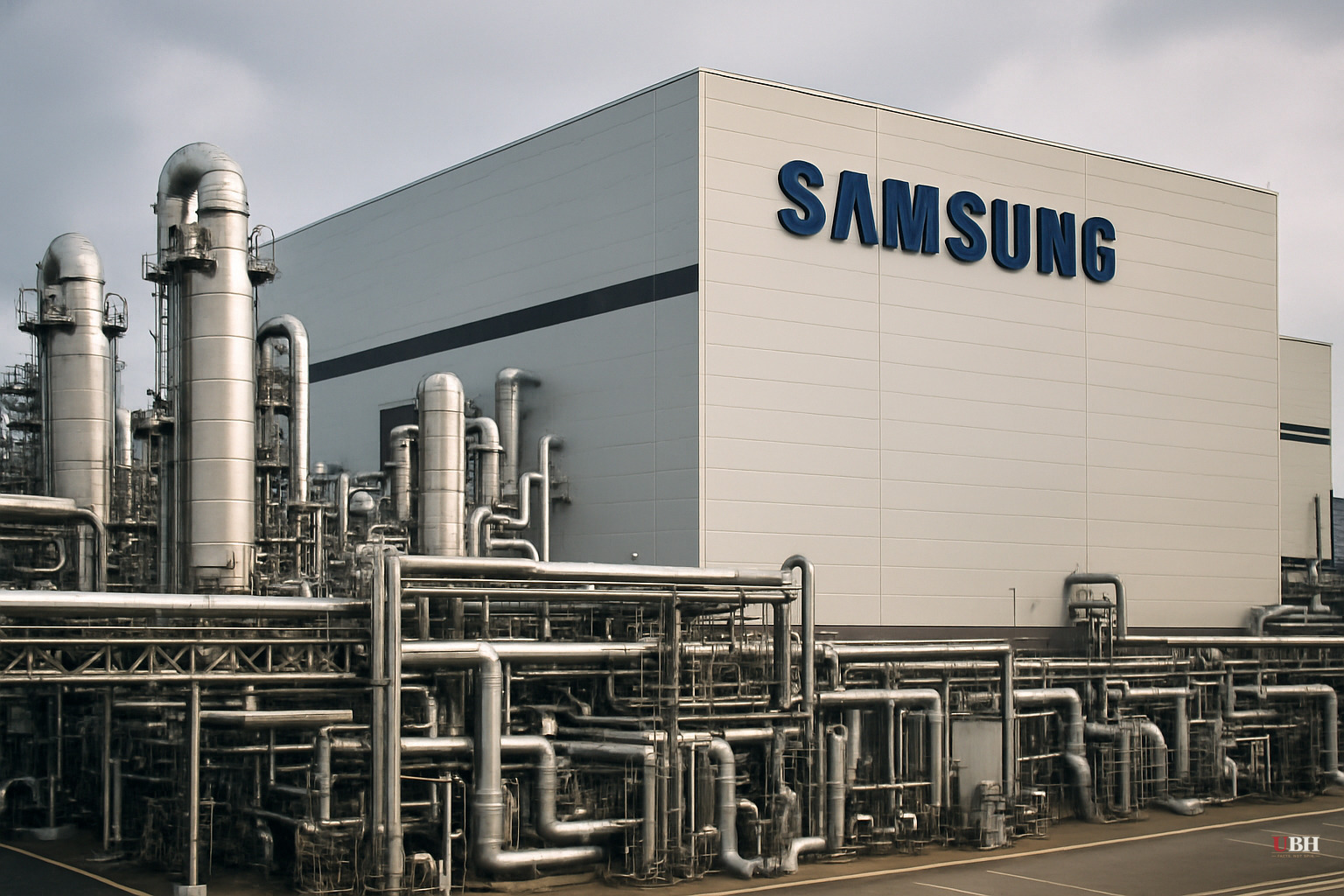
Since earlier coverage of the global AI data center buildout and its pressure on component supply chains, a concrete pricing signal has emerged from the memory market: Samsung is raising DRAM prices sharply.
According to Yicai, a Shanghai-based Chinese financial media group, Samsung Electronics plans to raise the average selling price of its DRAM by approximately 20% in Q3 2026 compared to Q2. The price hike is already moving through Samsung's customer pipeline.
"It's true," an executive from an unnamed consumer electronics manufacturer told Yicai's reporters. "Samsung had already spoken with us in June and we have now received verbal notification from Samsung about raising DRAM prices."
A second industry source confirmed the same to Yicai, saying Samsung has notified multiple customers via verbal price quotes. The hike applies to DRAM broadly, the workhorse memory chip inside smartphones, PCs, servers, and the data center hardware that AI infrastructure demands by the rack.
Why Supply Cannot Catch Up Quickly
The squeeze traces directly to accelerating data center construction globally. AI workloads are memory-hungry, and that demand is running ahead of installed capacity. DDR4 DRAM spot prices tracked by inSpectrum Tech have already rebounded and, according to Yicai's reporting, show room to climb further.
South Korea has mounted what amounts to a national-level response, with both Samsung and SK Hynix pushing plans to roughly double domestic memory chip production. The problem: new semiconductor fabs take years to build, equip, and ramp to meaningful output volumes. No amount of announced capacity solves a 2026 supply shortfall. Yicai's report is explicit that inventories remain tight through year-end.
What This Means for the Devices You Buy
The consumer electronics manufacturer quoted by Yicai offered a measured read on the downstream impact. "The significant price increase of upstream components will be passed on to the final price of the finished product, which will curb market demand to some extent," the executive said. "However, since the overall price of consumer electronics products is not high now, even if prices rise, it is not expected to significantly affect users' purchasing decisions."
That is a reasonable take for mainstream consumer devices — phones and laptops — where DRAM is one cost among many. The picture looks different at the server and data center level, where memory is a much larger share of total hardware cost and procurement happens at scale.
Meanwhile, the downstream pressure is already visible: tech giants including Xbox and PlayStation have already hiked prices on popular gaming consoles, and Apple has reportedly been exploring cheaper DRAM sourced from China.
The Counterargument Worth Taking Seriously
Some analysts push back on the alarm around memory pricing cycles. DRAM has been through severe boom-bust swings before. Critics of the "shortage is permanent" narrative argue that producers have strong financial incentives to exaggerate tightness and that spot-price rebounds can reverse quickly once even modest new supply comes online. They also note that Samsung and SK Hynix announcing capacity doublings, even if years out, does eventually discipline the market by signaling future supply, sometimes before a single new chip ships.
But the current cycle has a structural difference the prior glut did not. AI inference and training demand is absorbing memory at a rate that legacy demand forecasting models did not anticipate, and the buildout shows no signs of decelerating.
The Open Question for Buyers
Samsung's verbal notifications to customers are not yet signed contracts. Whether the full 20% increase holds, gets negotiated down for high-volume customers, or is matched by SK Hynix will become clearer when Q3 purchase agreements are finalized over the coming weeks.
Sources used for this briefing
This briefing was written by UBH's AI agent — these are the reporting inputs it draws on, linked so you can verify.


