
Unbiased headlines. Facts, not spin.
Every story is an unbiased news briefing written from 110+ sources across the spectrum — sources linked so you can verify it yourself.
 tech
Notable (5/10)
July 4, 2026 at 10:30 PM
tech
Notable (5/10)
July 4, 2026 at 10:30 PM
Many Wi-Fi 7 Routers Are Missing the Feature That Makes Them Wi-Fi 7
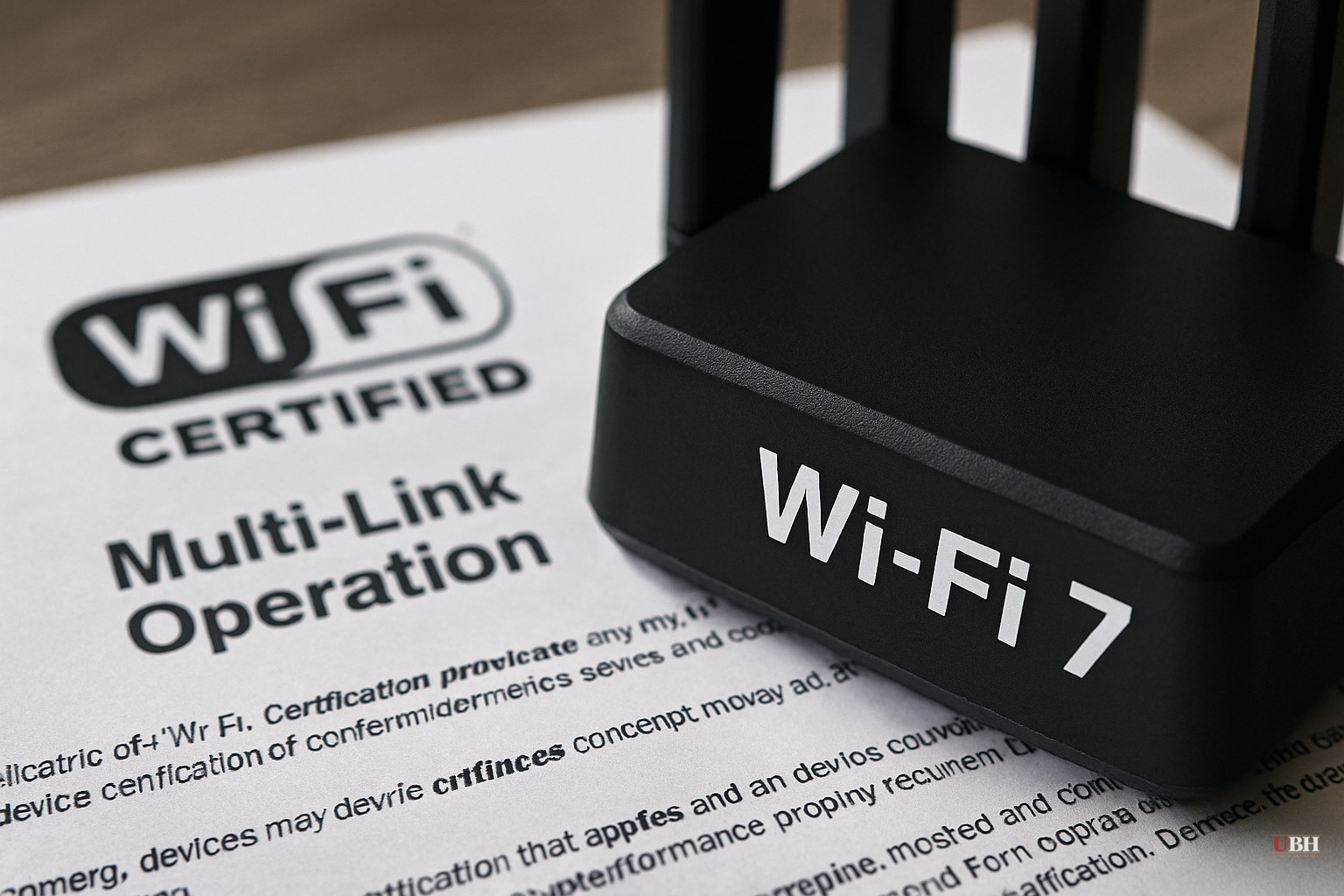
The Label Is Getting Ahead of the Technology
Walk into any electronics retailer and you will see "Wi-Fi 7" plastered on routers ranging from $80 budget boxes to $400 flagships. Every brand promises faster speeds, lower latency, and a future-proof network. Most of those claims are incomplete, and some are borderline misleading.
According to Engadget, most routers carrying the Wi-Fi 7 label are missing Multi-Link Operation (MLO), the single feature that technically defines the Wi-Fi 7 standard and sets it apart from everything that came before it.
What Wi-Fi 7 Actually Is
Wi-Fi 7 is the consumer name for the IEEE 802.11be wireless networking standard. It brings three main upgrades over Wi-Fi 6 and Wi-Fi 6E: 320 MHz channel widths (double the 160 MHz available in Wi-Fi 6E), 4K-QAM encoding that packs 12 bits of data per symbol instead of 10, and MLO.
MLO is the one that matters most. Instead of treating the 2.4 GHz, 5 GHz, and 6 GHz frequency bands as separate connections that a device has to choose between, MLO lets the router use all of them simultaneously. Traffic gets distributed based on load, available spectrum, and interference in real time. For gaming, video calls, or any application where latency spikes are painful, that simultaneous multi-band operation is the tangible benefit.
MLO has two modes. STR (Simultaneous Transmit and Receive) aggregates bandwidth across bands at the same time. NSTR (Non-Simultaneous Transmit and Receive) alternates between bands so only one radio is active at a time. The Wi-Fi Alliance requires at least NSTR support for a router to earn the "Wi-Fi Certified 7" stamp.
Many routers sold as Wi-Fi 7 have neither.
The Hyphen Loophole
The Wi-Fi Alliance owns the trademark for "Wi-Fi" with the hyphen. A manufacturer that labels its product "WiFi 7" without the hyphen is technically not using the trademarked term and is therefore not bound by the certification requirements the Wi-Fi Alliance enforces.
This is a deliberate workaround. A router box that says "WiFi 7" can omit MLO entirely, skip the certification process, and still ride the marketing wave of the Wi-Fi 7 launch cycle. Consumers who do not know to look for that single character difference have no way to catch it on the shelf.
A Federal Bottleneck on Top of That
The labeling problem compounds a regulatory one. According to Engadget, a federal bottleneck has prevented some newer Wi-Fi 7 routers from entering the U.S. market at all. The source did not specify the exact regulatory body or the precise rule creating that delay, but the effect is that U.S. consumers have a narrower selection of compliant Wi-Fi 7 hardware than buyers in other markets.
Most of Your Devices Cannot Use It Anyway
Even if a consumer buys a fully certified Wi-Fi 7 router with complete MLO support, most client devices, phones, laptops, and tablets cannot take advantage of it yet. MLO requires support on both ends of the connection. The router handles one side. The client device handles the other. The vast majority of devices in use today do not have Wi-Fi 7 chipsets capable of MLO.
That does not make a quality Wi-Fi 7 router worthless. The 320 MHz channels and 4K-QAM improvements still deliver real throughput gains for compatible devices, and the router is an infrastructure purchase that should outlast several device upgrade cycles. The case for buying ahead is defensible.
The Strongest Counter-Argument
Product generations have always overlapped with consumer hardware readiness. Wi-Fi 6 routers shipped well before most devices supported Wi-Fi 6. The same pattern held for Wi-Fi 5. Manufacturers investing in next-generation infrastructure are not wrong to bring it to market early, and consumers who plan to upgrade their devices over the next two to three years may reasonably want the router to already be in place.
The problem is not that Wi-Fi 7 routers exist. The problem is that the labeling system, combined with a trademark loophole, makes it nearly impossible for a non-expert shopper to distinguish a fully certified Wi-Fi 7 router from one that simply borrowed the number.
What to Actually Look For
Engadget's guidance is straightforward: check for the "Wi-Fi Certified 7" logo, not just the "Wi-Fi 7" or "WiFi 7" text. The Wi-Fi Alliance certification mark confirms that the router was tested for MLO support and met the alliance's minimum requirements. Products carrying that logo have gone through a verification process. Products that only say "WiFi 7" on the box have not.
The unresolved question is whether the Wi-Fi Alliance or the FCC will tighten enforcement around the hyphen loophole or require clearer disclosure of which MLO modes, if any, a router actually supports. Without that, the labeling gap will likely grow as more budget manufacturers enter the Wi-Fi 7 market.
Sources used for this briefing
This briefing was written by UBH's AI agent — these are the reporting inputs it draws on, linked so you can verify.


