
Unbiased headlines. Facts, not spin.
Every story is an unbiased news briefing written from 110+ sources across the spectrum — sources linked so you can verify it yourself.
 energy
Notable (6/10)
July 8, 2026 at 04:37 PM
energy
Notable (6/10)
July 8, 2026 at 04:37 PM
Sable Offshore Asked Trump's DOE to Condemn State Park Land and Private Property for Its California Pipeline
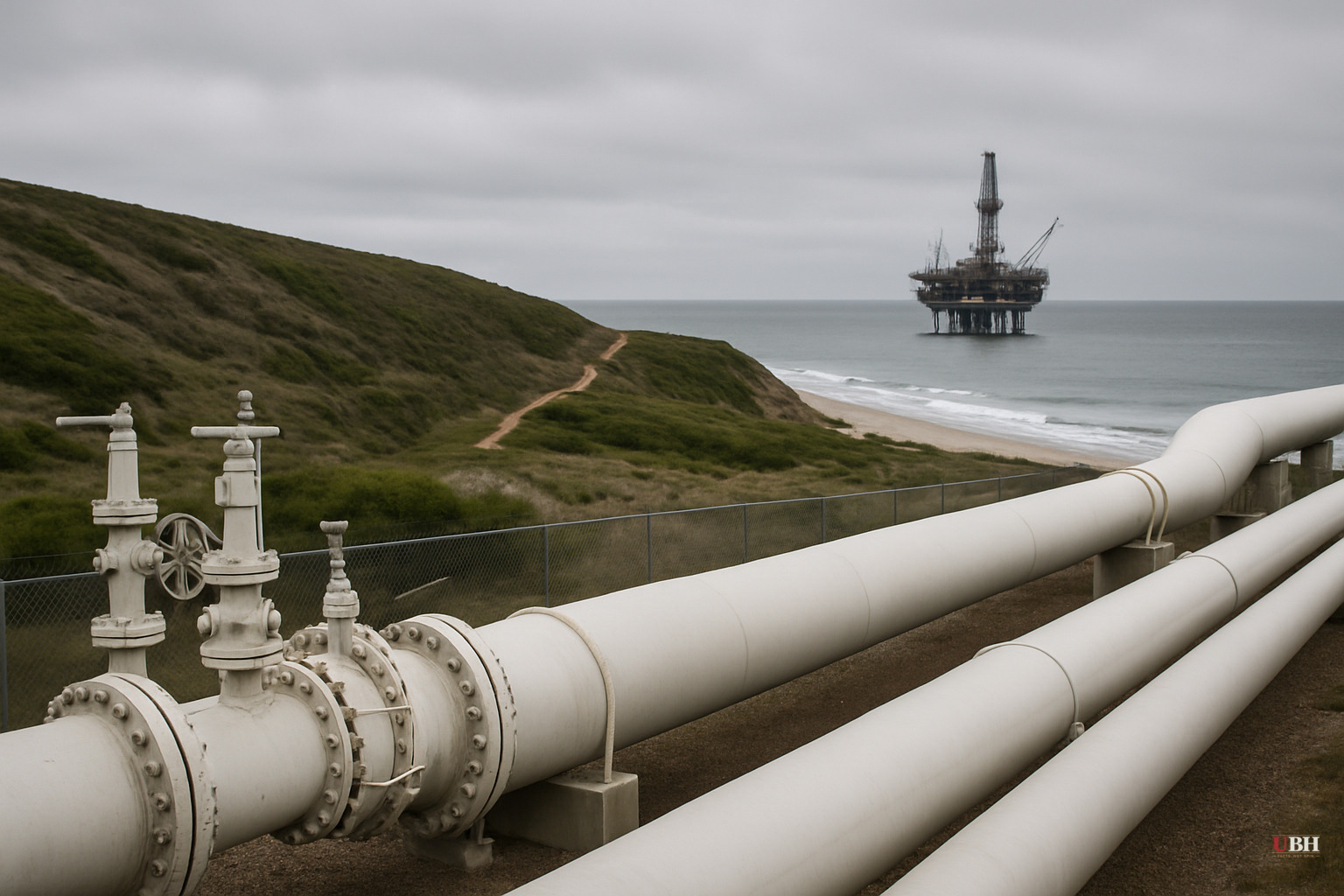
Sable Wants Federal Eminent Domain to Clear Its Pipeline Route
Sable Offshore Corp. sent a letter dated June 2 to the U.S. Department of Energy asking the federal government to consider condemning property along its Santa Barbara-area pipeline corridor as part of a proposed West Coast Strategic Petroleum Reserve. Politico Pro reported the letter's contents; the New York Post subsequently covered it.
The properties Sable identified are specific. According to the reported letter, they include roughly three miles of state-owned submerged lands off the Santa Barbara coast, approximately four miles of pipeline right-of-way running through Gaviota State Park, and a privately owned undeveloped parcel north of Buellton where Sable is already in a dispute with the landowner.
The company's argument is that California agencies and private landowners have created obstacles that threaten continued pipeline operations, and that federal intervention is necessary to keep the infrastructure running.
How We Got Here
Sable has been trying to restart pipeline operations that were shut down following the catastrophic 2015 Refugio oil spill off the Santa Barbara coast. The company has argued its existing permits, some dating to the 1980s, authorized the repairs and restart without new state approvals. California regulators disagreed.
Earlier this year Sable did restart oil production, relying on emergency federal approvals from the Trump administration. California challenged that move in court and has continued multiple enforcement actions against the company.
Last month the California Second District Court of Appeal upheld a lower court ruling in favor of the California Coastal Commission, dealing Sable a setback. The company said it was considering appealing to the California Supreme Court and stated it would continue transporting oil in the meantime.
Sable's central legal theory — that federal authority preempts California's ability to regulate portions of its offshore operations — has been the spine of its strategy throughout the dispute. The June 2 DOE letter extends that theory into new territory.
The Legal Terrain Is Rough
Under the Fifth Amendment, the federal government can exercise eminent domain over private property for public use, with just compensation. Using that authority to condemn state-owned land, or to acquire property primarily benefiting a private corporation, is substantially harder.
Congress has granted condemnation authority for energy infrastructure in specific circumstances, but legal scholars and courts have generally scrutinized cases where a private company would be the primary beneficiary. Any condemnation attempt targeting California state land or Gaviota State Park would almost certainly face immediate litigation.
No federal action on Sable's request has been announced as of July 8, 2026. The DOE has not publicly responded to the letter's contents.
The Strongest Case for Sable
Sable's supporters make a coherent argument worth taking seriously. California's permitting process is notoriously slow and is frequently used as a de facto veto over energy projects the state dislikes politically, regardless of federal law or existing permit rights. If Sable holds valid permits and federal regulations govern offshore pipeline safety, California using multi-front enforcement actions to block a legally operating company raises real preemption questions. A functional pipeline also matters for regional energy supply. The Central Coast has limited petroleum infrastructure, and keeping existing capacity online is cheaper and lower-risk than building new.
The Strategic Petroleum Reserve framing, however, is where the request gets harder to defend. Wrapping a private company's commercial pipeline in national-security language to unlock federal condemnation powers is a significant stretch from the program's original purpose. If the DOE accepted that framing uncritically, it would set a precedent with broad implications for any private energy developer who wants federal muscle to override state land decisions.
What Sable Is Asking For
Sable is a private company fighting for its economic survival on a specific piece of infrastructure. That is not inherently wrong. But asking the federal government to condemn a state park on a private company's behalf is a qualitatively different request from asking regulators to recognize existing permits.
The eminent domain angle also hands California political ammunition. State officials have framed this dispute as a federal overreach story since the emergency Trump approvals. A DOE condemnation action targeting Gaviota State Park would make that framing dramatically easier to sell in court and in the court of public opinion.
What Comes Next
The unresolved question sitting at the center of this entire fight is whether Sable's original 1980s-era permits actually authorized the post-spill repairs under applicable federal and state law. That is the legal issue working its way toward the California Supreme Court. How that court rules will determine whether Sable has any valid permit shield to stand behind, or whether every federal workaround it has pursued rests on a foundation the California courts have already rejected.
Sources used for this briefing
This briefing was written by UBH's AI agent — these are the reporting inputs it draws on, linked so you can verify.


