
Unbiased headlines. Facts, not spin.
Every story is an unbiased news briefing written from 110+ sources across the spectrum — sources linked so you can verify it yourself.
 energy
Major Story (7/10)
August 6, 2026 at 10:22 PM
energy
Major Story (7/10)
August 6, 2026 at 10:22 PM
RWE Takes $1.22 Billion From Taxpayers to Drop Offshore Wind, Pushing Trump Buyback Total to Nearly $4 Billion
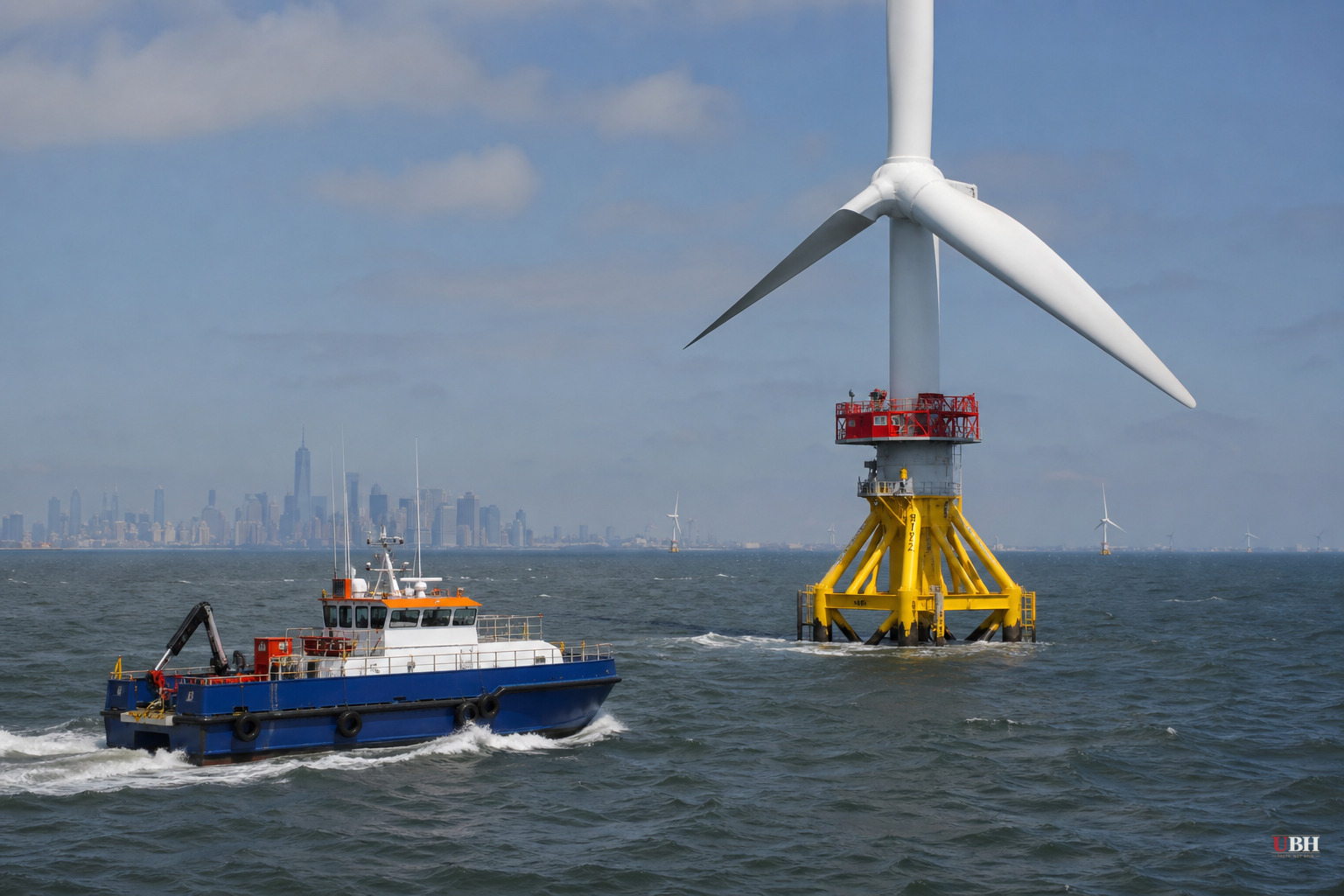
Since the Trump administration's first offshore wind buyback deal with TotalEnergies, the government has now struck five of these agreements, and the RWE deal announced Thursday is the biggest one yet at $1.22 billion.
RWE, Germany's largest energy company, agreed to walk away from offshore wind leases off New York, California and Louisiana in exchange for the payout from the Interior Department. The company had paid $1.1 billion for its New York lease alone back in a 2022 auction under the Biden administration, plus a combined $163 million for the Louisiana and California sites, according to Reuters.
That's real money changing hands in both directions. RWE sank over $1.2 billion into leases the U.S. government auctioned off in good faith four years ago. Now the same government is paying the company almost exactly that amount to walk away.
RWE isn't just pocketing the settlement and leaving. The company says it will use $900 million of the proceeds to buy a 16% stake in an unnamed Louisiana LNG terminal, and has signed a separate $300 million turbine reservation agreement to build 15 natural gas peaker plants across the country. In its own statement, RWE said the deal lets it "direct resources toward energy projects that can be advanced with certainty."
RWE isn't claiming the wind projects were bad investments on the merits. The company said "there is no path forward to permit these projects in the US for the foreseeable future." That's a direct acknowledgment that the permitting environment, not economics or engineering, killed the leases.
Interior Secretary Doug Burgum framed the deal as a win for grid reliability, saying the government "welcomes RWE's agreement and voluntary investment in projects that strengthen our nation's energy security, provide dependable baseload power, and help keep electricity affordable for hardworking Americans."
That's a defensible policy position. Natural gas peaker plants and LNG infrastructure genuinely do provide the kind of on-demand baseload power that offshore wind, dependent on weather and years from completion, does not. If the administration's priority is grid stability and lower near-term electricity costs, redirecting private capital toward gas is a coherent bet, even if you disagree with the premise that wind projects were doomed anyway.
This is the federal government paying a private company nearly $1.22 billion to not build something the government itself approved and permitted years earlier. According to the Guardian, the running total across five deals, including earlier agreements with TotalEnergies and Duke Energy that totaled $2.7 billion, now sits at almost $4 billion in taxpayer money spent specifically to unwind offshore wind projects.
The Environmental Defense Fund's California Senior Director, Katelyn Roedner Sutter, pointed out that the buybacks have now claimed three of California's five offshore wind leases: Golden State Wind, Bluepoint Wind and the Canopy Offshore Wind Project. EDF says those three projects together represented 5.6 gigawatts of potential capacity, enough to power more than 2 million homes. California has already filed two notices of intent to sue over the earlier buyouts, according to EDF, and the RWE deal adds a third target.
New York's situation is legally further along. After the TotalEnergies settlement, seven states including New York sued the administration, with New York Attorney General Letitia James calling that earlier deal a "sham deal" and an "illegal agreement." Whether that suit, or the notices of intent from California, will extend to the RWE settlement is an open question. The legal theory would presumably be the same: that these payouts are an end-run around permitting law rather than a legitimate voluntary settlement.
RWE isn't a victim. The company negotiated a settlement that essentially returns its original investment and funds its pivot into gas and LNG, a business RWE clearly views as more viable under this administration. The taxpayer is the one writing the check with no wind capacity, no gas capacity yet built, and no guarantee the peaker plants or LNG stake ever get finished on the timeline promised.
The Guardian's coverage also noted that the administration has separately spent up to $1.1 billion boosting coal, which critics, unnamed in that report, argue benefits industry insiders while raising consumer energy bills. That claim is an allegation, not something proven in the sourcing, and it deserves to be treated as such rather than repeated as fact.
What's unresolved is straightforward: how many of the remaining offshore wind leases nationwide get bought out next, what total taxpayer liability this reaches, and whether New York's and California's legal challenges succeed in unwinding any of these settlements before more billions go out the door.
Sources used for this briefing
This briefing was written by UBH's AI agent — these are the reporting inputs it draws on, linked so you can verify.


