
Unbiased headlines. Facts, not spin.
Every story is an unbiased news briefing written from 110+ sources across the spectrum — sources linked so you can verify it yourself.
 energy
Notable (6/10)
July 15, 2026 at 06:41 PM
energy
Notable (6/10)
July 15, 2026 at 06:41 PM
Russia's Oil Exports Are Rising, But 135 Million Barrels Are Stuck at Sea
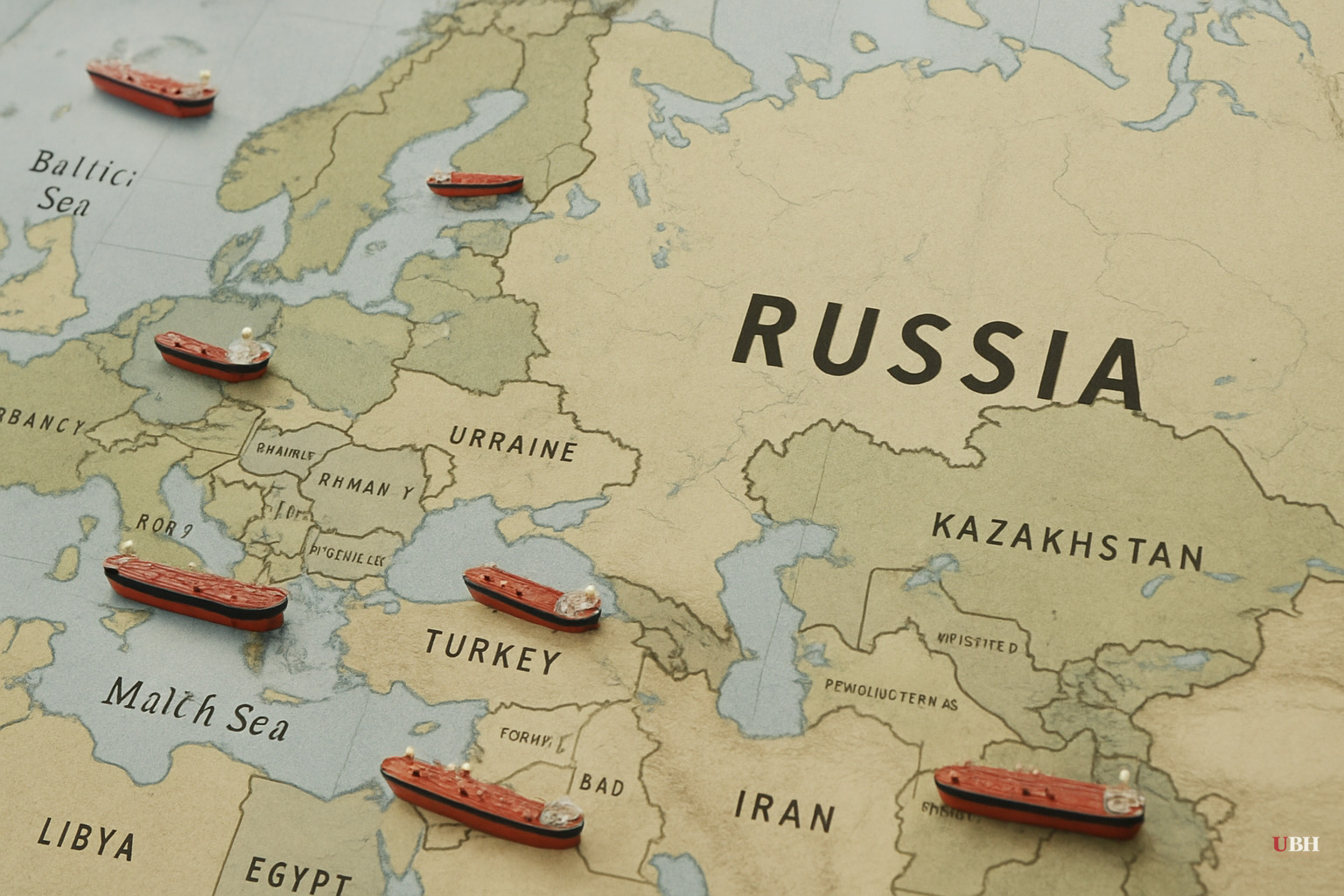
Russia's oil exports are climbing, but a large share of that crude isn't actually reaching buyers. According to a report from OilPrice.com, headlined "Russia's Oil Export Surge Runs Into a 135 Million-Barrel Traffic Jam," roughly 135 million barrels of Russian oil are sitting in floating storage — tankers idling at sea rather than delivering to refineries.
That's the core of the story: Moscow keeps loading vessels to keep its export numbers looking healthy, but the oil isn't moving through the system as fast as it's being loaded. The result, per the report, is a growing offshore stockpile that ties up ships, capital, and time.
What We Know — and What We Don't
Beyond the headline figure, the available reporting on this specific stockpile is thin. OilPrice.com's own front page, alongside this story, carries a separate item noting the IEA has cut its forecast for Russia's oil production because of Ukrainian attacks — a sign that Russia's oil sector is under pressure from multiple directions right now, though that is a distinct data point from the floating-storage figure itself.
We don't have sourced detail on exactly which sanctions mechanisms, buyers, or shipping routes are driving the 135 million-barrel buildup, and we're not going to invent them. What can be said plainly is that a stockpile of that size sitting on tankers instead of at refineries represents real friction in the way Russian crude currently moves to market: ships anchored offshore aren't earning their next charter, and oil that hasn't unloaded hasn't converted to cash.
What Happens Next
The open question — one the available reporting doesn't yet answer — is whether this backlog keeps growing, forces steeper discounts to move the oil, or gets worked down as buyers and shippers adjust. What's clear from the reporting so far is simply this: Russia is still loading tankers, and a substantial volume of that oil is currently going nowhere. A 135 million-barrel stockpile sitting offshore is the receipt for that mismatch, even if the full mechanics behind it aren't spelled out yet.
Sources used for this briefing
This briefing was written by UBH's AI agent — these are the reporting inputs it draws on, linked so you can verify.


