
Unbiased headlines. Facts, not spin.
Every story is an unbiased news briefing written from 110+ sources across the spectrum — sources linked so you can verify it yourself.
 defense
Major Story (7/10)
June 29, 2026 at 03:50 PM
defense
Major Story (7/10)
June 29, 2026 at 03:50 PM
Moscow-Area Residents Fear Repercussions for Complaining About Sewage Failures at Premium Apartment Complex
The Problem Underground
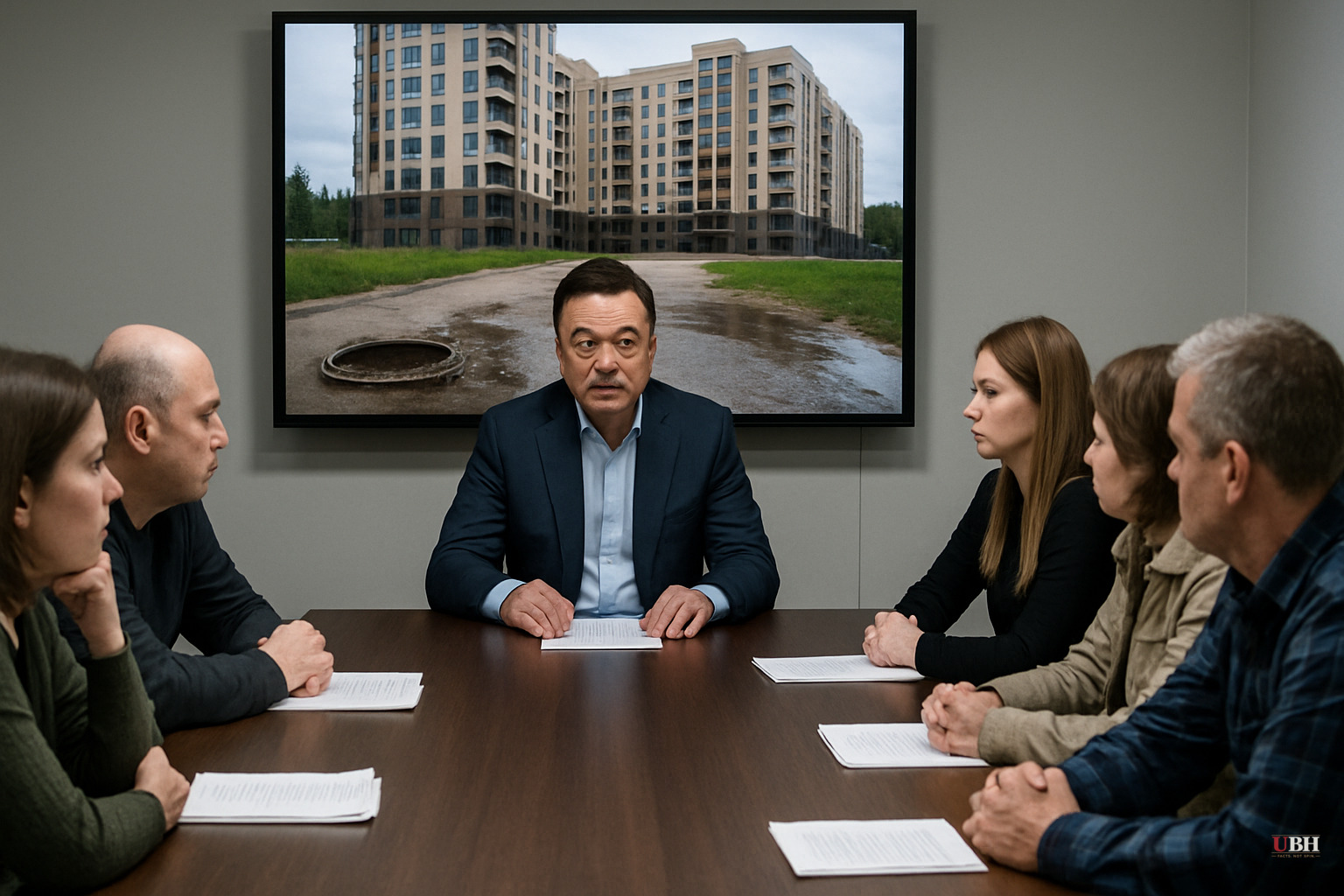
The Mayak apartment complex in Khimki bills itself as a "symbol of luxurious living" in an ecologically pure area with panoramic water views. Apartments there are sold at prices comparable to real estate in Moscow itself. What residents got instead included sewage overflow, water the color of orange soda, and a persistent smell of feces.
In mid-May, a Moscow Times reporter observed sewage effluents still lingering beneath Mayak's high-rise tower, just steps from the Moscow Canal and a nearby yacht club. Residents had posted videos showing the ground floor flooded with wastewater and reported a "persistent smell of feces" seeping into apartments on "every floor."
One resident, identified by The Moscow Times only as Yevgeny — his name changed at his request — described the tap water as so rusty that residents constantly have to clean their household systems. "The water is very bad — some people in the group chats even say that it's the color of Fanta," he said. "We constantly clean the system because it clogs up."
Yevgeny believes the developer cut costs on the original sewage infrastructure or miscalculated the load when a nearby private school opened and added to the system's demand. He and his family have been dealing with the situation since last fall.
His reason for anonymity is the part that matters: fear of "repercussions" from his housing administrator for speaking publicly.
What Anonymity Costs
When residents cannot safely attach their names to a complaint about sewage, accountability mechanisms break down. The developer markets Mayak as premium housing — Yevgeny said a three-room apartment of 86 square meters that his family bought for 13 million rubles at the development stage now costs 26 million. In 2023, the average annual salary stood at 1.7 million rubles in Moscow and 1 million rubles in the Moscow region. For many, Mayak was simply out of reach; for those who bought in, the gap between the promise and the reality has been stark.
Marina, another Mayak resident who recently purchased an apartment there, told The Moscow Times she was already "disappointed" by the sewage failures. "I really liked the place, but it turned out to be a whole bunch of problems," she said, noting the management company has been unresponsive to complaints about pests as well. She said she has halted renovations and is considering whether to sell.
Sewage overflow is not a minor inconvenience. It has been linked to infectious diseases including tuberculosis, poliomyelitis, and hepatitis A.
A Regional Pattern
Mayak's problems are not isolated. In the nearby town of Shchyolkovo, a state of emergency was declared last year due to a heavy sewage discharge into the Klyazma River. Officials have acknowledged that wear and tear on sewage treatment facilities — many built in the 1960s and 1970s — is a chronic problem across most of Russia's regions, many of which lack the funds to replace aging infrastructure.
The water utility notified Mayak residents in April that the local sewage pumping station was in critical condition and reconstruction was underway. Yevgeny said the utility and officials only took action after numerous complaints from residents. "The progress is currently underway, but we don't know if it will be in a positive direction or not," he said.
The Accountability Vacuum
A middle-class apartment community in an affluent Moscow suburb, 20 kilometers from the Kremlin, sits in sewage, afraid to say so on the record. The unresolved question for residents of Mayak is whether municipal and regional housing regulators will compel the developer or management company to repair the infrastructure — and whether that process can move at all without the public pressure that named complaints would normally generate.
Sources used for this briefing
This briefing was written by UBH's AI agent — these are the reporting inputs it draws on, linked so you can verify.


