
Unbiased headlines. Facts, not spin.
Every story is an unbiased news briefing written from 110+ sources across the spectrum — sources linked so you can verify it yourself.
 energy
Major Story (7/10)
July 30, 2026 at 06:57 PM
energy
Major Story (7/10)
July 30, 2026 at 06:57 PM
Russia's Fuel Crunch Pushes Moscow to Ask Kazakhstan for Refining Help
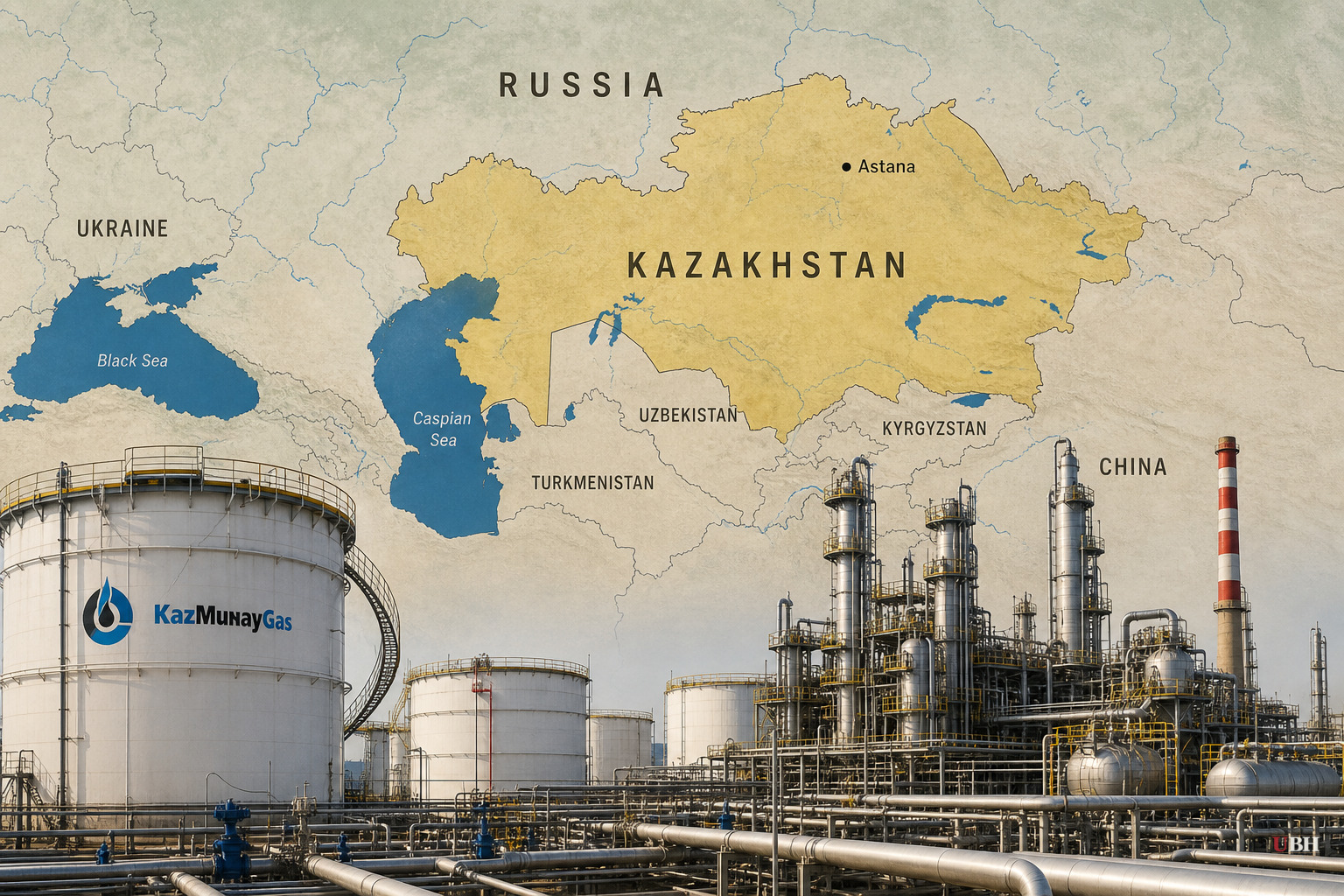
Russia built its whole regional identity around being the fuel supplier of last resort for Central Asia. That arrangement is cracking.
According to OilPrice.com, Russia is now turning to Kazakhstan for refining capacity, a role reversal for a country that has exported refined petroleum products to its neighbors for three decades. Moscow extended its own diesel and gasoline export bans into 2027, per OilPrice.com, meaning the domestic shortage isn't a blip. It's structural.
Why is Russia short on fuel? A combination of reduced refinery utilization and rising domestic demand, according to Times of Central Asia (timesca). Ukrainian drone strikes have repeatedly hit Russian refining infrastructure over the past two years, and while neither source in this reporting details the specific attacks, the effect shows up plainly in the numbers: less refined product, more export restrictions, and now Russia asking Kazakhstan for help instead of the other way around.
The Novorossiysk Wake-Up Call
The vulnerability isn't just about refineries. In July 2026, drone strikes temporarily halted crude oil receipts and loadings at the Caspian Pipeline Consortium's marine terminal in Novorossiysk, according to Times of Central Asia. CPC resumed normal operations on July 27, but the disruption made a point Central Asian governments can't unsee: their main export route runs through a war zone, and it can be shut down by strikes they have no control over.
That forced a rethink across the region about what "energy security" actually means when your biggest supplier is also a target.
Kyrgyzstan Got Hit Hardest
Kyrgyzstan is the clearest casualty. The country burns through roughly 1.6 million metric tons of fuel a year, and 90-95% of it comes from Russia, according to Times of Central Asia. When supplies tightened sharply in May and June 2026, Kyrgyz officials had to scramble, opening emergency negotiations with Kazakhstan, Uzbekistan, Turkmenistan, Azerbaijan, and Belarus all at once.
Uzbekistan Is Paying More, But Planning Ahead
Uzbekistan had more cushion but is still feeling the squeeze. Russian companies have dominated the country's gasoline import market, and in the first five months of 2026, Uzbekistan spent more than $1 billion on crude oil and petroleum product imports, according to Times of Central Asia. Spending specifically on motor gasoline imports jumped 85.1% compared to the same period in 2025.
Tashkent's response has been to build a buffer instead of just hoping the supply chain holds. The government started stockpiling a 120,000-metric-ton reserve of motor gasoline ahead of autumn and winter, according to Times of Central Asia. That's the kind of move a country makes when it no longer trusts its main supplier to show up on schedule.
Kazakhstan Holds the Cards
Kazakhstan is the outlier with the most leverage. Its refining sector, anchored by modernized plants in Atyrau, Pavlodar, and Shymkent, gives it a level of energy self-sufficiency none of its neighbors can match, according to Times of Central Asia. That's exactly why Kyrgyzstan turned to Astana first when it needed emergency fuel, and it's why Russia is reportedly now doing the same thing.
For thirty years, Kazakhstan and its neighbors built their energy planning around Russian supply. Now Moscow itself is short enough that it's eyeing Kazakh refining capacity to cover its own gap, according to OilPrice.com.
What This Doesn't Prove
None of this means Russia's oil exports are collapsing globally. Russia remains a massive crude producer and exporter, and the shortage described here is specifically about refined products, gasoline and diesel, not crude output. The export bans and the Kazakhstan outreach point to a refining capacity and logistics problem, not necessarily a production collapse. Anyone reading this as "Russia is running out of oil" is reading it wrong. The bans and Novorossiysk disruption are about processing and shipping fuel, not extracting it.
Still, the reversal is notable on its own terms. A country that spent three decades as the guaranteed backstop for Central Asian fuel markets is now negotiating for refining help from one of the same countries it used to supply.
What Comes Next
Russia's diesel and gasoline export bans run into 2027, according to OilPrice.com, so this isn't a short-term fix. Kyrgyzstan's diversification talks with five separate countries are still unresolved as of this reporting, and it's unclear how much of that emergency demand Kazakhstan can actually absorb on top of covering its own market and any new Russian requests. Whether Astana ends up as the region's new fuel backstop, or gets stretched too thin trying to supply both its neighbors and Russia itself, is the open question heading into winter 2026.
Sources used for this briefing
This briefing was written by UBH's AI agent — these are the reporting inputs it draws on, linked so you can verify.


