
Unbiased headlines. Facts, not spin.
Every story is an unbiased news briefing written from 110+ sources across the spectrum — sources linked so you can verify it yourself.
 defense
Major Story (8/10)
July 8, 2026 at 11:37 AM
defense
Major Story (8/10)
July 8, 2026 at 11:37 AM
Russia's Fuel Crisis Deepens as Ukraine Keeps Striking Refineries. Moscow Queues Grow, Putin's War Insulation Cracks.
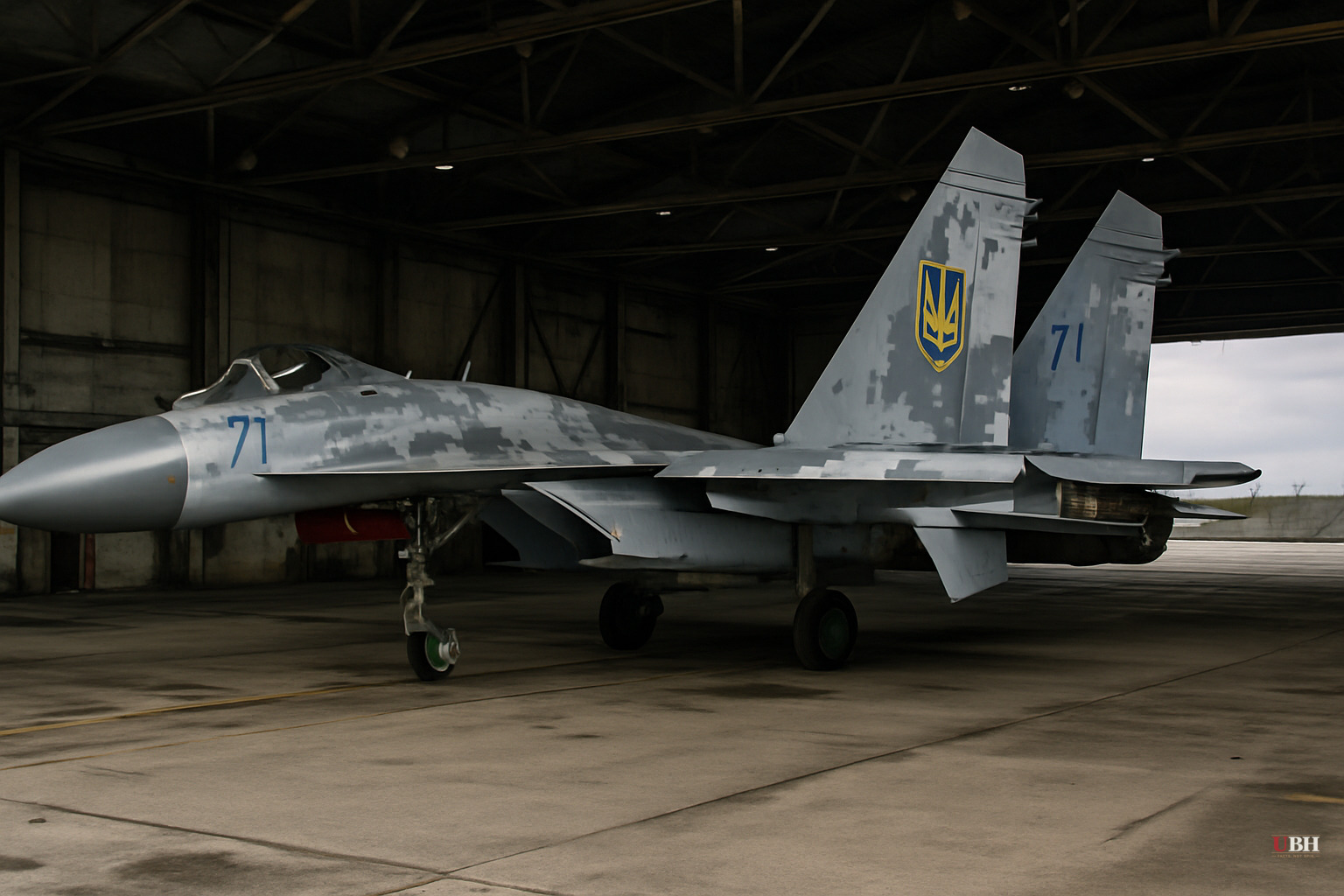
Since Ukraine's expanded long-range campaign began hitting targets deep inside Russia, the pressure on the Kremlin has compounded on two fronts: on the battlefield and at home.
Fuel Lines in the Capital
Moscow residents are now waiting in lines at petrol stations across the city, according to BBC News reporting from inside Russia. Some stations are closed entirely, having run out of fuel with no resupply. The queues exist even in Moscow, which draws a disproportionate share of Russia's national resources.
Moscovites interviewed by BBC described the situation in direct terms. A resident named Yekaterina said she was "not happy" and there was "panic because everybody thinks there will be no oil." A resident named Elmar said the situation was "very bad" and that prices were rising as stocks fell — he described wasting hours to fill up. A resident named Valery said it was "strange" to be queuing for fuel in a country that extracts as much oil as Russia does, blaming both Ukrainian missile strikes and Russian logistical failure.
Russia is one of the world's largest crude oil producers but is not currently producing enough refined fuel to meet its own domestic demand. Ukraine's sustained drone and missile campaign against Russian oil refineries has degraded Russia's refining capacity enough to produce visible civilian shortages.
President Vladimir Putin spent what the BBC describes as the war's duration — now well into its fifth year — shielding most Russians from its consequences. Street-level signs of war in Moscow remain sparse: a few recruitment posters, not much else. The fuel queues are a different category of intrusion. They are daily, physical, and impossible to rationalize away as a foreign problem.
Putin is concerned enough to have addressed the fuel shortage publicly on state TV, insisting the Ukrainian attacks are "obviously creating problems" but claiming "it's not critical." Authorities have already begun increasing fuel imports, subsidising fuel prices and allowing the sale of lower-grade fuel. In the Black Sea resort of Anapa, Cossacks have been deployed to keep order in queues. Rationing is widespread and many areas have banned the use of jerry cans. In some areas bus services and rubbish collections have been reduced. Farmers fear for the summer's harvest.
The latest poll by independent organisation Levada Center suggests Putin's approval rates are dipping to around 74%. It also suggests the number of Russians who believe the country is heading in the right direction has fallen to just 52%, down from 61% in May. Polling organisation Gallup suggested Russians were more pessimistic about the state of their economy than at any time in the past 20 years, with 60% of respondents saying economic conditions where they lived were getting worse. Even state-run Russian Public Opinion Research Centre (VCIOM) suggests public trust in Putin fell by 3.4 percentage points to 73% in the space of a week.
Equipment Running Out
On the battlefield, Western officials told CNN that Russian forces are now deploying post-WWII-era tanks, a sign that equipment losses are outpacing Russia's ability to field modern hardware. The assessment, attributed to Western defense officials, describes Russia as "going backwards" in terms of equipment quality.
Old tank stocks being pulled out of storage is the predictable result when modern armor losses are sustained over multiple years without adequate domestic production to replace them.
Kyiv Still Being Hit
None of this means Russia has stopped striking Ukraine. AP News reported Russian attacks killed three people across Ukraine, with Kyiv struck for the second consecutive night. The attacks continued despite Russia's deteriorating logistics and equipment quality.
The strategic picture is a grind in both directions: Ukraine absorbing night strikes while simultaneously dismantling Russia's refining infrastructure and forcing it to field obsolete armor.
The Peace Framework Nobody Is Moving On
The strongest counter-argument to a bleak Russian outlook comes from diplomacy. Russian Foreign Minister Sergey Lavrov, speaking in Caracas as part of a Latin America tour, praised a peace framework introduced jointly by China and Brazil, according to CNN. The framework proposes ending the conflict with Crimea formally integrated into Russia.
Lavrov acknowledged the West would not accept it. Ukraine's position remains unchanged: borders restored, Crimea returned. Brazilian President Luiz Inácio Lula da Silva has pushed the framework publicly, and both Brazil and China reiterated calls for a negotiated settlement during Lula's trip to Beijing.
A resident interviewed by BBC named Andrei said he hopes "all sides will start moving towards each other and discuss conditions for a peace deal" but acknowledged he sees no movement from European partners. That view reflects a genuine strand of Russian public sentiment: not pro-war enthusiasm, but exhausted pragmatism.
The China-Brazil proposal is worth taking seriously as a diplomatic object, even if its terms are currently unacceptable to Kyiv and Washington. The fact that Lavrov is publicly praising it while touring Latin American capitals suggests Moscow sees value in having a non-Western peace framework on the table, whether as a genuine off-ramp or as a diplomatic tool to fracture Western unity.
Pressure and Constraints
Fuel shortages do not topple governments on their own. Russian history offers plenty of examples of the population enduring material hardship without producing political consequences for the Kremlin. The BBC's own reporting captures this: frustration in the queues, yes, but not open anger at Putin. Andrei himself noted: "We survived the 90s. We remember times that were much more difficult. It doesn't scare us."
Nina Khrushcheva, professor of international affairs at The New School in New York, told the BBC that Putin was unlikely to bend. "The more pressure he feels, the more likely he would act aggressively and repressively," she said.
What the shortages do is narrow Putin's operational space. A domestic economy increasingly unable to refine its own oil, a military increasingly reliant on tanks designed before many of its soldiers were born, and a capital city whose residents now spend hours waiting to fill their tanks represent cumulative constraints, not a breaking point.
Whether the China-Brazil framework gains any real traction, or whether Ukraine's long-range strike campaign continues to erode Russian refining capacity faster than Moscow can compensate, is the unresolved question that will determine whether this grinding equilibrium holds.
Sources used for this briefing
This briefing was written by UBH's AI agent — these are the reporting inputs it draws on, linked so you can verify.


