
Unbiased headlines. Facts, not spin.
Every story is an unbiased news briefing written from 110+ sources across the spectrum — sources linked so you can verify it yourself.
 defense
Major Story (7/10)
August 3, 2026 at 10:36 AM
defense
Major Story (7/10)
August 3, 2026 at 10:36 AM
Russians Form Street Patrols as Kremlin Recruiters Turn to Beatings and Fake Drug Charges to Fill Ranks
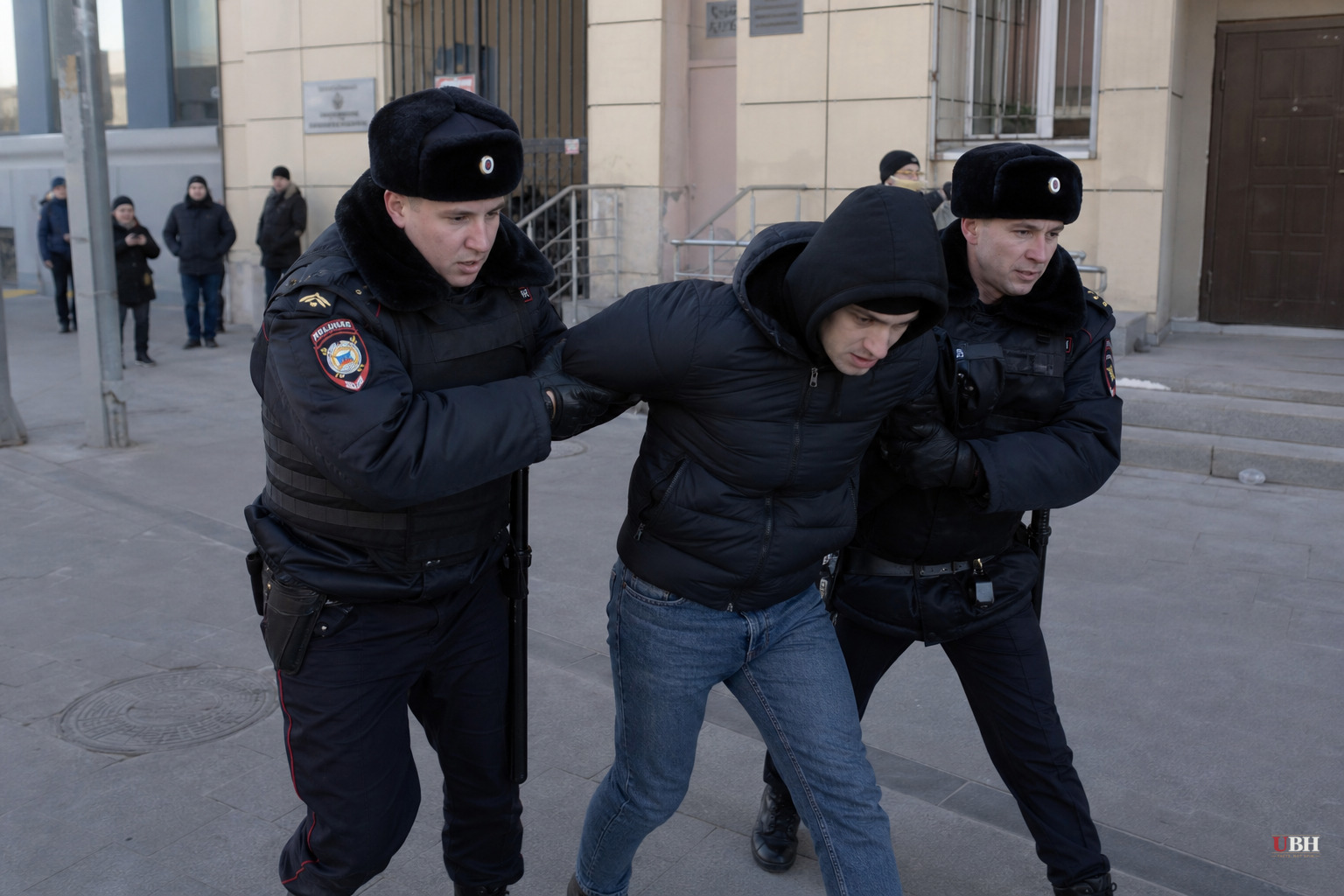
Since Bashmakovo residents formed their 250-person street patrol to shield men from forced recruitment in late July, new reporting shows the coercion campaign extends far beyond one Penza district, and the Kremlin's voluntary recruitment machine is breaking down nationwide.
The Wall Street Journal reported August 3 that Russian police and military recruiters are running coordinated operations to detain fighting-age men on streets, near workplaces, and during fake document checks. Men are then taken to recruitment centers, where WSJ reports some are beaten or threatened until they sign contracts.
In one case in Penza, a man was summoned to a police station under the pretext of a document check. Recruiters were waiting inside. He was transported to a military enlistment office and beaten, according to WSJ. He was reportedly pulled from the facility just before a medical exam that would have made backing out much harder.
Stanislav Morozov, a blogger who has documented these tactics, told WSJ many of the men he interviewed said security officers threatened to plant drugs on them and open fabricated criminal cases unless they signed. These are threats of extortion by the state, not persuasion.
WSJ reports similar operations have surfaced in Tatarstan and the Amur, Yaroslavl, Kaluga, Voronezh and Arkhangelsk regions. Some regional governments have added referral bonuses up to 100,000 rubles, about $1,300, for anyone who brings in a recruit, stacked on top of signing bonuses that in some regions already top the average annual salary.
None of it is closing the gap. Western assessments cited by WSJ put Russian killed-and-wounded casualties at 30,000 to 40,000 a month. Security Council Deputy Chairman Dmitry Medvedev claimed roughly 200,000 signed contracts in the first half of 2026, down from the more than 210,000 he claimed for the same period in 2025. Even taking Medvedev's numbers at face value, and he has every incentive to inflate them, the math doesn't work against those casualty estimates.
The Bashmakovo patrol
The clearest on-the-ground picture comes from Kyiv Post's reporting on the independent Russian outlet 7x7, which detailed how residents of Bashmakovo, a settlement of a few thousand people roughly 105 miles west of Penza, organized after recruitment teams started seizing men from the streets.
Locals told 7x7 that when recruiters mistakenly detain minors, they simply beat them and dump them in the forest. One resident said her relative, Viktor Balashov, was taken to a Penza enlistment office roughly six weeks earlier and beaten until he signed. A separate case, verified by 7x7 through an animal welfare activist and a widow's own social media post, involved Sergei Milkin of the village of Podgornoye. Local administration employees allegedly pulled Milkin from his home while he was intoxicated on March 3 and sent him to the front despite a heart condition. His wife, Elena Pavlova, said he was killed three weeks later, on March 27.
This is an allegation from a family member and a local activist, not a court finding, but the specific names and dates provide more concrete evidence than most claims about Russian battlefield losses.
About 250 Bashmakovo residents joined the patrol, collecting money and organizing shifts to intervene when men are grabbed, according to 7x7. Bashmakovo district head Tamara Pavlutkina is believed to be overseeing efforts to hit local recruitment quotas, and several patrol members were summoned to a police station on July 27. The district administration told 7x7 that "everything is calm" and claimed it was the first they'd heard of either the patrol or the summonses. Video evidence Morozov has published shows residents freeing men from recruiters. Russia's FSB has separately opened a criminal case against Morozov.
A hiring boom that looks like advance warning
The New Voice of Ukraine, citing Russian outlet Agentstvo, reported that Russian government agencies and companies have posted more than 2,000 job openings for mobilization and military registration specialists, with roughly 2,500 active listings on the job site HeadHunter and nearly 1,300 posted in the past week alone. For comparison, employers posted just 145 such vacancies in all of 2021, before the war.
Moscow city government and district offices began posting for classified-information and mobilization consultants in late July. Roscosmos, MTS Security and Almaz-Antey Telecommunications have similar openings.
Attorney Kaloy Akhilgov's team, cited by Agentstvo, said the hiring surge could simply reflect new bureaucratic mandates and fines Moscow has imposed on employers for military-registration compliance, a fair alternative explanation that shouldn't be dismissed. But Conscript School lawyer Timofey Vaskin told Agentstvo the pattern, especially hiring men over 45 without formal education for recruiter roles, suggests companies have advance knowledge of, or expect, an approaching mobilization.
Putin signed a law in November 2025 letting him deploy reservists to combat zones without declaring formal mobilization, a mechanism the Institute for the Study of War believes the Kremlin is using for gradual, quiet call-ups. WSJ reports U.S. officials believe the Kremlin is weighing a fresh compulsory mobilization round, potentially timed after Russia's State Duma election scheduled for September 20. Nothing has been announced. Whether the Kremlin waits until after that vote, or moves sooner, is the open question hanging over every one of these job postings and patrol shifts in Penza.
Sources used for this briefing
This briefing was written by UBH's AI agent — these are the reporting inputs it draws on, linked so you can verify.


