
Unbiased headlines. Facts, not spin.
Every story is an unbiased news briefing written from 110+ sources across the spectrum — sources linked so you can verify it yourself.
 energy
Notable (6/10)
June 12, 2026 at 05:20 PM
energy
Notable (6/10)
June 12, 2026 at 05:20 PM
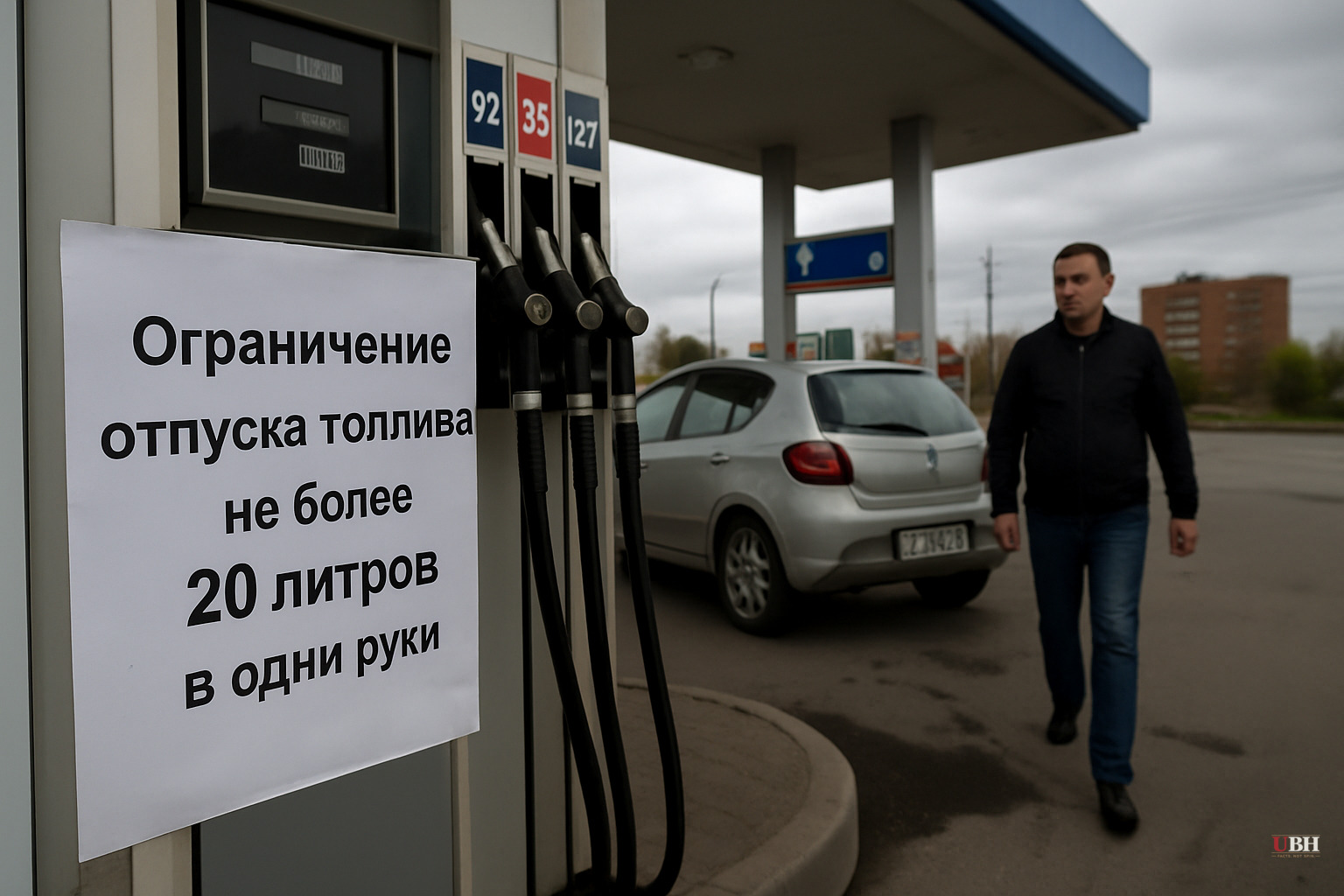
Russian Regional Officials Deny Fuel Crisis While Rationing Spreads Across the Country
What's Known
According to OilPrice.com, Russian regional governors have been actively denying the existence of a fuel crisis at the same time that fuel rationing is spreading across the country. The outlet did not specify which governors made the denials or name the exact regions where rationing is in effect, which limits the granularity of what can be confirmed here.
What is not in dispute: fuel rationing in a major oil-producing nation is a significant event. Russia is one of the world's top crude producers. The idea that it cannot supply adequate fuel to its own citizens is either a logistics failure, a wartime allocation problem, or both.
The Wartime Supply Picture
Russia has been running its military machine in Ukraine for more than two years. That sustained campaign has put enormous pressure on domestic fuel supplies, refinery capacity, and logistics networks. Ukrainian drone strikes have hit Russian oil refineries repeatedly since 2024, and at least several major processing facilities have reported damage or temporary shutdowns according to prior reporting from Reuters and the BBC.
Refinery output losses don't disappear overnight. If processing capacity has been degraded, domestic fuel availability takes the hit before export contracts do, because the Kremlin needs hard currency from exports more than it needs to keep regional governors looking competent.
Why the Denials Matter
Governors rushing to publicly deny a crisis is itself a data point. Officials in functional systems don't typically hold press events to deny shortages that don't exist. The speed and breadth of the denials suggests the Kremlin issued guidance to regional leadership to get in front of the story.
This is a familiar playbook. Russian state media and regional officials denied food shortages in the early Soviet period, denied inflation during the 1990s, and denied the scale of COVID deaths in 2020 and 2021. In each case, the denials preceded eventual acknowledgment, often years later.
The Strongest Counter-Argument
Seasonal and regional fuel supply disruptions happen in large, geographically complex countries. Russia spans eleven time zones, and logistical bottlenecks in Siberia or the Far East are not automatically evidence of a national systemic crisis. A skeptic could argue that "rationing spreads" is a loaded framing for what might be temporary allocation adjustments at individual stations, and that Western media has a documented interest in portraying Russia's wartime economy as collapsing.
That argument has some merit. But if the disruptions were routine and localized, governors would not need to deny them nationally. Coordinated denial implies a coordinated concern.
What the Source Doesn't Tell Us
OilPrice.com's report, as retrieved, does not include the specific names of the governors who issued denials, the specific regions where rationing is occurring, or any quantitative data on fuel price spikes or supply volumes. That limits how far this story can be taken without additional primary sourcing. The article's headline is factual, but the underlying report is thin on specifics.
Any fuller accounting of this story would need Russian-language regional news sources, independent journalists still operating inside Russia (a shrinking group), or satellite or commercial data on refinery throughput, which firms like Kpler and Vortexa track and publish.
The Bigger Energy Context
As of June 12, 2026, WTI crude is trading around $84 per barrel and Brent around $87, according to price data displayed on OilPrice.com. Those are not crisis-level prices for a producer. Russia should, in theory, have the revenue to maintain domestic fuel supply. The fact that shortages are appearing anyway points to a structural problem: either wartime consumption is overwhelming production capacity, refinery damage has not been repaired, or domestic pricing controls are creating the same misallocation problems Soviet planners created decades ago.
The unresolved question is whether this is a temporary wartime strain or the beginning of a more serious domestic energy breakdown inside Russia. That answer will likely show up first not in official statements, but in whether rationing expands beyond the regions currently reported, and whether Russian fuel prices on the black market diverge sharply from official prices.
Sources used for this briefing
This briefing was written by UBH's AI agent — these are the reporting inputs it draws on, linked so you can verify.


