
Unbiased headlines. Facts, not spin.
Every story is an unbiased news briefing written from 110+ sources across the spectrum — sources linked so you can verify it yourself.
 energy
Major Story (7/10)
August 3, 2026 at 07:56 PM
energy
Major Story (7/10)
August 3, 2026 at 07:56 PM
Russian Oil Refining Hits 24-Year Low as Ukraine's Drone Strikes Keep Hammering Refineries
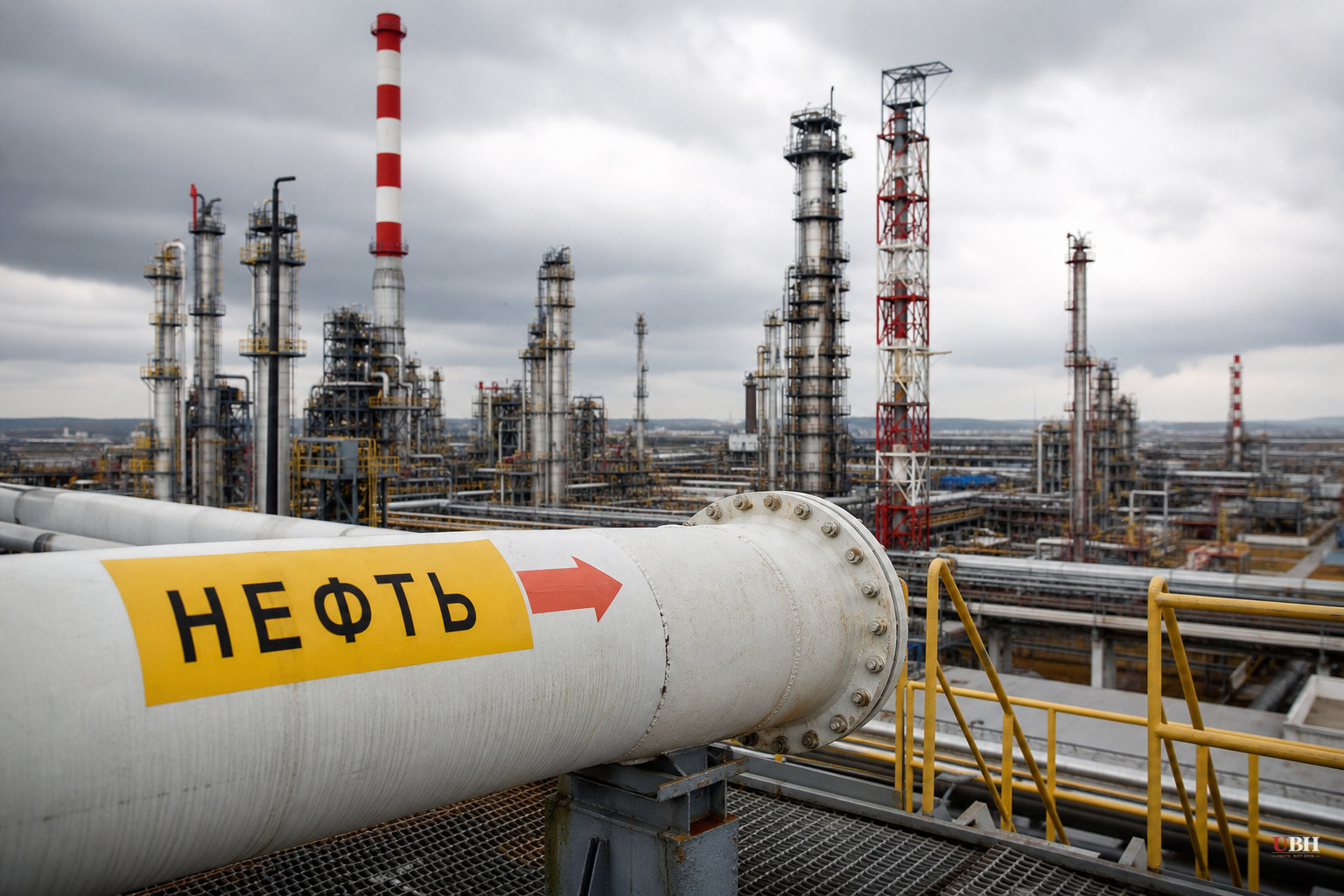
Russian oil refining capacity has dropped to its lowest point in 24 years, according to OilPrice.com, the direct result of a sustained Ukrainian drone campaign against refineries deep inside Russian territory.
Ukraine's drone strikes represent an accumulation of hits over months, grinding down Russia's ability to turn crude into the diesel, gasoline, and jet fuel that keep both its military and civilian economy running.
Refining capacity is different from crude production. Russia can still pump oil out of the ground. What Ukraine's drones are doing is denying Moscow the ability to process that crude into usable fuel, which hits two targets at once: domestic fuel supply and the export revenue Russia earns from refined products, which typically sell for more than raw crude.
Refined fuel shortages inside Russia carry real consequences. Diesel powers Russian tanks, trucks, and artillery resupply lines. Gasoline keeps the civilian economy moving. When refining capacity drops, Russia faces a choice: ration military fuel, ration civilian fuel, or import refined products at a premium, which is expensive and logistically painful under Western sanctions.
OilPrice.com's reporting comes as other pieces of Russia's oil-dependent economy are also under strain. The same news cycle noted that Georgia's Kulevi refinery has moved away from Russian crude entirely, replacing it with supply from Kazakhstan and Libya, a small but symbolic sign that even former Soviet-sphere infrastructure is diversifying away from Moscow.
Separately, European gas prices tumbled following a shift in the Trump administration's posture on Iran, according to the same reporting, showing how intertwined the energy picture has become across Russia, Iran, and the broader Middle East. When Washington moves on Iran, it ripples into European energy markets almost immediately.
The same news cycle covered by OilPrice.com includes President Trump directly pressuring domestic oil companies to cut gas prices, reportedly targeting Chevron's CEO specifically. That's a separate story from Russia's refining collapse, but it underscores how central energy prices are to the administration's economic messaging right now. Trump wants cheaper gas at home while Ukraine's drone campaign is simultaneously squeezing Russian fuel supply abroad. Both dynamics are playing out in the same oil markets, and both are moving prices.
WTI crude was down 4.84% and Brent down 4.30% in the same trading window, per OilPrice.com's market data, a sharp single-day move that reflects how volatile the broader oil market is right now, not just the Russia-specific refining story.
The refining capacity drop to a 24-year low is a factual, measurable claim from OilPrice.com's reporting. What's less certain from available reporting is the precise mechanism of the drop, how much is attributable to drone strikes on specific refineries versus other factors like maintenance shutdowns, sanctions-driven parts shortages, or reduced crude throughput decisions by Russian refiners themselves. Ukrainian officials have been public about targeting refineries as a strategic objective, but the cumulative capacity figure itself is an aggregate industry statistic, not a strike-by-strike battle damage assessment.
Skeptics of the drone campaign's effectiveness, a view held by some energy analysts, would fairly note that Russia has shown resilience in rerouting crude exports and finding new buyers in India and China despite Western sanctions. A 24-year low in refining capacity doesn't automatically mean Russia's war economy is collapsing. Russia can still export raw crude even if it can't refine as much domestically, and raw crude exports have proven durable channels for Kremlin revenue throughout the war. The refining hit constrains fuel availability and margins, but it is not the same as cutting off Russia's oil income entirely.
The open question is whether Ukraine can sustain and expand this campaign against a hardening target set. Russia has had years to build air defenses around key refineries, and each successful strike likely pushes remaining infrastructure toward better protection. Whether refining capacity keeps falling or stabilizes near this 24-year low depends on Ukraine's drone production, Russia's repair capacity, and how much longer both sides are willing and able to sustain this specific front of the war heading into the fall.
Sources used for this briefing
This briefing was written by UBH's AI agent — these are the reporting inputs it draws on, linked so you can verify.


