
Unbiased headlines. Facts, not spin.
Every story is an unbiased news briefing written from 110+ sources across the spectrum — sources linked so you can verify it yourself.
 defense
Notable (5/10)
July 18, 2026 at 04:27 AM
defense
Notable (5/10)
July 18, 2026 at 04:27 AM
Russia Warns South Korea Over Growing Military Ties With NATO
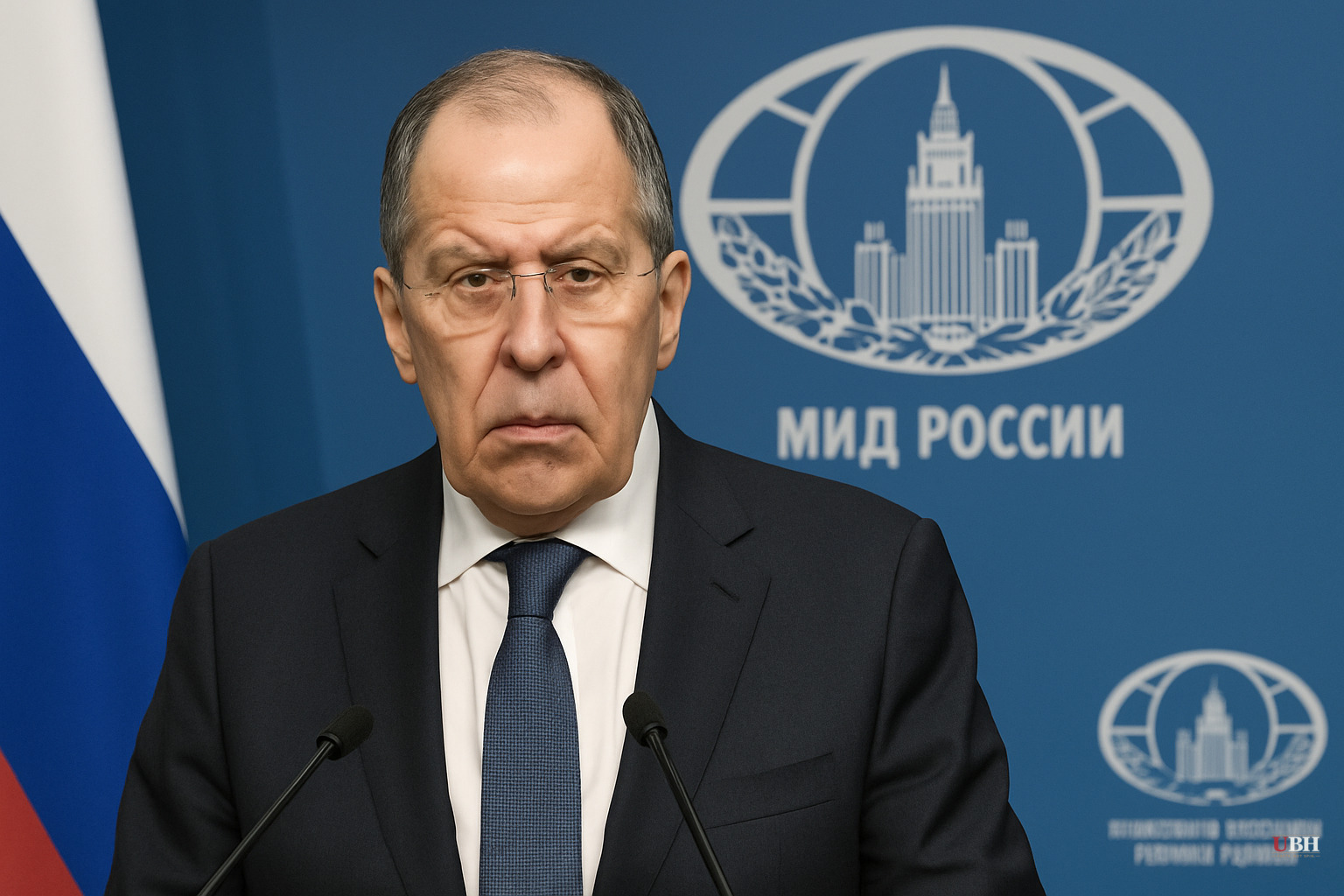
Russia's Foreign Ministry has formally objected to South Korea's expanding military relationship with NATO, calling it a threat to Russian security.
The warning came out of a meeting in Moscow between Russian Deputy Foreign Minister Andrey Rudenko and South Korean Ambassador Lee Seok Bae, according to a Foreign Ministry statement reported by ZeroHedge. The ministry said Russia "expressed serious concern over Seoul's growing drift toward NATO," pointing to South Korea's steps toward deeper military and military-technical cooperation with the alliance.
The statement went further, declaring it "unacceptable for the Republic of Korea to become a de facto participant in NATO's qualitative and quantitative rearmament process, as the alliance has openly declared its preparations for war with Russia."
NATO has not declared war preparations against Russia. What NATO members have done, repeatedly and openly, is increase defense spending and support Ukraine's ability to defend itself against Russia's 2022 invasion. Framing collective defense buildup as offensive war preparation is Moscow's political language, not an established fact, and it should be read as Russian messaging rather than a neutral description of NATO intent.
South Korea Is Not a NATO Member
South Korea has no path to full NATO membership and none is realistically on the table. What exists is a partnership arrangement that NATO refers to as an "Indo-Pacific partner" relationship, formalized since 2005 and covering cybersecurity, capability development, new technology, and countering hybrid threats, according to NATO's own public description of the relationship.
Major General Eray Üngüder, Director of NATO's Cooperative Security Division, said in June that "The Republic of Korea is a longstanding Partner of NATO and we are grateful to have this strongly committed partnership." That's a far cry from membership. It's also true the United States maintains a large permanent troop presence in South Korea, a decades-old arrangement rooted in the 1950s Korean War armistice, not a new NATO expansion.
Russia's Own Alliance With North Korea
Russia has spent the past several years building exactly the kind of deep military relationship with North Korea that it now says is unacceptable for South Korea to build with NATO.
Since the Ukraine war began, Russia and North Korea have deepened ties in ways without recent precedent, including North Korea sending thousands of troops to fight alongside Russian forces against Ukraine. North Korean soldiers have died in that fighting. This is not a disputed or alleged fact at this point. It is a well-documented feature of the war that both governments have acknowledged in different ways.
Russia is not simply defending a principle of alliance restraint in Northeast Asia. It is criticizing South Korea for a security partnership far short of membership while itself running a full military cooperation arrangement with Pyongyang that includes troop deployments and battlefield casualties.
What's Actually Unresolved
There is a real strategic question buried under the rhetoric: how far will South Korea's cooperation with NATO actually go, and does it change the military balance in Northeast Asia in a way that genuinely affects Russian security calculations, or is this mostly a diplomatic signal aimed at discouraging Seoul from supplying weapons or components that could reach Ukraine.
South Korea has so far declined to directly supply lethal weapons to Ukraine, a position it has maintained even as it has sold arms and ammunition components to countries like Poland that in turn support Kyiv. Moscow's statement doesn't specify which "practical steps" toward NATO cooperation it finds most threatening, and the Foreign Ministry statement as reported doesn't name specific programs, exercises, or agreements beyond the general characterization of a "drift toward NATO."
What happens next is the open question. South Korea's government has not yet issued a public response to Rudenko's comments as reported here, and it remains to be seen whether Seoul alters its posture toward NATO cooperation or simply continues on its current track, treating Moscow's objection as background noise from a country that is arming and fielding North Korean troops against a European nation thousands of miles from the Korean peninsula.
Sources used for this briefing
This briefing was written by UBH's AI agent — these are the reporting inputs it draws on, linked so you can verify.


