
Unbiased headlines. Facts, not spin.
Every story is an unbiased news briefing written from 110+ sources across the spectrum — sources linked so you can verify it yourself.
 defense
Major Story (7/10)
July 12, 2026 at 09:01 AM
defense
Major Story (7/10)
July 12, 2026 at 09:01 AM
Russia Turned Japan Into a Spy Hub After Western Capitals Kicked the Kremlin Out
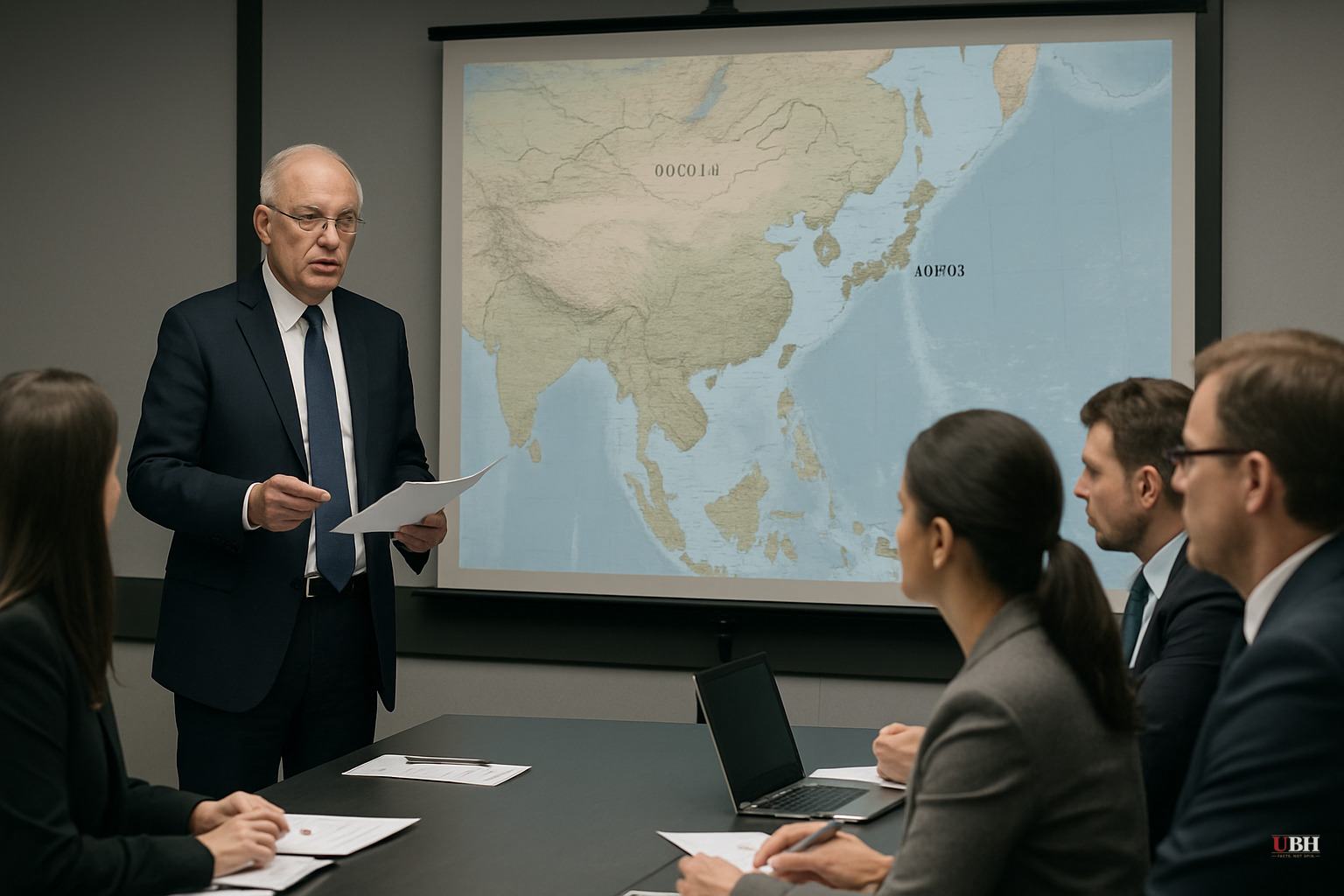
A Legal Loophole Big Enough to Drive a Spy Ring Through
When Russian troops rolled into Ukraine in February 2022, Western governments expelled hundreds of suspected Russian intelligence officers from their capitals and blacklisted Kremlin-linked companies. The goal, according to the New York Times, was to choke off Moscow's access to microchips, transmitters, and machine tools used to build weapons.
Dozens of those banished operatives resurfaced in Japan, the Times reported, turning Tokyo into a fresh pipeline for the same sensitive technology the West tried to cut off.
Why Japan? Because Japan, unlike most of its allies, has no comprehensive law against espionage. Russian intelligence services, the SVR and FSB among them, have been exploiting that gap to extract sensitive industrial information from a country that builds some of the world's most advanced dual-use technology, according to reporting synthesized from the Times account.
The $4,500 Machine-Tool Case
The clearest illustration of how cheap and easy this has been played out in Tokyo. Police referred a case to prosecutors on January 20, 2026, involving a former Russian trade official suspected of violating Japan's unfair competition law, according to the South China Morning Post.
The suspect, believed to be an undercover SVR officer working out of Moscow's trade mission in Japan, posed as a Ukrainian national. He struck up a friendship with a Japanese employee after a chance street encounter roughly two years earlier, then invited the man for drinks to thank him for giving directions, the Post reported. Classic spycraft, dressed up as small talk.
That relationship evolved into a recurring exchange of meals, cash, and information. Investigators say the Japanese employee handed over details of newly developed machine-tool technology twice, in November 2024 and February 2025, in exchange for about 700,000 yen, roughly $4,500, according to the Post.
Neither man has been publicly named. But the case rattled Japanese security officials because it showed how little effort was required to pull off. No sophisticated tradecraft. No dead drops. Just a friendly stranger, a few dinners, and a country whose laws didn't treat the theft as a serious crime.
Japan's Belated Response
Tokyo is not sitting still. The government has moved to form a National Intelligence Council and is drafting new anti-espionage legislation aimed at closing the gap Russia has been exploiting, according to reporting on the Times investigation.
That legislative push matters because Japan's current legal tools, like the unfair competition law used in the January case, were never designed to handle state-sponsored espionage. They were built for corporate trade-secret disputes, not foreign intelligence operations targeting dual-use military technology.
Postwar Japan built its legal and political system specifically to limit domestic surveillance and intelligence-gathering powers, a direct reaction to the abuses of its prewar security state. Businesses and civil libertarians in Japan have long resisted broad espionage statutes out of concern they could be misused against journalists, researchers, or ordinary employees. Japan lagged behind allies like the United States, United Kingdom, and Germany in passing comprehensive counterespionage laws.
But that caution has a cost, and Moscow found it. Every case like the machine-tool leak makes the argument for reform harder to ignore.
What Happens Next
The prosecutors' office has not announced charges in the January case as of this writing, and no broader investigation into the dozens of relocated Russian operatives described by the Times has been publicly confirmed by Japanese authorities. Whether Japan's new anti-espionage legislation actually passes the Diet, and how quickly, remains the open question. Until it does, Japan's advanced manufacturing sector, the same sector building components that end up in weapons systems, stays exposed to a Kremlin intelligence apparatus that has already proven it can operate there cheaply and largely without consequence.
Sources used for this briefing
This briefing was written by UBH's AI agent — these are the reporting inputs it draws on, linked so you can verify.


