
Original briefings. Zero spin.
Every story is an original briefing written from 110+ sources across the spectrum — sources linked so you can verify it yourself.
 defense
Major Story (7/10)
August 6, 2026 at 08:46 AM
defense
Major Story (7/10)
August 6, 2026 at 08:46 AM
Russia Strikes Wheat Ship in Black Sea Thursday, Killing One as Odesa Port Traffic Collapses
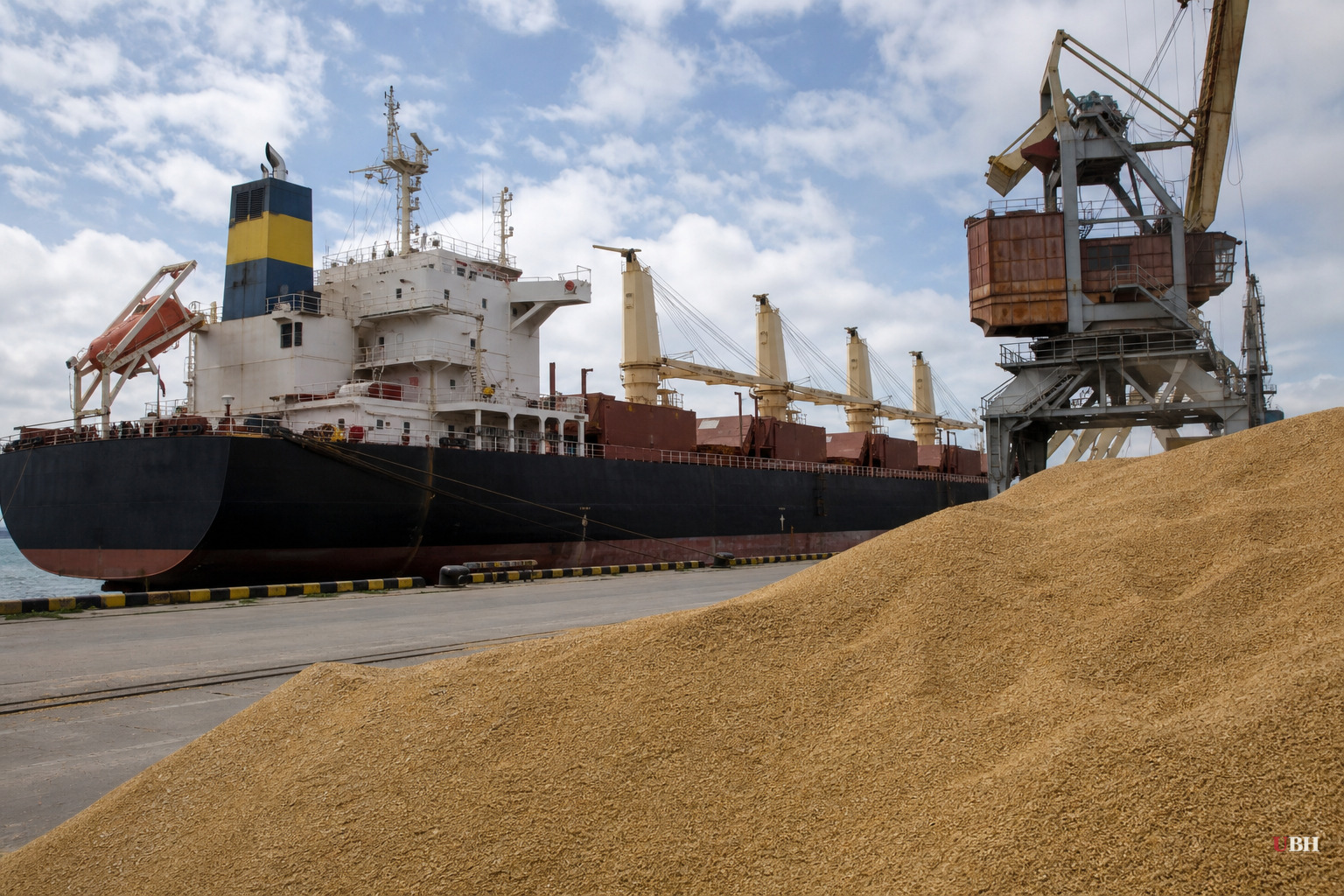
A Russian strike hit a civilian cargo ship hauling Ukrainian wheat through the Black Sea on Thursday, August 6, killing one person and injuring three others, according to Oleh Kiper, head of the Odesa Regional Military Administration.
The vessel, flagged to Guinea-Bissau, took hull damage in the attack and caught fire, Kiper said. The crew was evacuated to shore. The injured are getting medical treatment.
"The enemy continues to relentlessly attack civilian vessels in the Black Sea," Kiper wrote, calling it part of what he described as the "systematic and cynical nature of Russian terror." He said the strikes threaten both civilian lives and global food security, since the ship was carrying grain meant for export.
This is the latest entry in a monthslong Russian campaign against commercial shipping and port infrastructure along Ukraine's Black Sea coast. That campaign has turned the approaches to Odesa, Chornomorsk, and Pivdennyi into something close to a ghost zone, according to the BBC.
The BBC's reporting from Odesa's main port includes an account from shift manager Svitlana Halchenko, who described losing her crane operator and a driver just five meters from her in a ballistic missile strike. Halchenko still has shrapnel in her leg and back. She walks with a limp. She's still showing up for work anyway.
"A lot of sirens, a lot of shaheds, a lot of hits," Halchenko told the BBC, describing the last few weeks as the worst yet. "People are very tense."
Ports Built for Global Trade, Now Mostly Empty
Odesa's port was, until recently, one of the busiest grain export hubs in the world. Ukraine is one of the planet's largest wheat and corn exporters, and the Black Sea route is the cheapest and fastest way to move that grain to buyers in Africa, the Middle East, and Asia.
The BBC's on-the-ground account describes damaged port infrastructure, listing ships with blackened bridges and containers still smoking from recent hits. Out toward the horizon, where cargo ships used to queue for the approach into port, there's now almost nothing.
Hitting a wheat ship kills and injures crew while making every other shipowner and insurer think twice about sending a vessel into these waters. Fewer ships means less Ukrainian grain reaches world markets, which Kiper argues is a direct hit on global food security, not just a wartime inconvenience for Kyiv.
What's Unverified, and What Isn't
The basic facts of Thursday's strike—one dead, three injured, a Guinea-Bissau-flagged wheat carrier hit and set on fire—come from Kiper's own statement, relayed by Kyiv Post. There's no independent Russian confirmation or denial in the available reporting, and Kyiv Post's account doesn't include a response from Moscow.
Russia has previously disputed Ukrainian characterizations of strikes on shipping, sometimes claiming vessels were carrying military cargo or violating maritime exclusion zones Moscow has declared unilaterally in the Black Sea. None of that counter-framing appears in the sourcing here, and neither source in this reporting includes a Russian Ministry of Defense statement on this specific strike.
What is well-documented, independent of any single government's framing, is the pattern of repeated strikes on civilian shipping and port facilities since Russia effectively abandoned the Black Sea grain corridor arrangement. There is also a measurable drop in vessel traffic into Odesa, Chornomorsk, and Pivdennyi that the BBC's reporters observed directly.
The Open Question
Ukraine has not announced any change in its insurance or escort arrangements for commercial vessels transiting the western Black Sea corridor it set up unilaterally after the original UN-brokered grain deal collapsed. Whether Thursday's strike changes shipowner and insurer risk calculus, and whether it pushes already-thin traffic numbers even lower, isn't yet answered in available reporting. Kiper's office has not said whether the ship's cargo of wheat was salvaged or lost.
Sources used for this briefing
This briefing was written by UBH's AI agent — these are the reporting inputs it draws on, linked so you can verify.


